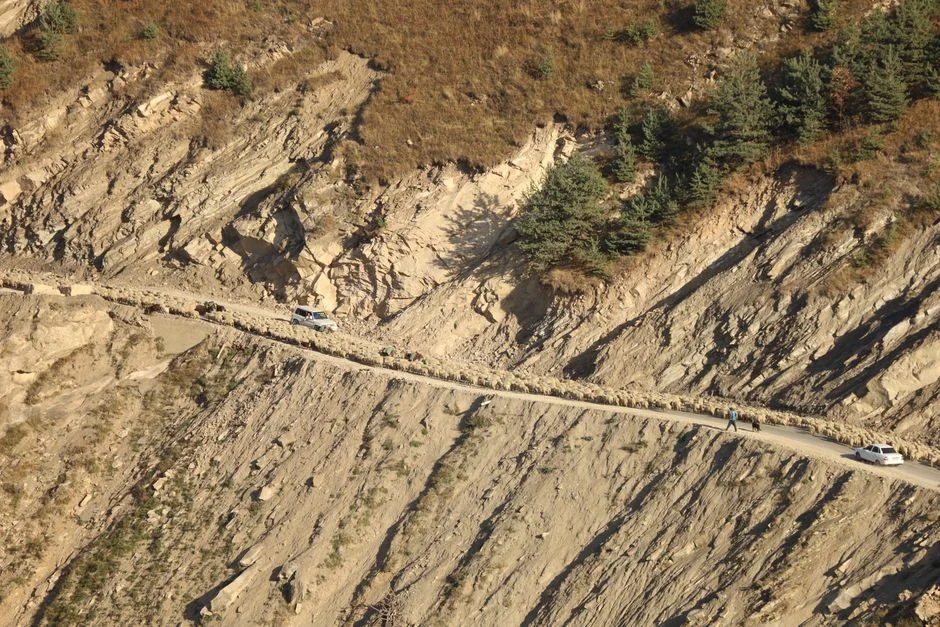
A Cheetah helicopter carrying a Major General and three Indian Army officers made a dramatic landing in the Tangste region of Ladakh after mechanical issues forced an unscheduled stop. The incident, which unfolded in the high-altitude terrain, left the four survivors shaken but physically intact. The event has quickly captured public attention, not just for the survival of the senior officer, but for a selfie taken by the Major General shortly after stepping off the chopper.
The Incident at Tangste Airfield
The helicopter was en route to a patrol area when it encountered technical difficulties. The pilot made the decision to land at Tangste, a strategic airfield located in the Leh district of Ladakh. This location is well-equipped to handle emergency landings, which played a key role in the safe arrival of the aircraft. The Cheetah model, known for its agility in mountainous regions, is a staple of the Indian Air Force’s transport fleet in the northern frontier.
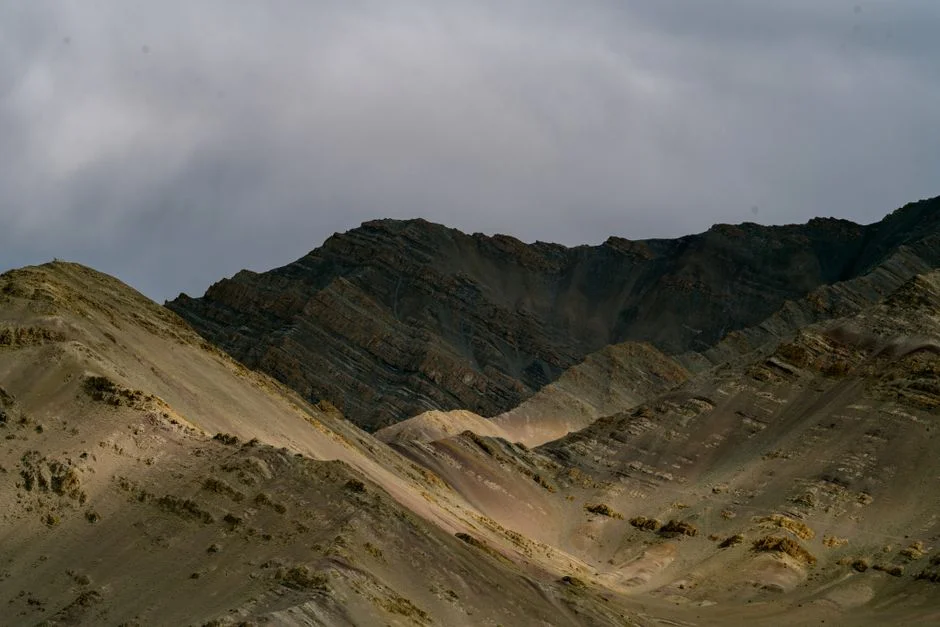
Witnesses reported seeing the chopper descend with relative calm despite the urgency of the situation. The landing gear held firm, and the engine sputtered to a halt without a catastrophic failure. No fire broke out, and the crew evacuated quickly. This swift response prevented what could have been a more serious accident given the remote nature of the terrain. The immediate aftermath saw medical teams rush to the site to assess the condition of the four officers.
Survival and Initial Medical Assessment
Three Indian Army officers, including the Major General, were pulled from the cockpit within minutes of the landing. Medical personnel conducted on-site checks before transporting them to the nearby military hospital in Leh. All four were declared fit to be discharged after initial observations. This outcome is a relief to their families and the military command, which often faces the risk of high-altitude aviation accidents. The resilience of the crew and the efficiency of the ground staff contributed significantly to this positive result.
The physical condition of the officers has been described as stable. There were no major fractures or concussions reported in the initial medical bulletin. The Major General, who was leading the inspection tour, appeared composed during the evacuation. His demeanor helped calm the junior officers and the ground crew who were anxious about the outcome. This incident highlights the rigorous training that Indian Army aviation personnel undergo for such emergencies.
Public Reaction to the Selfie
A photograph of the Major General taking a selfie with his team after the incident has gone viral on social media. The image shows the officers smiling, seemingly relieved and unbothered by the scare. This visual has sparked a wide range of reactions from the public. Some citizens view it as a sign of resilience and good spirits, while others question the timing of the photo op. The debate reflects broader conversations about military transparency and public perception in the digital age.
Critics argue that the selfie might appear casual given the seriousness of the event. Supporters counter that the photo captures a moment of genuine relief and camaraderie. The Major General has not yet issued a formal statement explaining his decision to take the picture. However, the image has undoubtedly put a human face on what could have been a dry administrative report. This visual element has made the story more relatable to the average citizen in India.
Impact on Local Communities in Ladakh
The incident has directly affected the daily life of communities in the Leh district. Roads leading to Tangste were temporarily closed to allow emergency vehicles to reach the landing site. This caused minor traffic disruptions for local residents and commuters. In a region where transportation infrastructure is already stretched, any delay can have a ripple effect on local commerce and school runs. The local administration worked quickly to clear the routes, minimizing the inconvenience for the public.
Local businesses near the airfield saw a brief surge in activity as news crews and onlookers gathered. Small tea stalls and shops reported increased sales during the hour-long disruption. However, the primary concern for residents was the safety of the airspace. The presence of a high-ranking officer in the crash zone drew significant attention, reminding locals of the constant military activity in their region. This event reinforces the close-knit relationship between the army and the civilian population in Ladakh.
Operational Implications for the Indian Army
This incident will likely trigger a thorough review of the Cheetah helicopter’s maintenance records. The Indian Air Force is expected to conduct a detailed technical analysis to determine the root cause of the mechanical failure. Such reviews are standard procedure, but they become more critical when a senior officer is involved. The findings could lead to updates in maintenance schedules or even temporary grounding of similar models. This proactive approach ensures that future flights are as safe as possible for the personnel on board.
The Indian Army relies heavily on air transport for logistics and troop movement in the Ladakh region. Any disruption to the helicopter fleet can affect patrol frequencies and supply chains. The survival of the four officers means that the leadership structure remains intact, which is vital for ongoing operations. However, the incident serves as a reminder of the vulnerabilities inherent in high-altitude aviation. The military must balance operational tempo with rigorous safety checks to maintain efficiency and morale.
Broader Context of Aviation Safety in the North
Ladakh’s geography presents unique challenges for aviation. The thin air, sudden weather changes, and mountainous terrain make flying in this region inherently risky. The Indian Air Force has invested heavily in training and technology to mitigate these risks. The Cheetah helicopter is specifically designed for such conditions, but no machine is immune to mechanical quirks. This incident adds to the data set that engineers and pilots use to refine their strategies for northern operations. It underscores the need for continuous improvement in aviation safety protocols.
Historically, the northern frontier has seen several aviation incidents over the decades. Each event brings lessons that are incorporated into future training modules. The recent survival of the Major General and his team is a testament to these ongoing efforts. However, the public eye is now on the details. Citizens want to know if the maintenance was up to par and if the pilot’s decision-making was optimal. The transparency of the inquiry will play a crucial role in maintaining public trust in the military’s aviation capabilities.
What to Watch Next
The official inquiry report is expected to be released within the next two weeks. This document will detail the mechanical findings and the pilot’s actions during the emergency. Citizens should keep an eye on the statements from the Indian Air Force headquarters in New Delhi. The report will likely address the public’s questions about the selfie and the overall handling of the incident. This information will help clarify whether any procedural changes are needed.
In the coming days, the local community in Leh will return to its routine. The temporary disruptions will fade, but the memory of the incident will linger. Residents will continue to monitor the airspace, knowing that the military presence is a constant in their lives. The Major General and his team will likely resume their duties, but this event will remain a notable moment in their careers. The focus now shifts to the technical details and the broader implications for aviation safety in the region.
See Also
- BJP Shatters TMC’s Bengal Hegemony — What Changes for Citizens
- Emirates EK501 Executes Unprecedented U-Turn Over Missile Storm: What It Means for India