The Madhya Pradesh High Court has ordered a second autopsy for Twisha Sharma, a decision that intensifies the legal battle between the state police and the grieving family. This judicial intervention comes as Twisha’s husband, Saurabh Sharma, prepares to formally surrender to the courts in Bhopal. The case has captivated the state, exposing deep fractures in how local authorities handle high-profile domestic disputes and the subsequent rush to judgment.
For citizens across Madhya Pradesh, this is not merely a legal proceeding but a mirror reflecting the fragility of personal security within the home. The rapid escalation from a family feud to a criminal murder charge has sparked widespread anxiety among residents. People are questioning whether due process is being followed or if political and media pressure is distorting the truth. The community in Bhopal and surrounding districts is watching closely, aware that the verdict could set a precedent for similar cases across the region.
High Court Intervenes to Halt Hasty Conclusions
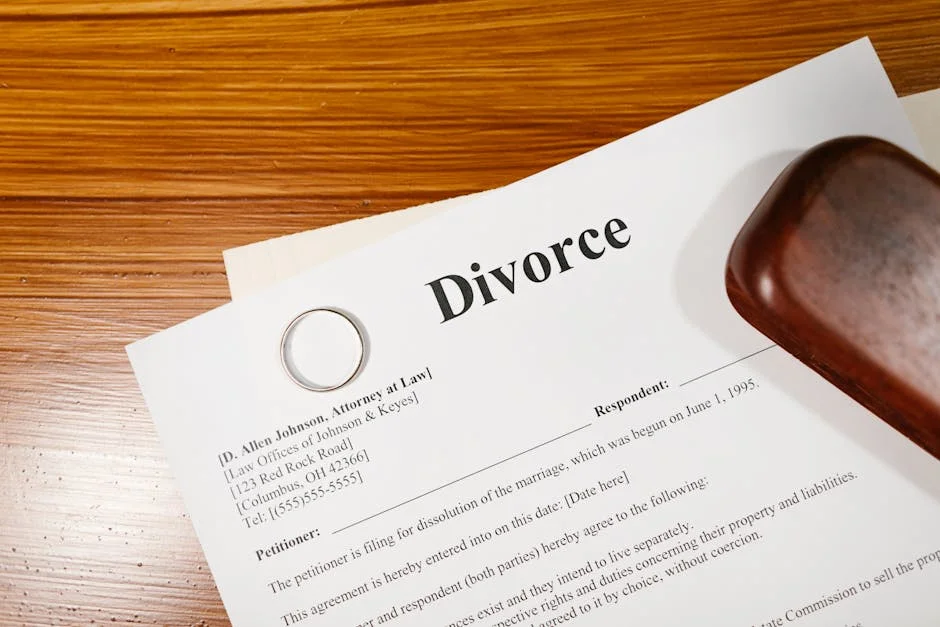
The Madhya Pradesh High Court did not sit idly by as the Bhopal police moved swiftly to file charges. Judges expressed concern that the initial investigation might have been influenced by the intense media circus surrounding the case. By ordering a second autopsy, the court aims to introduce a layer of scientific objectivity that was arguably missing in the first round of examinations. This move signals a judicial willingness to challenge the executive branch when procedural shortcuts appear likely.
The first autopsy report had cited multiple injuries, suggesting a violent encounter. However, the defense team argued that the findings were inconclusive and potentially biased. The High Court’s order for a second examination by a panel of independent experts is a direct response to these claims. It forces the prosecution to prove beyond reasonable doubt that the injuries were consistent with the alleged timeline and location of the incident. This procedural safeguard is crucial for maintaining public trust in the judicial system.
The Role of Judicial Scrutiny in High-Profile Cases
When a case involves prominent figures or viral social media narratives, the risk of prejudice increases exponentially. The High Court’s intervention serves as a check on this potential bias. It reminds the lower courts and the police that evidence must speak louder than headlines. In this instance, the second autopsy is not just a medical procedure but a legal necessity to strip away the noise. Citizens view this as a reassuring sign that the judiciary is acting as a neutral arbiter rather than a rubber stamp for the prosecution.
The decision also places immense pressure on the Madhya Pradesh Police. They must now defend their initial findings under the microscope of a second, more rigorous examination. Any discrepancy between the two reports could lead to a significant shift in the narrative. For the average citizen, this highlights the importance of thorough investigation over quick arrests. It suggests that the truth is often more complex than the initial burst of information suggests.
Saurabh Sharma Prepares for Surrender
Saurabh Sharma, the husband of the deceased, has indicated his readiness to surrender to the court. This move is strategic, aiming to secure anticipatory bail and perhaps influence the court’s perception of his cooperation. Legal experts suggest that surrendering early can demonstrate a lack of flight risk and a willingness to face the music. However, it also locks him into the formal legal process, making it harder to withdraw without substantial evidence in his favor.
The surrender will likely take place in the Bhopal courts, where the case is currently being heard. Saurabh’s legal team is preparing a robust defense, relying heavily on the outcome of the second autopsy. They argue that the initial charges were filed hastily, driven more by public outrage than by concrete forensic evidence. The community watches this development with mixed emotions. Some see Saurabh as a victim of a patriarchal system, while others view him as a reluctant defendant caught in a web of family drama.
This phase of the case is critical for the defense. If the second autopsy reveals inconsistencies in the police’s narrative, Saurabh’s position strengthens considerably. Conversely, if the new findings corroborate the initial report, his surrender may seem like an admission of guilt rather than a strategic move. The outcome will depend on the detailed medical evidence presented in the coming weeks. For residents of Madhya Pradesh, this underscores the high stakes involved in family law disputes that spill into the criminal justice system.
Family Dynamics and the Viral Narrative
The case has become a viral sensation, largely due to the dramatic statements made by Twisha’s family. Her mother, Vidya Sharma, has been a vocal advocate, presenting a narrative of a daughter pushed to the brink by domestic strife. Social media platforms are flooded with clips of her emotional pleas, which have galvanized public opinion. However, this digital outcry has also complicated the legal proceedings, creating an atmosphere where facts are often secondary to emotion.
The family’s aggressive stance has put the police under immense pressure to act quickly. Arrests were made swiftly, and charges were filed before all evidence was fully digested. This rush to judgment has led to accusations that the police are performing for the cameras rather than the courtroom. The second autopsy ordered by the High Court is an attempt to recalibrate this balance. It forces the investigation back to the basics: the body, the injuries, and the timeline.
For the community, this case highlights the dangers of trial by media. When a story goes viral, the defendant often faces a public verdict before the gavel even falls. This can prejudice potential jurors and influence the behavior of law enforcement. The High Court’s intervention is a necessary corrective measure. It reminds everyone involved that the court of public opinion is not the same as the court of law. Citizens are learning to distinguish between emotional appeals and factual evidence.
Impact on Local Communities and Public Trust
The Twisha Sharma case has sparked intense discussions in tea shops, living rooms, and office corridors across Madhya Pradesh. People are debating the nature of marriage, the role of women, and the efficiency of the police force. These conversations are not just academic; they reflect deep-seated anxieties about personal security. Women, in particular, are re-evaluating their safety within the domestic sphere, wondering if the legal system is equipped to protect them.
The case has also affected the local economy in subtle ways. Businesses in Bhopal, especially those near the court and the police station, have seen increased footfall. Reporters, lawyers, and onlookers have created a small boom in the service sector. However, this economic activity is fleeting and tied to the volatility of the case. More importantly, the case has eroded trust in local institutions. People are questioning whether the police are impartial or influenced by external pressures.
Community leaders and local NGOs are using this case to advocate for better legal literacy. They argue that citizens need to understand their rights and the procedural safeguards available to them. This case serves as a live lesson in the complexities of the Indian legal system. It shows how quickly a family dispute can escalate into a high-stakes criminal trial. For the average citizen, this awareness is empowering but also daunting.
Legal Precedents and Future Implications
If the second autopsy yields different results, it could set a precedent for future cases in Madhya Pradesh. It may encourage families to demand more thorough investigations before accepting police conclusions. This could lead to a more rigorous standard of evidence in domestic violence cases. The High Court’s willingness to intervene also signals that lower courts will not be left to navigate high-profile cases without guidance. This judicial activism could benefit defendants who feel overwhelmed by the prosecution’s resources.
Conversely, if the second autopsy confirms the initial findings, it will reinforce the police’s authority. It will suggest that their initial assessment was accurate despite the criticism. This could embolden law enforcement to act decisively in future cases, knowing that the judiciary has their back. However, it may also lead to more accusations of bias if the defense feels the process was stacked against them. The outcome will shape the legal landscape in the state for years to come.
The case also highlights the need for reform in how high-profile cases are managed. There is a growing consensus that a special task force or a dedicated bench might be necessary to handle the pressure. This would help insulate the investigation from media and political interference. For citizens, this means that future cases might be handled with more transparency and efficiency. The Twisha Sharma case is thus a catalyst for broader systemic change.
What to Watch Next in the Twisha Sharma Case
The immediate next step is the scheduling and execution of the second autopsy. The High Court has set a tight deadline, and the results are expected within weeks. These findings will be the cornerstone of both the prosecution’s and the defense’s arguments. Legal teams are already preparing their cross-examinations, anticipating the strengths and weaknesses of the new report. The community should watch for the release of the forensic panel’s names, as their credibility will be scrutinized.
Following the autopsy, the court will likely hear arguments on anticipatory bail for Saurabh Sharma. This hearing will be a critical juncture, as it will determine whether he remains free or is moved to judicial custody. The judge’s decision will be influenced by the new evidence and the overall conduct of the case. Residents should also monitor the behavior of the media, which may intensify its coverage depending on the autopsy results. The coming weeks will be decisive in shaping the final outcome.
See Also
- Akasa Air Forces Emergency Landing in Lucknow — Passengers Left Stranded
- Telangana CM Criticises Officials' Coordination: Citizens Brace for Fallout
What is the latest news about madhya pradesh high court orders second autopsy in twisha sharma case?
Why does this matter for development?
What are the key facts about madhya pradesh high court orders second autopsy in twisha sharma case?