Delhi Police has arrested the driver and conductor of a private bus following a harrowing gangrape of a woman in the Nangloi area. The incident, which unfolded while the vehicle was in motion, has sent shockwaves through the capital’s commuter community. Authorities confirmed the detentions after the victim, who was picked up at a busy stop, recounted her ordeal to investigators.
Arrests Made in Nangloi Bus Incident
Law enforcement officials moved quickly to secure the two primary suspects. The driver and the conductor were taken into custody at the Nangloi Police Station. Police spokespeople stated that the arrests were made based on the victim’s initial statement and preliminary forensic evidence collected from the bus. This swift action aims to establish a clear chain of custody for the evidence.
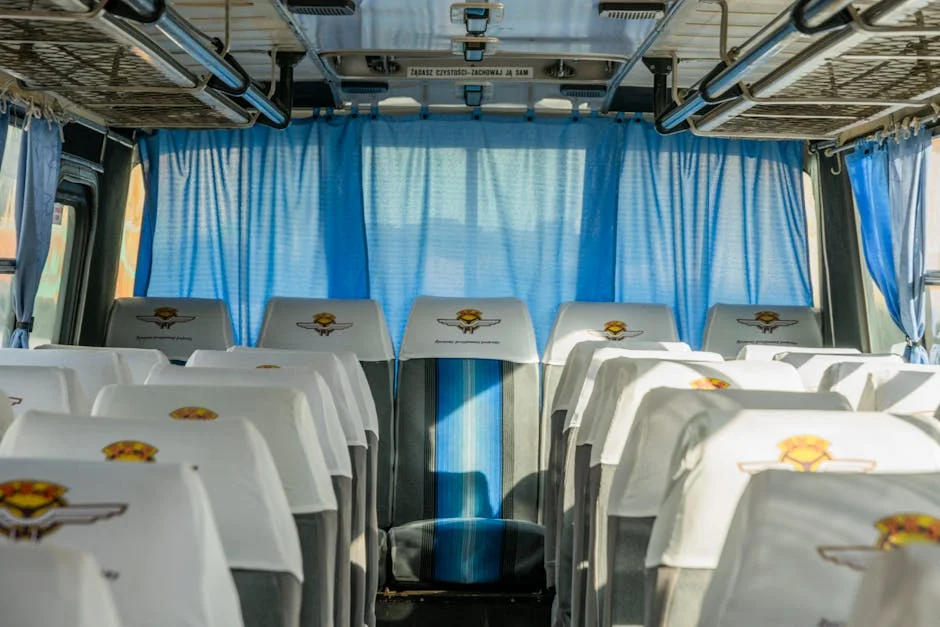
The investigation is now focusing on the timeline of events. Police are reviewing CCTV footage from the route to identify other potential passengers or witnesses. The Nangloi subdivision of the Delhi Police has formed a special task force to handle the case. This dedicated team will work around the clock to piece together the sequence of the crime.
Local residents have expressed a mix of relief and anxiety. While the arrests provide some initial closure, the community remains on edge. Many commuters fear that the bus service, a lifeline for thousands, may become less safe. The police have promised to increase patrols along the Nangloi-Jamuna Highway route. This measure is intended to reassure the public during the ongoing investigation.
The Victim’s Ordeal on the Moving Bus
The victim boarded the bus at a designated stop near her residence. She was traveling to her workplace, a routine journey for many Delhi residents. According to police reports, the attack began shortly after the bus started moving. The confined space of the vehicle added to the terror experienced by the woman. She described being overwhelmed by the presence of the driver and conductor.
Details of the Attack and Abandonment
The incident involved a coordinated effort by the two suspects. The victim reported that she was picked up, subjected to a gangrape, and then abandoned. The location where she was left was a relatively isolated stretch of road. This detail has raised questions about the premeditated nature of the crime. Police are analyzing whether the suspects had previously scouted the route for an ideal spot.
Rescuers found the woman in a state of shock. She managed to flag down a passing vehicle for help. Her quick thinking may have been crucial in securing her survival. Medical teams rushed her to a nearby hospital for immediate treatment. Doctors confirmed that her physical condition is stable, but the psychological trauma remains significant.
The manner of the attack highlights the vulnerability of public transport users. A moving bus can feel like a sanctuary, but it can also become a trap. The victim’s story is now a focal point for discussions on commuter safety. It underscores the need for better oversight of private bus operators in the region.
Impact on Nangloi Community and Daily Life
The news has deeply affected the local community in Nangloi. Residents are gathering in small groups to discuss the incident. Many women have started adjusting their travel schedules to avoid peak hours. Some have chosen to travel in larger groups for added security. This shift in behavior indicates a growing sense of unease among the populace.
Local shopkeepers report a change in the morning rush. More people are opting for two-wheeler transport or car pools. The private bus service involved in the incident has seen a temporary dip in ridership. Commuters are hesitant to board the same route without additional assurances from the police. This economic impact is a direct consequence of the crime.
Community leaders have called for immediate action. They are demanding stricter background checks for bus staff. The local panchayat has organized a meeting to discuss safety measures. Residents are urging the Delhi Transport Corporation to install more CCTV cameras. These cameras would cover not just the driver’s cabin but also the passenger areas.
The incident has also sparked conversations about gender dynamics in public spaces. Women in Nangloi feel that their right to move freely is under threat. Community groups are planning awareness campaigns to educate commuters on their rights. These efforts aim to empower women to speak up and seek help when needed.
Police Investigation and Forensic Evidence
The Delhi Police is employing modern forensic techniques in the case. DNA samples have been collected from the victim and the bus. These samples will be matched against the biological evidence found on the suspects. The forensic science laboratory in Delhi is working on a fast-tracked schedule. Results are expected to confirm the identities of the attackers.
Investigators are also interviewing other passengers who were on the bus. Some witnesses have come forward with valuable information. Others remain hesitant to speak due to fear of retaliation. The police are using anonymous tip lines to encourage more testimonies. This multi-pronged approach helps in building a robust case file.
The bus itself has been sealed off as a crime scene. Experts have examined the seats, handrails, and floor for traces. The driver’s cabin has been scrutinized for clues about the conductor’s movements. Every detail is being documented to reconstruct the event. This meticulous work is essential for a successful prosecution.
Police officials have emphasized that no stone will be left unturned. They are coordinating with the local hospital for medical reports. The victim’s statement is being corroborated with physical evidence. The investigation team is preparing for potential challenges in the court. They aim to present a watertight case to the magistrates.
Women’s Safety Concerns in Delhi
This incident adds to the ongoing debate on women’s safety in Delhi. The capital has seen several high-profile cases in recent years. Each case brings renewed scrutiny of public transport systems. The Nangloi bus gangrape is a stark reminder of the vulnerabilities that exist. It highlights the need for systemic improvements in safety protocols.
Activists are pointing out the lack of emergency buttons on many buses. These devices allow passengers to alert the driver or control room instantly. The absence of such features can delay response times during an attack. Campaigners are urging the transport department to retrofit older buses. This upgrade would provide a simple yet effective safety net.
The role of private operators is also under the spotlight. Unlike government buses, private services may have less rigorous monitoring. The Nangloi incident involves a private bus, raising questions about oversight. Regulators are reviewing the licensing and inspection processes for these vehicles. Stricter enforcement could prevent future lapses in safety standards.
Women in Delhi are demanding more than just arrests. They want sustained changes in how public transport is managed. This includes better lighting at bus stops and more female conductors. The community expects the government to act on these demands. The pressure is mounting for a comprehensive safety audit of the bus network.
Public Reaction and Social Media Response
News of the incident spread rapidly on social media platforms. Hashtags related to Nangloi and Delhi safety trended locally. Citizens shared their own experiences and fears in the comments sections. The digital outcry has amplified the voices of those who feel unheard. This online mobilization puts additional pressure on authorities to act decisively.
Social media users have criticized the slow pace of justice in previous cases. They are calling for fast-track courts for the Nangloi gangrape. Many posts highlight the importance of believing the victim. This sentiment reflects a growing awareness of the psychological toll on survivors. The digital conversation is shaping public opinion on the case.
Local influencers and journalists are covering the story extensively. Their reports provide real-time updates on the investigation. This media coverage keeps the case in the public eye. It ensures that the police remain accountable for their progress. The scrutiny helps to maintain momentum in the quest for justice.
However, social media has also seen its share of misinformation. Rumors about the identity of the suspects have circulated. Police have issued statements to clarify the facts. They urge the public to rely on official sources for updates. This effort aims to reduce panic and confusion in the community.
What to Watch Next in the Investigation
The coming weeks will be crucial for the case. The police plan to produce the arrested suspects before the court. Their remand status will determine the initial phase of the trial. Legal experts suggest that the quality of evidence will be key. A strong forensic link between the victim and the bus is essential.
Residents should watch for announcements on route changes. The transport department may adjust schedules to accommodate passenger preferences. This could affect daily commutes for many people. Keeping an eye on official bulletins will help commuters plan their journeys. Flexibility will be necessary as the situation evolves.
The community should also monitor the implementation of new safety measures. If the police increase patrols or install cameras, this will be a positive sign. Local leaders are likely to hold follow-up meetings. These gatherings will provide updates on the progress of the investigation. Staying informed is the best way for citizens to engage with the issue.
See Also
- Delhi Gymkhana Bans Gym Access — Elite Clubs Face Membership Crisis
- Adani Energy Solutions Sees 32% Profit Growth — Impact on Indian Communities