India's manufacturing sector achieved a remarkable growth rate of 4.5% in May, marking a three-month high. This surge comes at a time when tensions in the Middle East are causing ripple effects across global supply chains, directly impacting local economies and communities throughout India.
Significant Growth Drives Local Economic Optimism
The latest data from the Indian Ministry of Finance indicates that manufacturing output has rebounded significantly compared to the previous months. This growth can be attributed to increased domestic demand and a boost in exports, despite the challenges posed by geopolitical unrest. Cities like Pune and Ahmedabad, known for their industrial hubs, are witnessing a revitalisation of production activities, leading to greater job opportunities and economic stability.
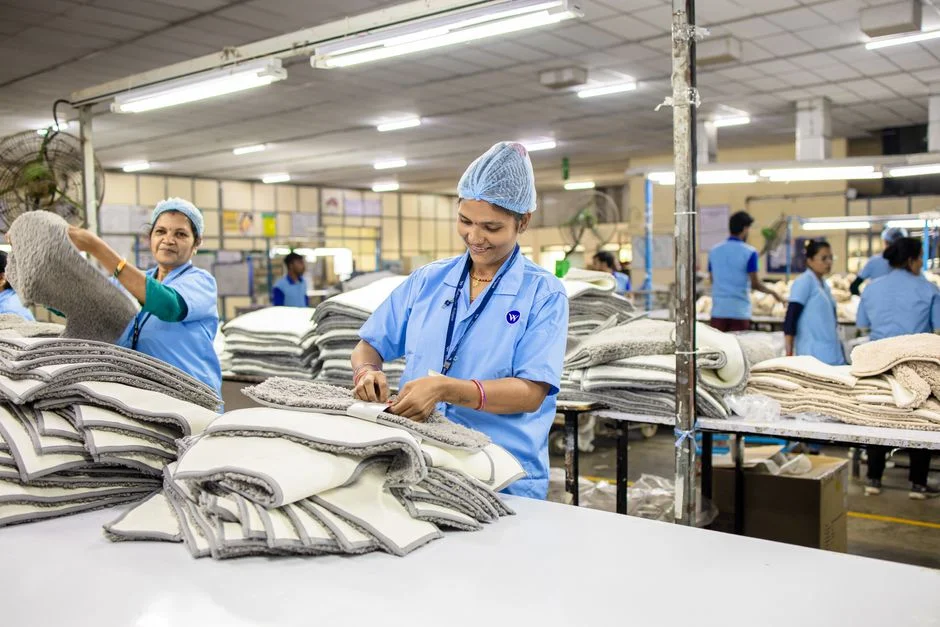
With production ramping up, local businesses are optimistic about upcoming months. Manish Agarwal, owner of a manufacturing plant in Gujarat, shared, "The uptick in demand for our products has been encouraging. We are hiring more staff and looking to expand our operations. This is good news for our community and the local economy." The growth in manufacturing is further expected to support ancillary industries, creating a network of jobs throughout the region.
Middle East Conflict Influences Supply Chains
Conflicts in the Middle East have been known to disrupt global supply routes, affecting various sectors, including textiles and electronics, which are crucial to India's manufacturing landscape. As countries in the region grapple with instability, Indian manufacturers are benefitting from companies seeking to diversify their supply chains away from these riskier areas. This shift presents Indian firms with a unique opportunity to capture a larger share of the market.
The situation is not without its challenges. While some manufacturers are reaping the benefits, others are facing increased costs for raw materials, stemming from the fluctuating geopolitical situation. According to the Federation of Indian Chambers of Commerce and Industry (FICCI), 65% of surveyed manufacturers reported heightened input costs due to supply chain disruptions stemming from the Middle East conflict.
Community Impact: Job Creation and Economic Growth
The growth in manufacturing not only enhances economic prospects but also creates jobs for local communities. As production ramps up, towns like Coimbatore and Ludhiana are witnessing an influx of workers seeking employment in factories that are expanding their workforce. This is crucial for urban areas where job creation is a pressing need.
Local governments are also taking steps to aid this growth. According to recent statements from the Ministry of Skill Development and Entrepreneurship, initiatives are being launched to train workers in high-demand manufacturing skills, ensuring that communities can effectively compete in the expanding sector. This commitment to skill enhancement is expected to further bolster local economies and workforce development.
Challenges Ahead: Inflation and Material Costs
Despite the positive signs in manufacturing, challenges remain on the horizon. Inflation rates in India have been climbing, putting pressure on consumers and businesses alike. Rising costs of essential goods could dampen domestic demand, posing a risk to the ongoing manufacturing momentum. The Reserve Bank of India is closely monitoring these trends as it formulates monetary policy to support economic stability.
Additionally, manufacturers are urged to innovate and adopt sustainable practices to counteract the volatility in material prices. Companies that invest in green technology may find themselves better positioned in the long run as global consumers become increasingly eco-conscious.
Looking Forward: What’s Next for India Manufacturing?
As India’s manufacturing sector continues to grow amidst external pressures, the focus will shift to sustaining this momentum. Stakeholders are looking to upcoming trade deals and government policies aimed at boosting manufacturing exports. Analysts expect that proactive measures could further fortify the sector's resilience against global uncertainties.
In the coming months, manufacturers and communities alike should keep a close eye on developments in the Middle East and how they might influence supply chains. With the potential for both challenges and opportunities on the horizon, remaining adaptable will be key for local economies as they navigate this complex landscape.
See Also
- Energy Department Blames Staffer for Misleading Post on Naval Escort - Full Story
- Namibia's Green Energy Dream Could Spell Trouble for Penguin Homes - Explained
The Reserve Bank of India is closely monitoring these trends as it formulates monetary policy to support economic stability.Additionally, manufacturers are urged to innovate and adopt sustainable practices to counteract the volatility in material prices. Analysts expect that proactive measures could further fortify the sector's resilience against global uncertainties.In the coming months, manufacturers and communities alike should keep a close eye on developments in the Middle East and how they might influence supply chains.
What is the latest news about indias manufacturing sector surges to 3month high amid middle east tensions?
Why does this matter for development?
What are the key facts about indias manufacturing sector surges to 3month high amid middle east tensions?