Two Indian mountaineers lost their lives while descending Mount Everest, highlighting the persistent dangers faced by the nation’s adventurers. The tragic incident occurred during the critical phase of the descent, where fatigue and weather often conspire against climbers. This event sends a shockwave through the Indian mountaineering community, prompting urgent reviews of safety protocols. Families in New Delhi and across the country mourn the loss, reflecting on the high price of conquering the roof of the world.
The Fatal Descent on Everest
The incident took place at an altitude where the air is thin and time is running out. Climbers who reach the summit must begin their descent within a narrow window to avoid the deadly "death zone." Reports indicate that the two Indians were part of a larger expedition group navigating the South Col route. The descent proved more treacherous than the ascent, a common but often underestimated hazard in high-altitude climbing. The specific circumstances involved a combination of exhaustion and sudden weather shifts that caught the team off guard.
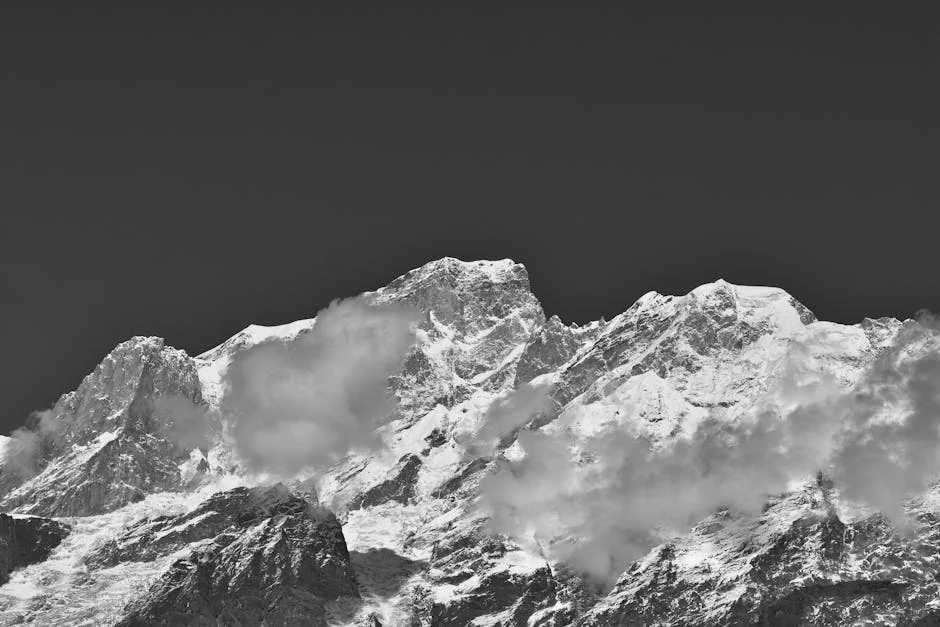
Mount Everest remains a formidable opponent despite modern gear and experienced guides. The mountain does not forgive delays or miscalculations. The two climbers had successfully reached the 8,848-meter peak, a feat that requires months of preparation. However, the journey back to Base Camp is where many accidents occur. The physical toll of the summit push leaves climbers vulnerable to altitude sickness, frostbite, and crevasse falls.
Immediate Aftermath and Rescue Efforts
Rescue operations in the Himalayas are complex and often delayed by weather conditions. Helicopters from the Nepalese Army were scrambled to assist with the initial recovery efforts. The bodies were retrieved from the slope and brought down to the Base Camp in Khumbu. This rapid response is crucial for identifying the climbers and providing closure to their families. The coordination between the Indian expedition team and local Nepalese authorities was immediate and efficient.
The emotional impact on the remaining team members was profound. Witnessing the tragedy firsthand affects the psychological state of every climber. The expedition leader had to make quick decisions to ensure the safety of the rest of the group. These decisions often involve weighing the risk of staying longer versus the danger of rushing down. The pressure to make the right call is immense when lives are hanging in the balance.
Impact on Indian Mountaineering Community
This tragedy is not just a local event in Nepal; it resonates deeply in India. The Indian Mountaineering Foundation and various state associations are reviewing the safety standards. Families in cities like Bangalore, Mumbai, and Kolkata are closely following the news. The dream of reaching Everest is a popular goal for Indian adventurers, driven by national pride and personal achievement. This loss reminds the community that preparation must be rigorous and respect for the mountain must be unwavering.
The Indian government has been increasing its support for mountaineering through subsidies and training programs. The Ministry of Earth Sciences and the Himalayan Mountaineering Institute play key roles in nurturing talent. The death of two climbers prompts a re-evaluation of these programs. Questions arise about the balance between encouraging participation and ensuring adequate experience. The community is calling for more comprehensive pre-expedition training modules.
Local communities in the Himalayan regions of India are also affected. Many climbers come from towns like Manali, Leh, and Darjeeling. The loss of a local hero creates a void in these tight-knit communities. Festivals and gatherings take on a somber tone as neighbors remember the deceased. The economic impact is also felt, as families invest heavily in the expedition costs. The return on investment is often measured in glory, but tragedy changes that equation.
Family Grief and Public Reaction
The families of the two climbers are enduring a period of intense grief. Relatives have traveled to Kathmandu to receive the bodies and prepare for the funeral rites. Social media has been flooded with tributes from friends, colleagues, and fellow adventurers. The outpouring of support highlights the strong bond within the Indian mountaineering circle. People share memories of the climbers’ determination and spirit. This collective mourning helps the families feel less alone in their sorrow.
Public reaction includes both admiration and scrutiny. Some question the timing of the expedition and the experience level of the climbers. Others focus on the bravery required to tackle the mountain. The debate is healthy for the community, driving discussions on safety and preparation. It is essential to balance respect for the dead with constructive criticism for the future. The goal is to learn from the tragedy to prevent similar losses.
Safety Protocols Under Scrutiny
The incident has triggered a review of safety protocols for Indian expeditions. The Himalayan Mountaineering Institute in Darjeeling is a central hub for training. Instructors are analyzing the specific conditions that led to the accident. Factors such as weather forecasting, gear quality, and team dynamics are under the microscope. The institute may introduce new modules focused on descent strategies and emergency response. This proactive approach aims to reduce the mortality rate among Indian climbers.
Nepal’s Department of Tourism is also facing pressure to manage the flow of climbers. The "traffic jam" on Everest is a well-known issue that contributes to accidents. The department has introduced new permits and fees to control the numbers. However, enforcement remains a challenge. Indian expeditions must coordinate closely with Nepalese authorities to ensure smooth operations. Better communication between the two countries can enhance safety for all climbers.
Insurance companies are also reviewing their policies for high-altitude climbing. The cost of coverage has risen due to the increasing number of accidents. This financial aspect affects the accessibility of Everest for middle-class Indian adventurers. Families must weigh the financial risk against the dream of summmiting. The tragedy may lead to more stringent medical checks and experience requirements for policyholders. This could help filter out less prepared climbers.
Role of Technology in Safety
Technology plays a crucial role in modern mountaineering. GPS devices, satellite phones, and oxygen monitors are standard gear. However, technology can fail in extreme conditions. The Indian Space Research Organisation has been working on better satellite coverage for the Himalayas. Improved communication can speed up rescue operations and provide real-time weather data. Investing in tech infrastructure is a strategic move for enhancing climber safety.
Data analytics is another emerging tool. By analyzing past expedition data, teams can predict potential bottlenecks and weather patterns. Indian tech startups are developing apps tailored for Himalayan climbers. These tools can provide personalized recommendations based on a climber’s health and pace. Embracing technology can give Indian expeditions a competitive edge in terms of safety and efficiency. The integration of data-driven decisions is becoming increasingly important.
Economic and Social Dimensions
The economic impact of Everest expeditions extends beyond the climbers. The local economy in Nepal and the Himalayan regions of India relies heavily on tourism. The death of two Indians may influence the number of participants in future seasons. Fear of the unknown can deter potential adventurers, affecting guide services, hotels, and gear rentals. However, the allure of Everest remains strong, and the market is likely to recover. The key is to maintain confidence through improved safety measures.
Socially, mountaineering is seen as a rite of passage for many Indians. It represents perseverance, courage, and national pride. The tragedy reinforces the social value of these traits. Communities rally around the families, offering support and recognition. This social cohesion strengthens the fabric of society. It also inspires the next generation of climbers to pursue their dreams with renewed vigor. The legacy of the deceased becomes a source of motivation for others.
The media coverage plays a significant role in shaping public perception. Accurate and respectful reporting helps in maintaining the dignity of the climbers. Sensationalism can sometimes overshadow the factual aspects of the tragedy. Indian news outlets have been diligent in covering the story with depth and nuance. This approach helps the public understand the complexities of high-altitude climbing. It also fosters a more informed and empathetic audience.
Community Support Systems
Local mountaineering clubs and associations are stepping up to support the bereaved families. Financial aid, counseling services, and memorial events are organized to help the families cope. These support systems are vital for the emotional well-being of the community. They also help in preserving the legacy of the climbers through storytelling and documentation. The sense of camaraderie is a defining feature of the Indian mountaineering spirit. This unity is a strength that helps the community navigate through tragedies.
Schools and colleges in Himalayan regions are incorporating mountaineering into their curriculum. This educational approach helps in nurturing talent from a young age. The tragedy serves as a practical lesson for students about the risks and rewards of climbing. It encourages them to prepare thoroughly and respect the mountain. The integration of mountaineering into education can lead to a more skilled and confident generation of climbers. This long-term strategy benefits the entire ecosystem of Indian mountaineering.
What to Watch Next
The Indian Mountaineering Foundation is expected to release a detailed report on the incident. This report will include recommendations for improving safety standards. Climbers should watch for updates on new training modules and gear requirements. The Himalayan Mountaineering Institute may announce changes in its certification process. These developments will shape the future of Indian expeditions to Everest and other peaks.
Nepal’s tourism department will also announce new regulations for the upcoming season. These regulations may include stricter quotas and enhanced infrastructure. Indian expeditions need to adapt to these changes to ensure a smooth experience. The collaboration between India and Nepal will be crucial for the success of future climbs. Keeping an eye on diplomatic and logistical developments will help climbers plan better.
Families of the deceased will hold memorial services in their home towns. These events will be opportunities for the community to come together and honor the climbers. The media will continue to cover the story, highlighting the human aspect of the tragedy. This ongoing coverage will keep the conversation alive and drive further improvements in safety. The legacy of the two Indian climbers will inspire future generations to reach for the summit.
See Also
- The National Gambling Board slams online gambling tech — what this means for citizens
- Portugal's Obstetrics Body Slams Private Hospital C-Section Surge
The integration of data-driven decisions is becoming increasingly important. Economic and Social Dimensions The economic impact of Everest expeditions extends beyond the climbers.