Kolkata Imam Mohammad Abdul Quader has issued a stark directive to Muslims in West Bengal, urging them to suspend cow sacrifices and cease beef consumption entirely ahead of the 2026 Bakra Eid. This unprecedented appeal challenges centuries-old traditions and sends ripples through the city’s largest Muslim community. The call to action arrives at a time when religious observance and social harmony are under intense scrutiny in the region.
Residents in neighborhoods like North Kolkata and Howrah are already grappling with the implications of this religious edict. For many, the cow has been a central figure in the ritual of Eid al-Adha, symbolizing sacrifice and divine gratitude. Now, faith leaders are asking followers to rethink this practice, citing both spiritual and social reasons.
A Historic Shift in Religious Practice
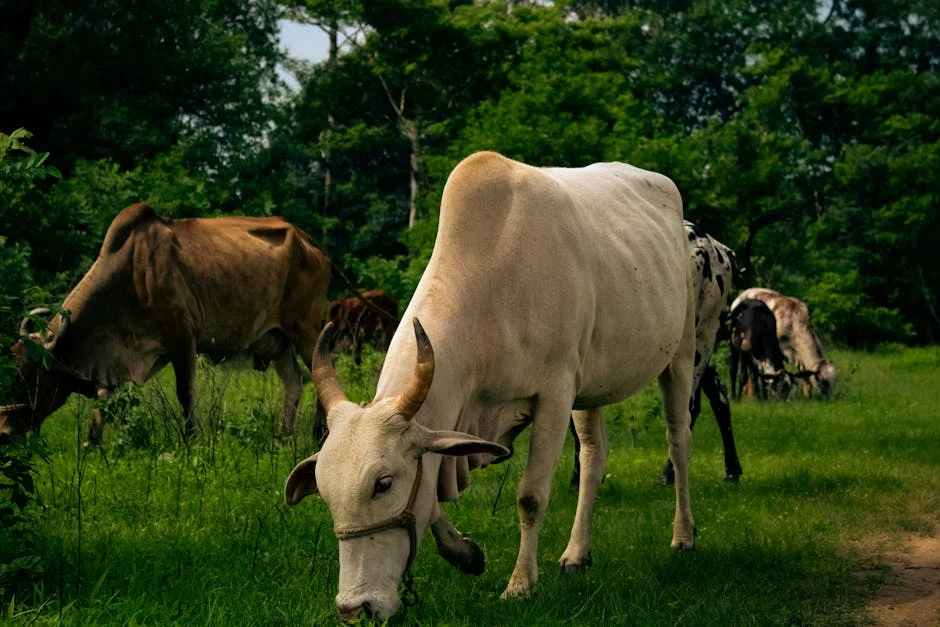
The announcement from Imam Quader marks a significant departure from traditional interpretations of the Bakra Eid ritual. Historically, the sacrifice of a cow, goat, or sheep is performed to commemorate Prophet Ibrahim’s willingness to offer his son Ismail. The meat is then divided into three parts: one for the family, one for relatives, and one for the poor.
In Kolkata, the cow sacrifice has long been a dominant feature of the celebration. Large congregations often pool resources to purchase a single cow, which is then slaughtered in communal spaces. This practice not only fulfills religious obligations but also strengthens community bonds through shared meals and distribution of meat.
Imam Quader’s appeal introduces a new layer of complexity. By urging Muslims to “never consume beef again,” the Imam is not merely suggesting a temporary pause but a potentially permanent lifestyle change. This radical shift could redefine how the community observes the festival in the years to come.
Social Harmony and Community Relations
The timing of this appeal is not coincidental. West Bengal has seen fluctuating communal dynamics in recent years, with the cow often becoming a flashpoint in broader social and political debates. The Imam’s directive appears to be a strategic move to foster goodwill and reduce potential friction with Hindu neighbors.
In a multi-ethnic city like Kolkata, where Hindus, Muslims, and Christians live in close proximity, religious symbols carry heavy social weight. The cow, revered by many Hindus, has occasionally been at the center of tensions. By voluntarily stepping back from cow sacrifice, Muslim leaders are signaling a gesture of respect and accommodation.
This move is likely to be welcomed by many who prioritize social cohesion over strict ritual adherence. Community elders in areas like Behala and Dum Dum have expressed support for the initiative, noting that peace and unity are essential for the city’s progress.
Reactions from Local Communities
The response from the ground has been mixed but largely reflective. Many younger Muslims in Kolkata view the change as a natural evolution of religious practice in a modern, pluralistic society. They argue that the essence of Eid lies in charity and gratitude, not necessarily in the specific animal sacrificed.
Older generations, however, are more hesitant. For them, the ritual is deeply entrenched in family traditions and personal faith. Some worry that abandoning the cow sacrifice might dilute the religious significance of the day. Others fear that external political pressures are influencing religious decisions.
Despite these concerns, the overall mood is one of cautious acceptance. Community leaders emphasize that the decision to follow the Imam’s advice remains voluntary. This flexibility allows individuals to choose what aligns best with their personal convictions and family traditions.
Economic Impact on Local Markets
The potential halting of cow sacrifices has immediate economic consequences for Kolkata’s livestock markets. Every year, the days leading up to Bakra Eid see a surge in cattle prices, particularly in markets like the Behala cattle market and the Howrah livestock yards. Traders, butchers, and transporters rely heavily on this seasonal boom.
If a significant portion of the Muslim community opts out of cow sacrifice, the demand for cattle could drop sharply. This would affect the income of thousands of workers in the supply chain. Prices might stabilize, but the volume of transactions could decline, leading to temporary financial strain for small traders.
Butchers who specialize in beef sales may also feel the impact. Many families purchase additional cuts of meat for festive meals. A reduction in beef consumption could lead to surplus inventory and lower turnover in local butcher shops. This economic ripple effect extends to vendors selling accessories like ropes, knives, and even temporary stalls.
However, there is also an opportunity for adaptation. Some traders are already shifting focus to goats and sheep, which are still widely accepted for sacrifice. This transition could stabilize the market but requires quick adjustments in sourcing and pricing strategies.
Religious Interpretations and Theological Debates
The Imam’s appeal has sparked theological discussions among scholars and religious institutions in West Bengal. Traditional Islamic jurisprudence allows for the sacrifice of camels, cows, sheep, and goats. There is no explicit prohibition against beef consumption in the Quran, provided the animal is slaughtered according to Halal standards.
However, religious leaders argue that the context of modern society necessitates a re-evaluation. The principle of Sunnah (tradition) is important, but so is Ijtihad (independent reasoning). The Imam’s call can be seen as an exercise in Ijtihad, adapting religious practice to contemporary social realities.
Scholars from the Al-Jamiatul Ashrafia in Kolkata have weighed in on the debate. Some support the Imam’s move as a progressive interpretation that emphasizes social responsibility. Others caution against changing rituals without a clear consensus from the broader Ummah (community).
This theological discourse is crucial for the long-term acceptance of the new practice. If the community perceives the change as spiritually valid, adoption rates will likely increase. If doubts persist, the directive may remain a recommendation rather than a widespread norm.
What to Watch Next
The coming weeks will be critical in determining how widely this directive is adopted. Local mosques and community centers are holding meetings to discuss the Imam’s appeal. The level of participation in these discussions will indicate the community’s readiness to embrace the change.
Observers should monitor the livestock markets in late June and early July 2026. A noticeable drop in cattle prices or a shift in inventory towards goats and sheep would confirm that the Imam’s words are translating into action. This data will provide concrete evidence of the directive’s impact.
Additionally, social media sentiment and local news coverage will offer insights into public opinion. If the movement gains traction, it could set a precedent for other Muslim communities in India and beyond. The 2026 Bakra Eid in Kolkata may well become a turning point in how the festival is celebrated in a modern, diverse society.
See Also
- Congress Builds Early Lead in Punjab Civic Polls as Counting Continues
- NDC Warns Aspirants Against Riding on Obi-Kwankwaso Trend Ahead of 2027 Elections
Economic Impact on Local Markets The potential halting of cow sacrifices has immediate economic consequences for Kolkata’s livestock markets. If a significant portion of the Muslim community opts out of cow sacrifice, the demand for cattle could drop sharply.
What is the latest news about kolkata imam bans beef for eid muslims face shocking new rule?
Why does this matter for local-news?
What are the key facts about kolkata imam bans beef for eid muslims face shocking new rule?