Prime Minister Narendra Modi and leaders from Denmark, Sweden, and Norway signed binding agreements at the Nordic Summit in Copenhagen. These deals unlock 100% foreign direct investment in India’s defence sector and lay the groundwork for 6G technology collaboration. The immediate result is a wave of manufacturing projects that will transform local economies across India.
Direct Investment Flows to Indian Manufacturing Hubs
The decision to allow 100% foreign direct investment in the defence sector is not merely a diplomatic gesture. It is a structural shift that allows companies like Saab from Sweden and Terma from Denmark to own Indian factories outright. This eliminates the bureaucratic friction that previously slowed down project timelines.
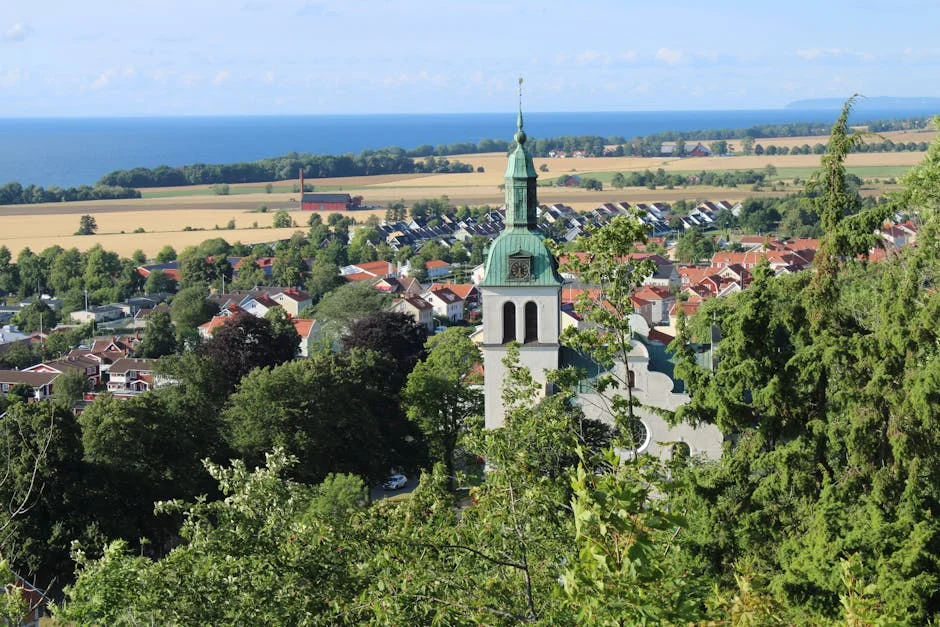
Local communities in states like Tamil Nadu and Karnataka are already feeling the ripple effects. The establishment of new assembly lines means immediate hiring for skilled technicians and engineers. These jobs often come with higher wages than traditional manufacturing roles, boosting household incomes in surrounding towns.
Small and medium enterprises (SMEs) supplying raw materials are also seeing increased orders. A steel supplier in Bengaluru, for instance, reported a 15% surge in contracts linked to the new defence production targets. This creates a multiplier effect where money spent in the defence sector circulates through local shops, schools, and housing markets.
Technology Transfer Brings 6G Infrastructure to Indian Cities
The agreement on 6G technology cooperation places India at the forefront of the next telecommunications revolution. Nordic countries are known for their early adoption of 5G and robust fibre-optic networks. Partnering with them ensures that Indian cities like Mumbai and Delhi do not just consume technology but help create it.
For the average citizen, this means faster internet speeds and more reliable connectivity in rural areas. Telecom companies are already planning pilot projects in smart cities. These projects require local engineers to manage infrastructure, creating a new class of tech-savvy workers in regions previously dominated by agriculture or light industry.
The collaboration also focuses on standard-setting. By working closely with Nordic regulators, India aims to influence global 6G standards. This strategic move protects Indian tech firms from being priced out of the global market later on. It is a long-term play that secures economic stability for the next decade.
Local Impact on Urban and Rural Connectivity
Urban centers will see the first wave of 6G deployment. This will enable advanced applications like autonomous vehicles and real-time telemedicine. Hospitals in metropolitan areas can already test remote surgery tools that rely on ultra-low latency connections.
Rural India stands to gain from improved agricultural monitoring systems. Farmers in Punjab and Haryana can use 6G-enabled drones to monitor crop health with precision. This reduces waste and increases yield, directly improving the livelihoods of millions of farming families. The technology bridge between urban innovation and rural application is shortening rapidly.
Job Creation in Key Industrial Corridors
The defence manufacturing deals are strategically located along major industrial corridors. The Delhi-Mumbai Industrial Corridor and the Chennai-Bengaluru stretch are primary beneficiaries. These regions have the necessary infrastructure, including ports and highways, to support heavy manufacturing.
Job creation is not limited to factory floors. The supply chain requires logistics, warehousing, and quality control staff. In towns like Hosur in Tamil Nadu, the population has grown by 20% in the last five years due to defence and auto manufacturing. The new Nordic investments are expected to accelerate this demographic shift.
Local governments are responding by upgrading educational institutions. Engineering colleges in Andhra Pradesh are introducing specialized courses in aerospace and defence electronics. This ensures that the local talent pool matches the technical requirements of the new factories. Education and employment are becoming more tightly aligned in these regions.
Strengthening Regional Security Through Trade
The strategic partnership extends beyond economics. It includes joint exercises and intelligence sharing. For Indian citizens, this means a more secure neighbourhood. The Nordic countries bring expertise in arctic and maritime security, which is crucial for India’s growing naval presence.
This security cooperation also stabilizes trade routes. Secure sea lanes are essential for India’s import of energy and export of goods. Any disruption in these routes can lead to inflation in fuel and food prices. The alliance helps mitigate these risks, providing a buffer against global economic shocks.
Local communities near naval bases in Goa and Kochi benefit from increased economic activity. The presence of foreign vessels and joint training exercises boosts local hospitality and service sectors. This creates a direct link between national security policy and local economic prosperity.
Local Communities Benefit from Infrastructure Upgrades
To accommodate the new factories and tech hubs, local governments are upgrading roads, power grids, and water supplies. In cities like Hyderabad, the power grid is being reinforced to handle the increased load from data centres and manufacturing plants. These upgrades improve the quality of life for all residents, not just employees.
Housing markets in these industrial towns are seeing a steady rise in demand. This creates opportunities for local builders and real estate developers. However, it also requires careful planning to prevent a housing shortage for mid-income families. Local authorities are introducing affordable housing schemes to balance the market.
The influx of foreign companies also brings cultural exchange. International employees and investors bring new perspectives and practices. This exposure helps local businesses adopt global standards of quality and customer service. The result is a more competitive and dynamic local economy.
Challenges for Local Workforce Adaptation
Not every local worker is ready for the new opportunities. There is a skills gap that needs to be bridged. The defence and tech sectors require specific technical skills that are not always present in the local labor pool. Training programs are essential to ensure that locals can compete for these high-paying jobs.
Small businesses may struggle to meet the quality standards demanded by Nordic partners. This can lead to initial consolidation, where larger suppliers win contracts over smaller, local firms. Support mechanisms, such as credit lines and technical assistance, are needed to help SMEs adapt and thrive in this new environment.
Environmental concerns also arise with increased manufacturing. Local communities are watching for potential pollution and resource depletion. Sustainable practices must be integrated into the new factories to ensure long-term health and well-being. Transparency in environmental impact assessments is key to maintaining public trust.
Future Steps and Community Watchpoints
The next phase involves the ratification of these agreements by respective parliaments. This process is expected to take six to twelve months. During this time, local governments will continue to prepare infrastructure and workforce training programs. Citizens should watch for announcements regarding specific factory locations and hiring drives.
Local leaders will play a crucial role in ensuring that the benefits of these deals reach the grassroots. Community forums and town hall meetings will be important platforms for feedback. Residents should engage with local representatives to voice their needs and concerns regarding the new developments.
The success of this partnership will be measured not just in economic terms but in social progress. Improved jobs, better connectivity, and enhanced security are the key indicators. As the deals move from paper to practice, the impact on daily life in Indian communities will become increasingly visible. Keep an eye on local news for updates on hiring and infrastructure projects in your area.
See Also
- Delhi Capitals Seal Thrilling 3-Wicket Win Over PBKS in IPL Play-Off Race
- Nigerian Fishermen Celebrate Annual Fishing Festival: A Catch for the Community
What is the latest news about india and nordic states seal defence pacts local factories to boom?
Why does this matter for education?
What are the key facts about india and nordic states seal defence pacts local factories to boom?