The Tamil Nadu Congress has launched a sharp critique of the recent surge in fuel prices, arguing that the financial burden is falling disproportionately on daily wage earners and small business owners across the state. This political backlash comes as petrol and diesel rates in Chennai and other major urban centers have climbed to new monthly highs, triggering widespread frustration among voters ahead of the upcoming assembly elections. The opposition party contends that the ruling government’s reliance on indirect taxes is stifling local economic growth and eroding the purchasing power of the common citizen.
Rising Costs Hit Chennai Households Hard
Every time a driver fills up their tank in Chennai, they are feeling the pinch of the latest price adjustments. The cost of petrol has risen sharply, adding an estimated 15 to 20 percent to the monthly transport budget for an average family. This increase is not merely a statistic on a dashboard; it represents real money taken from the pockets of students, office workers, and auto-rickshaw drivers who rely on consistent fuel availability for their daily commute. The Tamil Nadu Congress argues that these hikes are timed strategically to test the patience of the electorate.
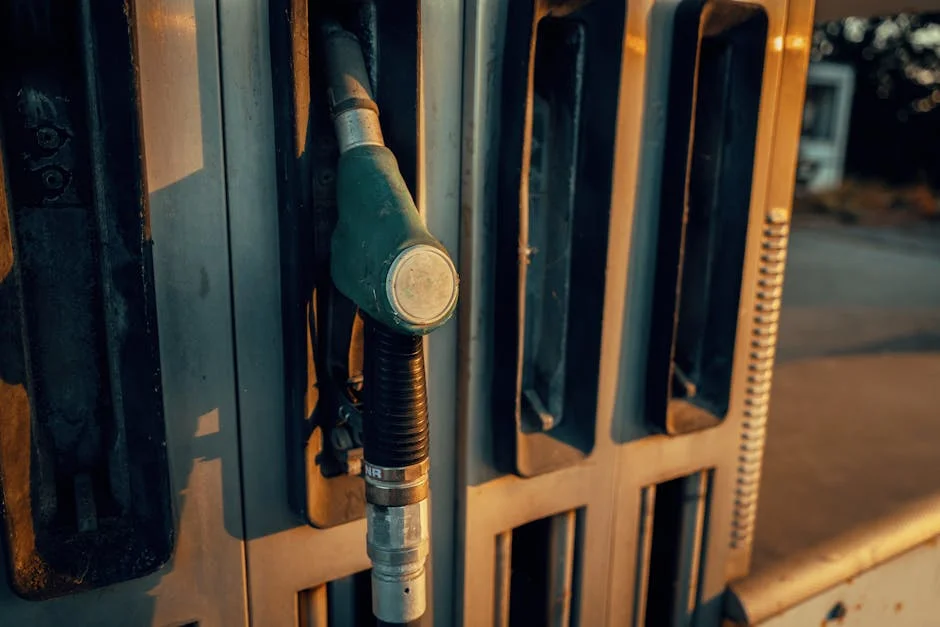
Communities in industrial hubs like Coimbatore and Tirupur are also feeling the strain. Small manufacturers report that logistics costs have escalated, forcing them to either absorb the losses or pass them on to consumers. This ripple effect means that the price of vegetables, milk, and bread at local markets is likely to follow the trajectory of fuel prices. The opposition party highlights that while corporate profits may be stabilizing, the daily wage earner is facing a silent inflation crisis that threatens their basic standard of living.
Impact on Rural Agriculture
The agricultural sector in Tamil Nadu is particularly vulnerable to these fluctuations. Farmers in districts like Thanjavur and Thanjaver depend heavily on diesel for irrigation pumps and tractor operations. A sustained increase in diesel prices directly reduces the net income from crops like paddy and sugarcane. The Tamil Nadu Congress warns that if these costs are not checked, many smallholder farmers may be forced to sell their produce at lower margins just to cover input costs, leading to a potential agrarian distress in the coming harvest season.
Political Rhetoric Meets Economic Reality
The Tamil Nadu Congress has framed this issue as a direct result of fiscal mismanagement by the state and central governments. They point out that while global oil prices have shown some volatility, the domestic tax structure keeps the end-consumer paying a premium. This narrative is designed to resonate with voters who feel disconnected from high-level economic indicators. By focusing on the pump price, the opposition is attempting to simplify a complex economic situation into a relatable daily struggle for the average Tamil citizen.
However, the ruling government defends the hikes as necessary to balance the state’s revenue needs. They argue that without these adjustments, essential infrastructure projects and social welfare schemes would face funding shortfalls. This creates a classic political dilemma: immediate relief for the voter versus long-term fiscal stability for the state. The Tamil Nadu Congress challenges this trade-off, suggesting that the government is prioritizing balance sheets over the bread and butter of the people. This debate is likely to dominate local news cycles and town hall meetings in the weeks leading up to the election.
Local Economy Under Pressure
The ripple effects of higher fuel costs are already visible in the local retail sector. Shop owners in Madurai and Salem report that customer footfall has decreased slightly as consumers try to cut back on non-essential purchases. When transport costs rise, the cost of doing business increases for everyone from the wholesale distributor to the corner store vendor. This economic pressure can lead to slower hiring, reduced working hours for part-time employees, and a general tightening of the local money supply. The Tamil Nadu Congress argues that this slowdown is a direct consequence of policy decisions that fail to protect the local economy from external shocks.
Small and medium enterprises (SMEs) are calling for targeted subsidies or tax breaks to offset the increased operational costs. Without intervention, there is a risk that some smaller businesses may struggle to survive the transition period. The opposition party is using these business concerns to build a coalition of support that extends beyond traditional voter bases. By aligning with the merchant community, the Tamil Nadu Congress hopes to present itself as the party of economic pragmatism and local empowerment. This strategy aims to shift the political discourse from personality politics to policy outcomes.
Community Response and Public Sentiment
On the streets of Tamil Nadu, the reaction to the fuel price hike is a mix of resignation and anger. Many commuters have started carpooling or switching to public transport to save money, but the convenience factor is diminishing. Auto-rickshaw fares have seen minor increases, which further aggravates the daily traveler. Social media platforms are flooded with complaints from residents sharing their weekly fuel bills, creating a visible narrative of economic stress. The Tamil Nadu Congress is leveraging this organic public sentiment to amplify their message and keep the issue in the spotlight.
Local community leaders and ward members are holding informal meetings to discuss the impact on their constituents. In residential colonies in Chennai, housewives are adjusting grocery lists to accommodate higher transport costs for getting to the market. These micro-level adjustments add up to a macro-level shift in consumer behavior. The opposition party argues that the government is slow to recognize these changes, relying on outdated economic models that do not account for the current reality of household finances. This disconnect between policy and practice is a key point of contention in the ongoing political debate.
Strategic Moves by the Opposition
The Tamil Nadu Congress is not just criticizing; they are proposing alternatives. They have called for a review of the state’s fuel tax structure and a potential reduction in the VAT component to provide immediate relief. This proposal is designed to show voters that the opposition has a clear plan and is ready to act if given the chance. By offering a specific policy solution, the party aims to move beyond mere rhetoric and present a tangible benefit to the electorate. This strategic move is intended to capture the imagination of voters who are tired of political promises without delivery.
Furthermore, the party is organizing rallies and roadshows in key constituencies to keep the momentum going. These events are designed to bring the issue of fuel prices directly to the doorsteps of voters. Leaders are engaging with locals, listening to their grievances, and promising swift action on tax reforms. This grassroots approach is crucial in a state where local issues often outweigh national narratives. The Tamil Nadu Congress is betting that by focusing on the immediate economic pain points of citizens, they can sway undecided voters in the upcoming election. This strategy requires sustained effort and consistent messaging to maintain public attention.
What Voters Should Watch Next
The coming weeks will be critical in determining how this issue evolves. Voters should monitor the government’s response to the opposition’s demands, particularly any announcements regarding tax revisions or subsidies. The timing of the next fuel price revision will also be a key indicator of the government’s fiscal strategy. If prices continue to rise without a clear justification or relief measure, public dissatisfaction is likely to grow. The Tamil Nadu Congress will continue to press this issue, making it a central theme in their campaign trail. Citizens are advised to keep an eye on local news and official statements to understand how these economic shifts might impact their own financial planning and voting decisions in the near future.
See Also
- Ayodele Arise Rejects Fasuyi, Warns Oyebanji Over Imposition
- Abuja Strongman Philip Aduda Quits PDP, Sparks Political Turmoil
The timing of the next fuel price revision will also be a key indicator of the government’s fiscal strategy. The opposition party is using these business concerns to build a coalition of support that extends beyond traditional voter bases.
What is the latest news about tamil nadu congress slams fuel hike commuters face brunt?
Why does this matter for politics-governance?
What are the key facts about tamil nadu congress slams fuel hike commuters face brunt?