Nigeria’s economy has entered a phase of relentless price hikes that are reshaping the daily existence of millions of citizens. The nation’s inflation rate has climbed to a staggering 34% in early 2026, marking the highest level seen in over two decades. This surge is not merely a statistic on a central bank report; it is a tangible force eroding the purchasing power of the average Nigerian family.
The impact is most visible in the bustling markets of Lagos, the commercial heartbeat of the country. Shoppers who once bought a week’s worth of provisions with a single paycheck now find themselves stretching that same amount to cover three days of meals. The economic pressure is forcing difficult choices for households across the federation, from the elite in Abuja to the traders in Kano.
The Rising Cost of Basic Necessities
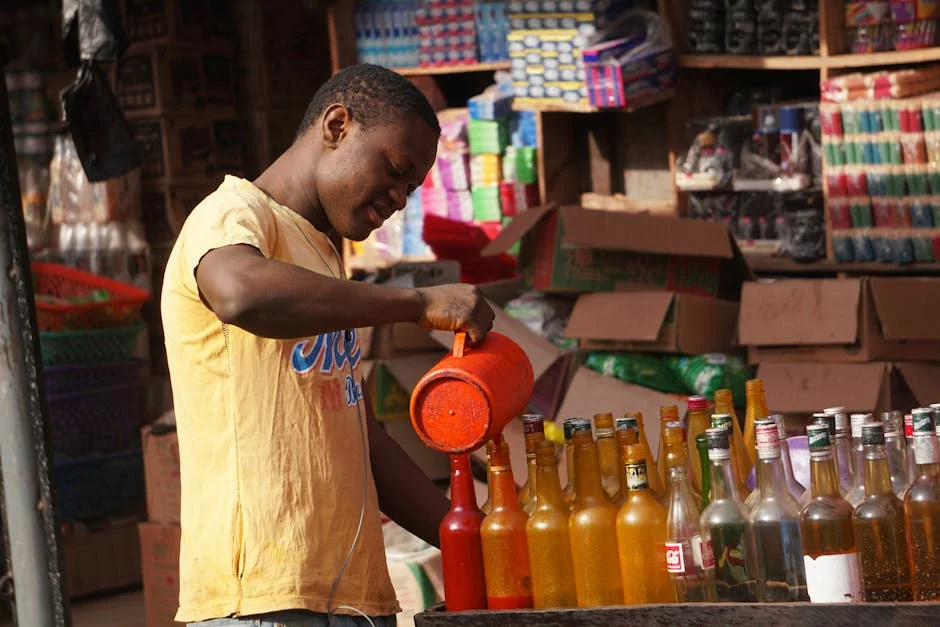
Food inflation remains the primary driver of the broader economic anxiety. The price of staple foods has outpaced wage growth for the majority of the workforce. A bag of rice, a cornerstone of the Nigerian diet, has seen its price double compared to figures from just two years ago. This dramatic increase forces families to reduce portion sizes or switch to less nutritious alternatives.
Transportation costs have also skyrocketed, compounding the financial strain. Fuel prices, which had previously stabilized, have begun to climb again due to currency fluctuations and global oil market dynamics. Commuters in Lagos spend upwards of 30% of their monthly income on getting to work and back. This leaves less disposable income for housing, healthcare, and education.
Impact on the Working Class
For the working class, the margin for error has virtually disappeared. A teacher in Ibadan or a civil servant in Port Harcourt finds that their salary barely covers rent and basic utilities. The cost of electricity, both grid power and generator fuel, has risen sharply. Many households are now relying on solar panels or kerosene lamps to save money, altering their daily routines and working hours.
Small business owners are particularly vulnerable to these shifts. Market traders in Onitsha Market report that sales volumes have dropped by nearly 40% as customers become more price-sensitive. Many are forced to extend credit to regular customers, tying up capital and making it harder to restock inventory. This liquidity crunch threatens the survival of small enterprises that form the backbone of the local economy.
Educational and Healthcare Pressures
The sectors of education and healthcare are feeling the pinch acutely. Parents are struggling to keep up with rising school fees, which have increased by an average of 25% in the last year. Many families are sending one child to school while putting the others on the back burner, a decision that could have long-term implications for the nation’s human capital.
Healthcare costs are also escalating. The price of essential drugs has surged due to the devaluation of the Naira and supply chain disruptions. A simple course of antibiotics that cost a modest sum in 2024 now requires a significant portion of a weekly wage. This has led to delayed treatments and a rise in preventable illnesses among the lower-income brackets.
Hospitals in major cities like Abuja and Lagos are seeing an influx of patients who can no longer afford private care. The public health system, already strained, is under additional pressure as more citizens seek relief from the cost of living crisis. The quality of care in public facilities is often cited as a concern, but the alternative is often financial ruin.
Social Unrest and Community Response
The economic hardship has sparked a wave of social unrest across the country. Protests have erupted in several cities, with demonstrators demanding government intervention to curb rising prices. These demonstrations are not isolated incidents but reflect a growing frustration with the pace of economic recovery. Citizens are taking to the streets to voice their discontent with the status quo.
Community responses have also emerged as a coping mechanism. Neighborhood associations in Lagos are organizing collective buying groups to secure better prices for bulk goods. These initiatives help members save money and foster a sense of solidarity in the face of economic uncertainty. Such grassroots efforts highlight the resilience of the Nigerian people in the face of adversity.
Religious institutions are playing a larger role in social welfare. Churches and mosques are increasing their outreach programs, providing food parcels and financial aid to the most vulnerable members of their congregations. This increased reliance on community support systems underscores the gap between government provisions and household needs.
Government Policy and Economic Strategy
The Nigerian government has implemented several policies aimed at stabilizing the economy. The Central Bank of Nigeria has raised interest rates to curb inflation, a move that aims to cool down spending and stabilize the currency. However, these measures have also made borrowing more expensive for businesses and individuals. The effectiveness of these policies remains a subject of intense debate among economists and policymakers.
Fiscal reforms have been introduced to widen the tax base and increase revenue collection. The introduction of new levies on imported goods and services has been a point of contention. While the government argues that these measures are necessary to fund infrastructure projects, critics argue that they place an undue burden on the common man. The balance between revenue generation and consumer affordability is delicate.
Subsidy removals have also contributed to the cost of living crisis. The fuel subsidy, which had long been a political tool, was largely removed to reduce fiscal deficits. While this move was intended to improve efficiency, it has led to a sharp increase in transport costs. The ripple effects are felt across all sectors of the economy, from agriculture to manufacturing.
Regional Disparities and Local Economies
The impact of inflation is not uniform across Nigeria. Urban centers like Lagos and Abuja are experiencing higher price increases due to demand and import dependency. In contrast, rural areas may see different trends, influenced by local agricultural production and supply chain efficiency. These regional disparities highlight the complexity of the economic landscape and the need for targeted interventions.
The agricultural sector, a major employer in the North, is facing its own set of challenges. Rising input costs for fertilizers and seeds are squeezing farmers’ profits. This could lead to reduced output and further price increases in the long run. The government’s efforts to boost agricultural productivity are critical to mitigating the food inflation crisis.
Manufacturing hubs in the South are also struggling. High energy costs and currency volatility make it difficult for factories to remain competitive. Many manufacturers are passing on these costs to consumers, further fueling inflation. The survival of the manufacturing sector is crucial for job creation and economic diversification.
Future Outlook and What to Watch
The economic situation in Nigeria is likely to remain volatile in the coming months. Analysts predict that inflation will continue to exert pressure on households unless significant structural reforms are implemented. The government’s ability to manage the Naira and control food prices will be key factors in determining the economic trajectory. Citizens should prepare for continued adjustments in their spending habits.
Upcoming policy announcements from the Ministry of Finance will provide further insight into the government’s strategy. Investors and citizens alike are watching for signs of stabilization in the foreign exchange market. The performance of key economic indicators in the second quarter of 2026 will be critical in assessing the effectiveness of current measures. The next few months will be decisive for the nation’s economic health.
See Also
- Trump Pushes Afghans to Congo Amid Refugee Crisis
- Orlando Pirates Coach Slams Strikers' Form — Calls for Immediate Fix
What is the latest news about nigerias inflation surges to 34 daily life collapses for citizens?
Why does this matter for business-economy?
What are the key facts about nigerias inflation surges to 34 daily life collapses for citizens?