Prime Minister Narendra Modi arrived in Amsterdam on Tuesday, marking the second leg of his extensive five-nation tour of Europe. He is set to meet Dutch Prime Minister Dick Schoof, though earlier reports referenced Dick Schoof’s predecessor or current leadership dynamics involving Dick Schoof and the role of Dick Schoof in the coalition. The meeting focuses heavily on deepening bilateral ties that extend far beyond diplomatic handshakes. For millions of Indians, these discussions could translate into tangible changes in trade, technology, and daily economic life.
Strategic Timing of the European Tour
The visit comes at a critical juncture for India’s global economic positioning. New Delhi has been aggressively courting European nations to diversify its supply chains and reduce dependency on traditional partners. Amsterdam serves as a strategic gateway into the broader European Single Market. This location choice is deliberate, signaling India’s intent to leverage the Netherlands’ logistical prowess and financial stability. The timing aligns with global shifts in manufacturing and energy consumption patterns.
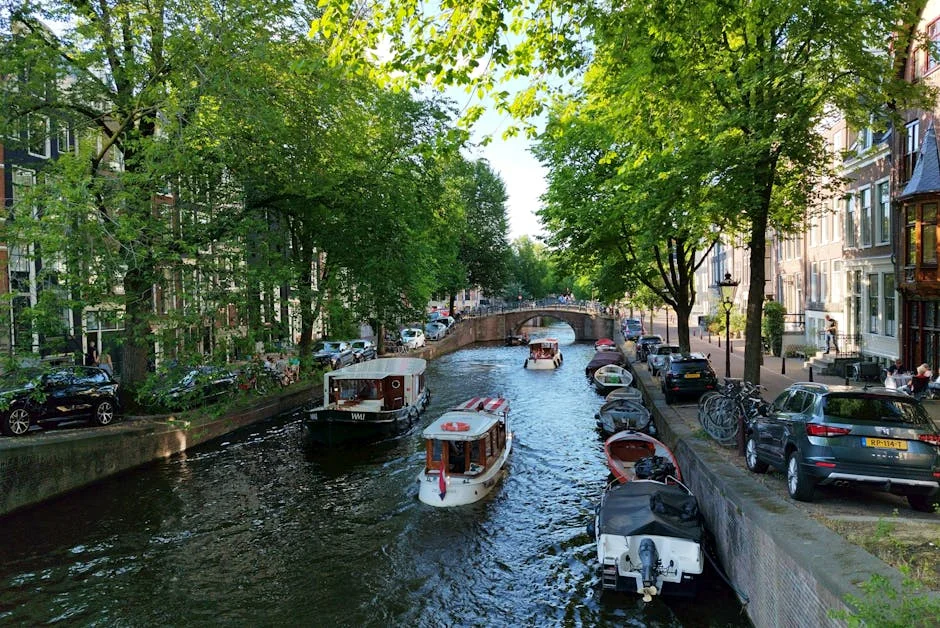
Observers note that the Dutch capital is more than just a scenic backdrop. It is a hub for logistics, agriculture, and technology. These sectors are prime targets for Indian investment and export growth. The Prime Minister’s presence there underscores a shift from soft power diplomacy to hard economic negotiations. Citizens in key Indian states like Gujarat and Maharashtra may feel the effects first through increased export opportunities. The ripple effects could soon reach smaller towns and rural economies dependent on these trade corridors.
Trade Relations and Economic Impact
The core of the agenda revolves around trade deficits and market access. India currently runs a significant trade surplus with the Netherlands, largely driven by diamond exports, pharmaceuticals, and IT services. Dutch officials are keen to balance this scale by increasing exports of agricultural products, dairy, and high-tech machinery. This negotiation directly impacts Indian consumers and businesses. Lower tariffs on Dutch dairy could mean cheaper milk and cheese for Indian households. Conversely, better access for Indian pharmaceuticals in Europe could boost revenues for companies in Hyderabad and Mumbai.
Key Sectors Under Negotiation
- Pharmaceuticals and biotechnology exports
- Agricultural technology and dairy imports
- Diamond processing and jewelry exports
- Green energy and sustainable infrastructure
These sectors are not abstract concepts; they employ millions of Indians. For instance, the diamond industry in Surat alone employs over 600,000 people. Any breakthrough in trade agreements could stabilize jobs and increase wages in this cluster. Similarly, the pharmaceutical sector is a major foreign exchange earner. Improved market access in Europe could lead to price stability for generic medicines in India. This direct link between high-level diplomacy and local employment is what makes this visit crucial for the average citizen.
Energy Cooperation and Green Transition
Energy security is another pivotal topic for the leaders. The Netherlands is a pioneer in green hydrogen and sustainable energy solutions. India, aiming to reach net-zero emissions by 2070, needs technology and investment to accelerate its transition. Collaborations in this area could bring down the cost of solar and wind energy in India. This would directly affect electricity bills for households and industries across the country. Lower energy costs mean higher profitability for manufacturers, which can lead to job creation and lower prices for goods.
The Dutch expertise in water management and agriculture technology is also highly relevant for India. With climate change posing a growing threat to Indian agriculture, adopting Dutch techniques in drip irrigation and greenhouse farming could boost crop yields. This is particularly important for states like Punjab and Haryana, where water scarcity is becoming a critical issue. Farmers could see higher incomes and greater resilience against weather fluctuations. Such technological transfers represent a direct benefit to the rural economy.
Investment Flows and Business Confidence
Foreign direct investment (FDI) is a key metric for economic health. The Netherlands is already one of the top sources of FDI into India, often through shell companies in the Netherlands channeling funds from global giants. Strengthening bilateral ties could streamline these investment flows, reducing bureaucratic hurdles for businesses. This ease of doing business encourages more companies to set up operations in India. The result is job creation in sectors ranging from logistics to finance. Cities like Gurgaon and Pune, which host many multinational corporations, stand to gain significantly.
Business leaders from both countries have expressed optimism about the potential outcomes. Indian CEOs are looking for stability and predictable regulatory frameworks. A strong diplomatic relationship provides this assurance. For Indian entrepreneurs, this means easier access to European markets and capital. Small and medium enterprises (SMEs) in India, which are the backbone of the economy, could benefit from simplified customs procedures and digital trade agreements. These changes, though seemingly technical, have a profound impact on the daily operations of small businesses.
Social and Cultural Exchanges
Beyond economics, the visit aims to strengthen social ties. Education and cultural exchanges are integral to long-term bilateral relations. More Indian students are choosing Dutch universities for their engineering and design programs. Enhanced scholarships and exchange programs could make higher education more accessible for Indian families. This not only boosts the Indian service sector but also creates a skilled workforce familiar with European work cultures. Such human capital development is crucial for India’s long-term competitive advantage.
Cultural diplomacy also plays a role in softening political edges. Art exhibitions, film festivals, and academic collaborations foster mutual understanding. For the average Indian, this might mean more access to Dutch art and literature, and vice versa. These interactions build a foundation of trust that can withstand political fluctuations. In a globalized world, these social bonds are as valuable as trade deals. They create a resilient relationship that benefits communities on both sides of the North Sea and the Bay of Bengal.
Local Reactions and Community Perspectives
In Amsterdam, the arrival of the Indian Prime Minister has sparked interest among local businesses. Dutch traders are eager to finalize deals that have been pending for years. Indian expatriates in the Netherlands are also watching closely, hoping for smoother visa processes and better recognition of professional qualifications. For the Indian diaspora, these diplomatic efforts can ease their integration and economic participation in Europe. This demographic is a significant bridge between the two nations, contributing to both economies.
Back in India, the reaction is mixed but generally positive. While rural populations may not immediately feel the impact, urban centers are more attuned to global shifts. Stock markets in Mumbai often react to such diplomatic moves, reflecting investor sentiment. However, the true test will be how quickly these agreements translate into concrete benefits for citizens. People want to see lower prices, more jobs, and better infrastructure. The government faces the challenge of communicating these long-term gains to the public in a relatable manner.
What to Watch Next
The outcome of this summit will be closely monitored in the coming weeks. Key indicators include the signing of memorandums of understanding (MoUs) and the announcement of specific joint ventures. Investors will look for clarity on tariff reductions and investment incentives. The next major milestone will be the follow-up meetings between the two countries’ trade ministries. These technical discussions will determine the pace of implementation. Citizens should watch for announcements regarding new trade routes and digital connectivity projects. The true measure of success will be the tangible changes in prices and job opportunities in the months ahead.
See Also
- Road Conditions in Satna: A Call for Urgent Attention
- Scotland Women Hand Bangladesh Third Defeat in T20I Tri-Series Shock
Key indicators include the signing of memorandums of understanding (MoUs) and the announcement of specific joint ventures. Cities like Gurgaon and Pune, which host many multinational corporations, stand to gain significantly.