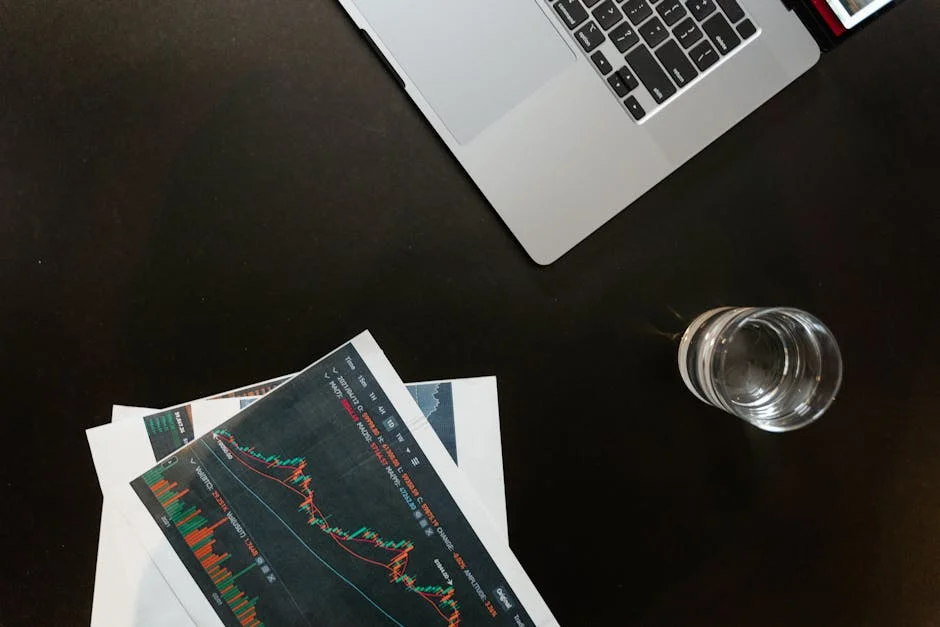
Indian stock markets closed the week in the red as rising global energy costs forced a sharp increase in domestic fuel prices. The Bombay Stock Exchange’s benchmark Sensex dropped significantly, reflecting investor anxiety over inflation and consumer spending power. This dual pressure on assets and wallets marks a challenging week for households and businesses alike.
Market Volatility Reflects Economic Pressure
The Sensex ended the trading week with a notable decline, signaling broader uncertainty in the financial sector. Traders watched closely as the Dow Jones indices influenced global sentiment, creating a ripple effect across emerging markets. Moneycontrol reports highlighted that foreign institutional investors pulled back, fearing that higher input costs would squeeze corporate margins.

This market movement is not just a number on a screen for the average Indian citizen. When the Sensex falls, it often signals a cooling economy, which can lead to job market hesitancy. Small business owners in Mumbai and Delhi are already feeling the strain as supply chain costs rise. The correlation between global indices like the Dow Jones and local Indian markets remains strong, making every international shift a local concern.
Analysts note that the volatility stems from a combination of geopolitical tensions and domestic policy adjustments. The Reserve Bank of India is closely monitoring these trends to decide on the next interest rate move. For now, the red week serves as a warning sign that economic stability is fragile. Investors are advised to remain cautious as the market digests the new price realities.
Fuel Price Hike Hits Daily Commuters
The most immediate impact of this week’s economic shifts is felt at the petrol pump. The government announced a hike in fuel prices, directly increasing the cost of living for millions of Indians. In major cities like Chennai and Bangalore, petrol prices have crossed psychological barriers, forcing commuters to rethink their daily travel habits. This price adjustment is a direct result of global crude oil fluctuations and changing tax structures.
For the daily wage earner, a small increase in petrol prices can mean a significant portion of income going to transport. Auto-rickshaw drivers in Kolkata are already adjusting their fares to compensate for the higher diesel costs. This creates a cascading effect where transport costs rise, leading to higher prices for goods and services. The burden falls heaviest on the middle class, who rely on private vehicles for convenience and time-saving.
Public transport systems are also feeling the pressure. Bus operators in Hyderabad are reporting tighter margins as diesel expenses climb. This may lead to fare hikes for bus passengers, further straining the household budget. The government’s decision to hike fuel prices was aimed at balancing fiscal deficits, but the social cost is becoming apparent. Citizens are demanding more clarity on how long these elevated prices will last.
Regional Variations in Fuel Costs
Fuel prices in India are not uniform due to varying state taxes and dealer margins. Kerala and Maharashtra typically see higher petrol prices compared to states like Gujarat and Tamil Nadu. This disparity means that the impact of the hike is not felt equally across the country. Residents in high-tax states face a steeper increase in their monthly transport expenditure. Understanding these regional differences is crucial for consumers planning their budgets.
The state governments are now under pressure to review their tax policies. Some states may choose to reduce VAT on petrol to ease the burden on voters before upcoming elections. This political dynamic adds another layer of complexity to fuel pricing. Consumers should watch for announcements from state finance ministers in the coming weeks. These decisions could lead to temporary relief or further increases depending on the political climate.
Impact on Local Businesses and Supply Chains
Higher fuel costs directly affect the logistics sector, which is the backbone of India’s supply chain. Transport companies are already revising their freight charges to account for the increased diesel consumption. This means that the cost of goods, from fresh vegetables to electronic gadgets, is likely to rise in retail outlets. Small retailers in tier-2 cities are particularly vulnerable as they have less bargaining power compared to large supermarket chains.
The automotive industry is also facing headwinds. Car sales have shown signs of slowing down as potential buyers wait for prices to stabilize. Dealerships in Pune and Chennai report that customers are delaying purchases, opting to hold onto cash until the market becomes more predictable. This hesitation can have long-term effects on production schedules and employment in the auto sector. Manufacturers are now focusing on fuel-efficient models to attract cost-conscious buyers.
Manufacturing units that rely on just-in-time delivery models are feeling the pinch. Delays in transport due to route optimizations for fuel efficiency can disrupt production lines. Companies are forced to absorb some costs or pass them on to consumers. This squeeze on margins can lead to reduced bonuses or even hiring freezes in the industrial sector. The ripple effect of fuel prices extends far beyond the petrol pump, touching nearly every aspect of the local economy.
Consumer Response and Spending Habits
Indian consumers are known for their resilience, but there is a limit to how much they can absorb. Households are beginning to cut back on non-essential spending to accommodate the higher transport costs. Dining out, entertainment, and small luxuries are the first to go when the petrol bill rises. This shift in spending habits can affect the service sector, which relies heavily on consumer confidence and disposable income.
Financial planners suggest that individuals should review their monthly budgets to identify areas for savings. Carpooling and using public transport more frequently are practical steps to mitigate the impact of fuel price hikes. Some families are even considering switching to electric vehicles, although the initial investment remains a barrier for many. The trend towards fuel efficiency is accelerating as consumers become more price-sensitive.
Community groups in various neighborhoods are organizing carpool networks to share the burden. This social response highlights the community’s ability to adapt to economic pressures. Local initiatives can provide immediate relief while waiting for broader policy changes. Engaging with community resources can help individuals manage the financial strain more effectively. Collective action can also send a strong message to policymakers about the need for relief measures.
Government Policy and Future Outlook
The government faces a delicate balancing act between fiscal health and public satisfaction. While higher fuel prices help reduce the subsidy burden, they also risk triggering inflation. The Ministry of Finance is likely to monitor inflation data closely in the coming months. If inflation rises too sharply, the government may intervene by adjusting excise duties or state VAT rates. This policy flexibility will be key to stabilizing the economy.
Investors and citizens should watch for the next Union Budget announcements for clues on future fuel pricing strategies. The government may introduce new incentives for electric vehicles to reduce long-term dependence on crude oil. These structural changes could provide relief in the medium to long term. However, the immediate future remains uncertain, requiring vigilance from all economic stakeholders.
The interaction between global markets and local policies will continue to shape the Indian economy. The Dow Jones trends and Moneycontrol analysis provide valuable insights into these dynamics. Staying informed about these factors can help individuals and businesses make better decisions. The coming weeks will be critical in determining whether the current economic pressures are temporary or part of a longer trend.
What To Watch Next Week
As the new week begins, all eyes will be on the crude oil prices and their impact on the Sensex. Traders will look for signs of stabilization or further volatility in the stock markets. Consumers should monitor daily fuel price updates to plan their commuting and travel expenses. The Reserve Bank of India’s statements on inflation will also provide crucial context for future economic decisions. Keeping a close watch on these indicators will help navigate the evolving economic landscape.
See Also
- Iniesta Launches Copas Initiative — How It Affects Indian Football
- PCP Challenges Higher Education Privilege in AR with Social Action
The Dow Jones trends and Moneycontrol analysis provide valuable insights into these dynamics. The coming weeks will be critical in determining whether the current economic pressures are temporary or part of a longer trend.