Indian External Affairs Minister S. Jaishankar has accelerated diplomatic efforts to reshape the internal structure of the BRICS bloc. He argues that institutional development is essential for the grouping to function effectively in a shifting global order. This push for reform aims to translate high-level geopolitical alignment into tangible economic benefits for citizens across the region.
The initiative signals a move away from vague diplomatic platitudes toward concrete structural changes. Jaishankar emphasized that without robust institutions, the bloc risks stagnation. For the average citizen in New Delhi or Mumbai, these talks are not just about foreign policy. They represent potential shifts in trade costs, currency stability, and investment opportunities.
Why Institutional Reform Matters for India
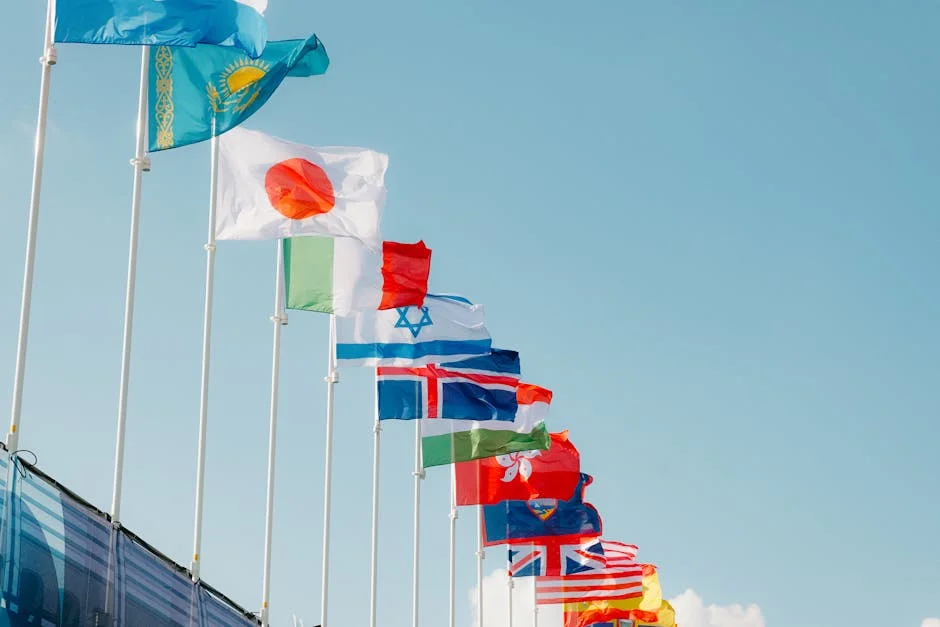
BRICS currently comprises Brazil, Russia, India, China, South Africa, and recently added members. However, the bloc has often been criticized for being more of a forum for dialogue than a cohesive economic engine. Jaishankar’s latest intervention highlights the need for functional bodies that can make binding decisions. This includes strengthening the New Development Bank and creating a unified trade settlement mechanism.
The current structure relies heavily on consensus, which can lead to slow decision-making. India seeks a more agile framework where economic policies can be aligned more closely. This is crucial for a country with a growing middle class that demands efficiency in global trade. Slow bureaucratic processes directly impact the price of imported goods and the value of the rupee.
Jaishankar explained that smooth advancement requires more than just annual summits. It needs permanent secretariats and specialized working groups. These bodies would handle specific issues like digital trade, green energy, and supply chain resilience. Such structures allow for continuous engagement rather than sporadic diplomatic bursts.
Economic Impact on Local Communities
The most direct effect of BRICS institutional development is on trade costs. A stronger institutional framework could facilitate greater use of local currencies in bilateral trade. This reduces dependence on the US dollar and the euro. For Indian exporters, this means lower transaction costs and reduced exchange rate volatility.
Consider the impact on small and medium enterprises in textile hubs like Surat or Tirupur. If trade with Brazil or South Africa uses the rupee or real more frequently, these businesses face less uncertainty. Stable currency values allow for better pricing strategies and higher profit margins. This stability can translate into job security and wage growth in these labor-intensive sectors.
Furthermore, a reformed BRICS could enhance access to financing for infrastructure projects. The New Development Bank has the potential to offer loans with fewer conditionalities than the IMF or World Bank. This could benefit state governments in India looking to build roads, ports, and digital infrastructure. Improved infrastructure lowers logistics costs, which ultimately reduces prices for consumers in cities like Chennai and Hyderabad.
Trade and Currency Mechanisms
The push for institutional reform includes creating a more efficient payment system. The BRICS Pay initiative aims to streamline cross-border transactions. This is particularly relevant for India, which is one of the largest importers of crude oil and gold. A faster, cheaper payment system reduces the cost of these essential imports.
Lower import costs can help control inflation. When the price of oil stabilizes or drops, it affects the cost of transport and manufacturing. This has a ripple effect on the prices of vegetables, electronics, and clothing in local markets. Citizens in tier-2 cities like Lucknow or Pune would feel this impact directly in their monthly household budgets.
Additionally, a unified trade policy could help Indian goods gain better access to emerging markets. Currently, non-tariff barriers often hinder Indian exports. Stronger institutional mechanisms can negotiate and enforce trade agreements more effectively. This opens up new markets for Indian pharmaceuticals, software services, and agricultural products.
Diplomatic Strategy and Regional Leadership
Jaishankar’s approach reflects India’s desire to be a rule-maker rather than just a rule-taker in the Global South. By leading the charge for institutional development, India positions itself as a pragmatic leader. This contrasts with the sometimes ideological approach of other emerging powers. It appeals to countries that prioritize economic growth over geopolitical alignment.
This strategy also helps India balance its relationships with major global powers. A stronger BRICS gives India more leverage in its dealings with the US and the EU. It allows New Delhi to pursue a multi-aligned foreign policy without being overly dependent on any single partner. This diplomatic flexibility is crucial for securing technology transfers and foreign direct investment.
The focus on institutional development also addresses concerns about China’s dominance within the bloc. By creating more structured and transparent decision-making processes, India can ensure that no single member dictates the agenda. This is important for maintaining the credibility of BRICS as a truly multilateral platform. It reassures smaller members that their interests are being heard and protected.
Social Implications and Public Perception
For the Indian public, BRICS has often seemed like a distant diplomatic club. The average citizen may not immediately connect BRICS summits with their daily lives. However, the push for institutional reform aims to change this perception. By linking the bloc to concrete economic outcomes, the government hopes to build broader public support.
Educational and cultural exchanges are also part of the institutional framework. Strengthening ties with universities and research institutions in BRICS countries can enhance skill development. Indian students and professionals can benefit from scholarships, joint research projects, and easier visa regimes. This creates a more globally competitive workforce, which is vital for India’s economic growth.
Moreover, a stronger BRICS can enhance soft power. India can showcase its democratic model and economic success to other emerging markets. This can attract tourism, cultural interest, and investment. For local communities, this means more international visitors, cultural festivals, and business opportunities. Cities like Goa and Kerala could see a boost in tourism from BRICS nations.
Challenges and Implementation Hurdles
Despite the optimism, implementing these reforms is not without challenges. Coordinating the diverse interests of ten different countries is complex. Each member has its own economic priorities and political dynamics. Finding common ground on issues like trade liberalization and monetary policy requires careful negotiation.
India must also navigate its complex relationship with China. While both countries are major economies, their strategic rivalry can sometimes hinder cooperation. Jaishankar’s diplomatic skill will be tested in balancing these relationships. The success of institutional reform depends on the ability to manage these bilateral tensions within a multilateral framework.
Domestic political factors also play a role. The Indian government needs to ensure that the benefits of BRICS reforms are visible to the electorate. This requires effective communication and policy implementation. If the economic gains are not felt at the grassroots level, public support for the initiative may wane. Local leaders and industry associations will need to be engaged in the process.
What to Watch Next
The next critical step is the upcoming BRICS summit, where these institutional proposals will be formally presented. Delegates from member countries will negotiate the details of the new structures. Key areas of focus will include the governance of the New Development Bank and the rollout of the BRICS Pay system.
Observers should monitor the announcements on trade facilitation measures. Specific agreements on reducing non-tariff barriers would be a major win for Indian exporters. Additionally, watch for updates on the inclusion of new member states, which could further shape the bloc’s dynamics. The composition of the bloc will influence its economic weight and political influence.
Citizens should also look for changes in exchange rate policies and trade agreements. Any shift towards greater use of local currencies will be signaled through central bank announcements. Local businesses should prepare for potential changes in import costs and export opportunities. Staying informed about these developments will help communities adapt to the evolving economic landscape.