Mitsui OSK Lines has issued a stark warning to global supply chains, predicting that freight rates are poised for a further increase in the coming months. This development sends ripples of anxiety through Indian markets, where import-dependent sectors are already grappling with fluctuating costs. The shipping giant’s forecast suggests that the era of relatively stable logistics pricing may be drawing to a close, forcing businesses and consumers alike to brace for higher prices on everyday goods.
Understanding the Mitsui OSK Forecast
The announcement from Mitsui OSK Lines, one of the world’s largest container shipping companies, comes at a critical juncture for global trade. The company’s analysis indicates that current freight rates, while higher than the post-pandemic lows, have not yet reached their peak. This projection is based on a confluence of factors including geopolitical tensions, port congestion, and shifting demand patterns across major economic zones.
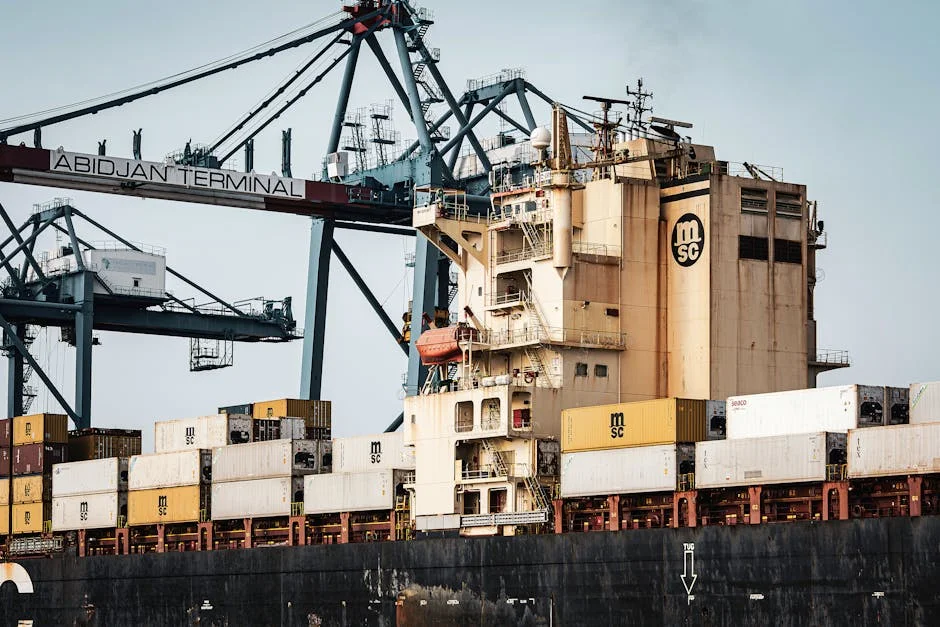
For the Indian economy, which relies heavily on maritime trade for both imports and exports, this news is particularly pertinent. India imports a significant portion of its energy, electronics, and raw materials via sea routes. Any increase in freight costs directly translates to higher landed costs for these essential commodities. The ripple effect can be seen in everything from the price of crude oil arriving in Mumbai to the cost of smartphones manufactured in Vietnam and sold in Delhi.
Analysts within the logistics sector suggest that the increase could be driven by a combination of supply-side constraints and demand-side surges. As global manufacturing hubs ramp up production, the need for container space intensifies. Simultaneously, disruptions in key waterways, such as the Red Sea and the Suez Canal, continue to add layers of complexity and cost to maritime routes. These factors combine to create a volatile environment where freight rates can swing dramatically within short periods.
Direct Impact on Indian Consumers and Daily Life
The most immediate consequence of rising freight costs for Indian citizens is an increase in the prices of consumer goods. Imported items, which form a substantial part of the retail landscape in metropolitan areas, are likely to see price tags go up. This includes electronics, luxury fashion, and even certain food items like fruits and spices that are not available in abundance during specific seasons. For the average shopper in cities like Bangalore or Chennai, this means that the cost of living could creep up, affecting household budgets.
Household Budgets Under Pressure
Families in India are already navigating a period of economic adjustment, with inflation rates showing signs of stabilization but not complete subsidence. A sudden spike in freight costs could disrupt this delicate balance. For instance, the price of imported cars, which are a status symbol for many middle-class families, could see a significant jump. Similarly, the cost of raw materials for local manufacturers may rise, leading to higher prices for domestically produced goods as well. This dual pressure from imported and domestic goods can strain household finances, reducing disposable income and potentially dampening consumer spending.
Small and medium-sized enterprises (SMEs) in India are also feeling the heat. Many SMEs rely on imported raw materials to keep their production costs competitive. When freight rates rise, these businesses face a tough choice: absorb the cost and see their profit margins shrink, or pass the cost on to consumers and risk losing market share. This dilemma is particularly acute for sectors like textiles, automotive components, and consumer electronics, where competition is fierce and margins are often thin. The ability of these businesses to adapt will have a direct impact on employment and local economic vitality.
The Role of Global Shipping Lines in the Indian Market
Global shipping lines play a pivotal role in connecting India to the rest of the world. Companies like Mitsui OSK Lines, Maersk, and CMA CGM operate extensive networks that ensure the steady flow of goods into Indian ports. The decisions made by these companies regarding capacity, pricing, and route optimization have a profound impact on the Indian logistics ecosystem. When a major player like Mitsui OSK Lines predicts a surge in freight rates, it often sets the tone for the entire market, influencing the pricing strategies of its competitors.
The Indian government is closely monitoring these developments. The Ministry of Shipping and the Ministry of Commerce and Industry are working to mitigate the impact of rising freight costs through various policy measures. These include enhancing port infrastructure, streamlining customs procedures, and negotiating bilateral trade agreements to secure better freight rates. However, the effectiveness of these measures depends on the broader global economic context, which is often beyond the control of any single nation.
Port congestion remains a significant challenge in India, particularly at major hubs like JNPT in Mumbai and Chennai Port. Delays at these ports can lead to demurrage charges, which are additional costs incurred by importers when containers are not picked up within the free time allotted. These hidden costs can add up quickly, further exacerbating the financial burden on businesses. Addressing port efficiency is therefore a critical component of managing the impact of rising freight rates.
Sector-Specific Implications for Key Industries
The impact of rising freight costs is not uniform across all sectors. Some industries are more vulnerable than others, depending on their reliance on imports and the elasticity of demand for their products. The electronics sector, for example, is highly sensitive to freight costs due to the volume of components imported from Asia. A rise in freight rates can squeeze the margins of electronics manufacturers and retailers, leading to higher prices for consumers. This sector is crucial for India’s digital transformation, making it a key area of focus for policymakers.
The automotive industry is another major player in the Indian economy that is sensitive to freight costs. India imports a significant amount of crude oil, which is the lifeblood of the automotive sector. Additionally, many car manufacturers import components from countries like Japan, Germany, and South Korea. Rising freight costs can increase the landed cost of these components, leading to higher prices for vehicles. This can affect consumer confidence and sales volumes, particularly in the passenger vehicle segment.
- Electronics: High sensitivity to component import costs
- Automotive: Impacted by crude oil and component prices
- Textiles: Raw material costs and export competitiveness at stake
- Retail: Imported goods face immediate price pressure
The textile industry, a major exporter from India, also faces challenges. While rising freight costs increase the cost of imported raw materials like cotton and synthetic fibers, they also affect the competitiveness of Indian textiles in global markets. If freight rates rise globally, Indian exporters may need to adjust their pricing strategies to remain competitive. This dynamic requires a nuanced approach to trade policy and logistics management.
Strategic Responses from Indian Businesses
In response to the forecasted rise in freight costs, Indian businesses are adopting various strategies to mitigate the impact. One common approach is to diversify supply chains to reduce dependence on a single source or route. Companies are looking at nearshoring options, where they source materials from countries geographically closer to India, such as Vietnam or Thailand, to reduce transit times and costs. This strategy can help buffer against sudden spikes in freight rates.
Another strategy is to negotiate long-term contracts with shipping lines to lock in favorable rates. This provides a degree of price stability, allowing businesses to plan their budgets more effectively. However, this approach requires a strong bargaining position and a good understanding of market trends. Smaller businesses may find it challenging to secure such contracts, giving an advantage to larger players in the market.
Technology is also playing a growing role in managing freight costs. Logistics companies are using data analytics and artificial intelligence to optimize routes, predict demand, and manage inventory more efficiently. These technologies can help reduce waste and improve the overall efficiency of the supply chain, thereby offsetting some of the impact of rising freight rates. Indian logistics firms are increasingly investing in these digital tools to stay competitive in a rapidly changing market.
Looking Ahead: What to Watch in the Coming Months
The coming months will be critical in determining the extent of the impact of rising freight costs on the Indian economy. Key indicators to watch include the quarterly earnings reports of major Indian importers and exporters, which will reveal how well these companies are managing the cost pressures. Additionally, the inflation data released by the Reserve Bank of India will provide insights into how freight costs are translating into consumer prices.
Policymakers will also be under scrutiny to see how effectively they can implement measures to stabilize the logistics sector. The success of initiatives to improve port efficiency and streamline customs procedures will be closely monitored. Furthermore, any developments in global geopolitical tensions, particularly in the Red Sea and the Suez Canal, will continue to influence freight rates. Businesses and consumers alike will need to remain agile and prepared for further adjustments in the market.
As the global supply chain continues to evolve, the interplay between freight costs, consumer prices, and economic growth will remain a central theme. The ability of Indian businesses to adapt to these changes will be a key determinant of the country’s economic resilience. For citizens, staying informed about these developments will help them make more informed decisions regarding their spending and savings. The journey ahead requires vigilance and strategic planning from all stakeholders in the Indian economic landscape.
See Also
- Indian-American Rancher Tesh Jennings Challenges Stereotypes About Indians
- Pakistan's J-10CE Fighter Challenges Eurofighter Typhoon — A New Era in Airpower?
Key indicators to watch include the quarterly earnings reports of major Indian importers and exporters, which will reveal how well these companies are managing the cost pressures. Electronics: High sensitivity to component import costs Automotive: Impacted by crude oil and component prices Textiles: Raw material costs and export competitiveness at stake Retail: Imported goods face immediate price pressure The textile industry, a major exporter from India, also faces challenges.