Hyderabad police detained dozens of volunteers on Tuesday as tensions escalated over the rapid felling of trees near the KBR National Park. The confrontation occurred in the heart of the city, where residents had gathered to halt construction activities that they argue are encroaching on the urban green lung. This incident marks a sharp rise in civic engagement regarding urban planning in Telangana’s capital.
Confrontation at the Green Lung
The scene at the KBR National Park boundary turned chaotic in the early hours of Tuesday morning. Volunteers, many of whom are long-time residents of the surrounding neighborhoods, formed human chains to protect ancient banyan and neem trees. Police responded with a swift and forceful crackdown, using batons and handcuffs to clear the area. At least thirty individuals were taken into custody during the initial phase of the protest.
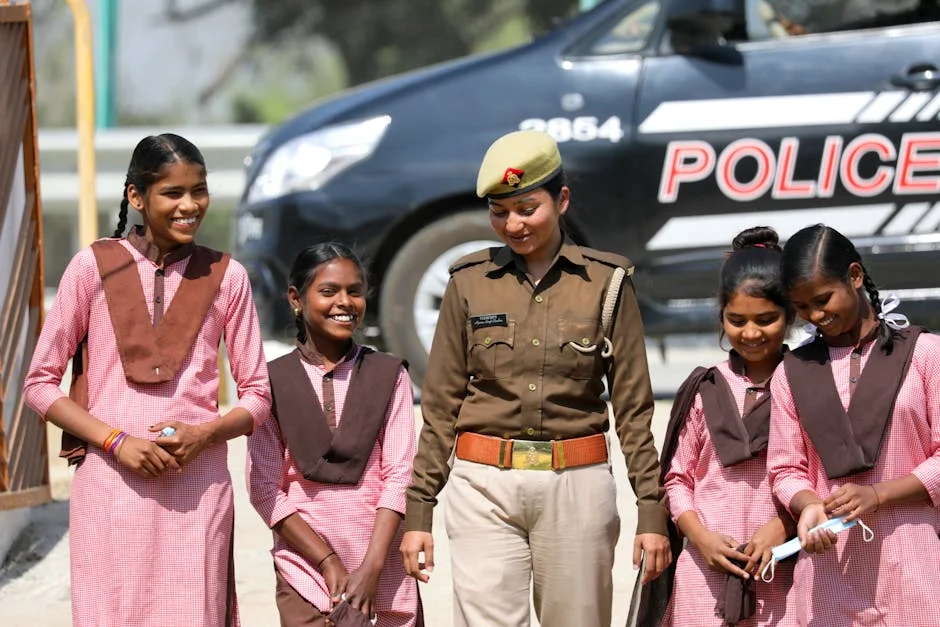
Local activists describe the police action as disproportionate to the relatively peaceful nature of the demonstration. Witnesses reported that several volunteers were dragged away from their posts, with some sustaining minor injuries to their backs and legs. The swift detention sends a clear message from the municipal authorities about the urgency of the construction timeline. This event has ignited a fierce debate about the balance between development and environmental preservation in Hyderabad.
Community Outcry and Local Impact
The KBR National Park is not just a recreational space; it is a critical ecological asset for Hyderabad. The park spans over one hundred acres and serves as a vital oxygen generator for the rapidly expanding metropolitan area. For the residents of neighborhoods like Secunderabad and Begumpet, the park is a daily refuge from the concrete jungle. The loss of trees directly impacts air quality and temperature regulation in these densely populated zones.
Voices from the Neighborhoods
Residents express deep concern that the current felling pace threatens the park’s ability to function as an effective heat sink. Many families rely on the park for morning walks and weekend picnics, making the disruption a direct hit to their quality of life. Community leaders argue that the municipal corporation has failed to consult with locals before approving the latest phase of road widening and infrastructure upgrades. This lack of transparency has fueled widespread frustration among the citizenry.
The social fabric of these communities is tightly woven around the park’s existence. Local schools often use the adjacent grounds for outdoor activities, and elderly residents consider the shaded pathways essential for their daily exercise routines. The detention of volunteers has galvanized these groups, turning what was initially an environmental issue into a broader civic rights movement. People are demanding more than just the trees; they want a say in how their city evolves.
Reasons Behind the Tree Felling
The municipal corporation cites the need for improved infrastructure as the primary driver for the tree removal. The project aims to widen access roads to the park, which have become congested due to the influx of visitors and nearby commercial developments. Officials argue that without these improvements, traffic bottlenecks will worsen, affecting commuters from across the city. The construction is part of a larger master plan to modernize Hyderabad’s public spaces.
However, critics point out that the selection of trees for felling appears haphazard. Many of the removed trees are mature specimens that would take decades to replace. Environmentalists argue that the benefits of wider roads do not outweigh the long-term ecological costs. The debate highlights a common challenge in Indian cities: balancing immediate infrastructural needs with long-term environmental sustainability. The lack of a detailed ecological impact assessment has further fueled public skepticism.
Police Strategy and Legal Framework
Hyderabad police have invoked several sections of the Code of Criminal Procedure to justify the detentions. The primary charge against the volunteers is "nuisance," which allows for quick processing and release on bond. This legal strategy aims to minimize the duration of the protest while keeping the construction site accessible. Police officials state that the decision to detain was necessary to prevent a potential stampede in the narrow park entrances.
The use of police force in an environmental protest is not uncommon in India, but it often sparks legal challenges. Lawyers for the detained volunteers have filed for anticipatory bail, arguing that the right to protest is a fundamental freedom. The courts will need to weigh the municipal corporation’s right to execute public works against the citizens’ right to assemble and demonstrate. This legal battle could set a precedent for future environmental protests in the region.
Economic and Social Consequences
The disruption caused by the protest has had immediate economic effects on local businesses. Shops and cafes surrounding the park have seen a dip in footfall as the area becomes less accessible and more chaotic. Small vendors who rely on the steady stream of park visitors are feeling the pinch, with many reporting a twenty percent drop in daily revenue. This economic pressure adds another layer of complexity to the community’s response to the felling.
Socially, the incident has created a divide between those who prioritize rapid development and those who advocate for environmental conservation. Social media platforms are flooded with opinions, with hashtags related to the KBR National Park trending locally. This digital mobilization has helped to keep the issue in the public eye, putting pressure on local politicians to take a stance. The polarized views reflect a broader national conversation about urban growth in India.
What Comes Next for Hyderabad
The immediate future of the KBR National Park remains uncertain. The municipal corporation has indicated that construction will resume once the current legal hurdles are cleared. However, the sustained public pressure may force a reconsideration of the project’s scope. Activists are planning a larger rally next week, aiming to gather signatures for a petition to halt further tree felling until a comprehensive audit is conducted.
Citizens should watch for an official statement from the Telangana Urban Development Ministry in the coming days. This statement will likely outline the government’s stance on the protest and the projected timeline for the park’s renovation. The outcome of this dispute will serve as a test case for how Hyderabad manages the tension between modernization and environmental stewardship. The eyes of the city are firmly on the park, waiting to see if the green space can survive the concrete tide.
See Also
- Kozhikode Residents Demand Clarity on Rajan's Mysterious Death — 50 Years Later
- Khelo India MP: A New Dawn for Sports Development in Madhya Pradesh
The debate highlights a common challenge in Indian cities: balancing immediate infrastructural needs with long-term environmental sustainability. The lack of a detailed ecological impact assessment has further fueled public skepticism.
What is the latest news about hyderabad police detain protesters at kbr national park?
Why does this matter for sports?
What are the key facts about hyderabad police detain protesters at kbr national park?