Air India has abruptly terminated flights to several key domestic and international destinations, sending shockwaves through the travel sector. The state-owned carrier cited soaring fuel costs as the primary driver for these cuts, a move that directly impacts thousands of passengers and local economies. This decision comes at a critical juncture for Indian aviation, where price sensitivity among travelers is at an all-time high.
Immediate Disruptions Across Key Routes
The airline's latest announcement confirms the suspension of services to multiple cities, including several regional hubs that rely heavily on connectivity. Passengers traveling from Mumbai and Delhi have already faced cancellations, leading to long queues at major terminals. The sudden halt in operations has left many travelers stranded, forcing last-minute bookings on competing carriers.
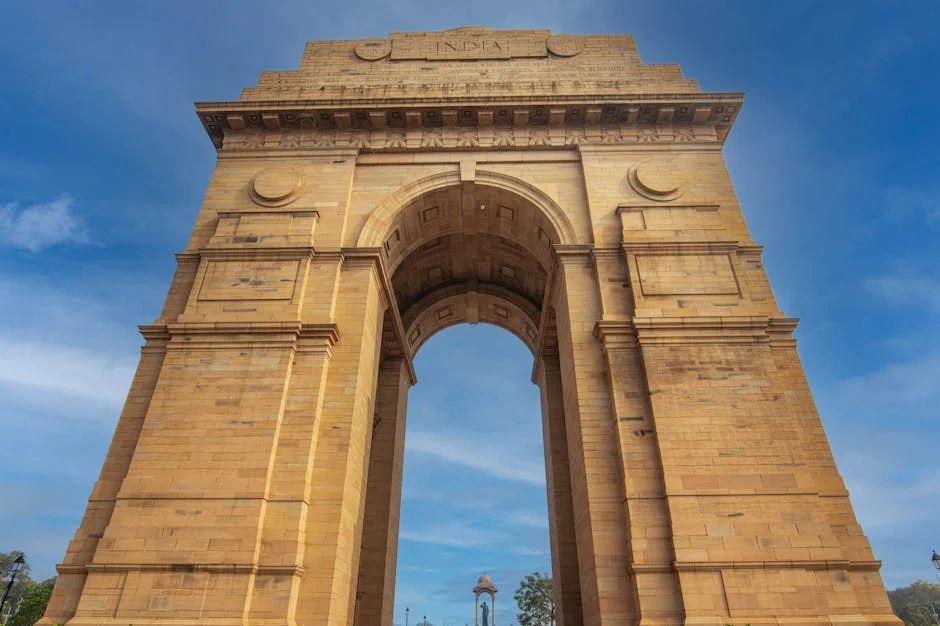
Local businesses in these affected regions are feeling the pinch immediately. Hotels, restaurants, and taxi services that depend on steady tourist and business traffic are reporting a noticeable dip in daily revenue. In cities like Bangalore and Hyderabad, the reduction in flight frequency has made travel planning significantly more complex for residents.
Regional Economic Ripple Effects
The impact extends beyond immediate passenger inconvenience. Small and medium enterprises that rely on air freight for time-sensitive goods are facing higher logistics costs. Suppliers in Gujarat and Maharashtra have noted delays in receiving raw materials, which could slow down production lines. This disruption highlights the fragile interdependence of regional economies on efficient air connectivity.
Community leaders in these areas are calling for immediate intervention. Local merchant associations in Chennai and Kolkata have urged the aviation ministry to provide clarity on the timeline for resuming services. The uncertainty is causing anxiety among small business owners who operate on thin margins. They fear that prolonged disruptions could lead to permanent shifts in consumer behavior.
Fuel Prices: The Core Driver
Jet fuel accounts for nearly 40% of an airline's operating costs, making it the single largest expense for carriers. Recent global market fluctuations have pushed these prices to record highs, squeezing profit margins for even the largest players. Air India, despite its recent merger and expansion, is not immune to these financial pressures. The company has had to make tough choices to maintain financial stability.
The correlation between crude oil prices and airline ticket fares is direct and immediate. When fuel costs rise, airlines either absorb the cost or pass it on to consumers through higher fares. In the current economic climate, Indian passengers are increasingly price-sensitive, often opting for trains or buses if airfares become too steep. This dynamic forces airlines to carefully balance capacity and pricing strategies.
Industry analysts point out that the volatility in the energy sector is not unique to India. However, the competitive landscape in the Indian aviation market intensifies the pressure. With low-cost carriers aggressively targeting market share, full-service airlines like Air India must optimize their route networks to remain viable. Cutting less profitable routes is a strategic necessity, even if it causes short-term inconvenience.
Passenger Experience and Consumer Sentiment
Travelers have expressed frustration over the lack of advance notice regarding these cancellations. Many passengers found themselves scrambling for alternative transport options just hours before their scheduled departures. Social media platforms have been flooded with complaints about customer service delays and refund processing times. This erosion of consumer trust is a significant challenge for the airline.
The financial burden on passengers is also considerable. Business travelers often face higher costs when forced to book last-minute flights on competitors. Leisure travelers, on the other hand, might delay their trips, leading to a ripple effect on the hospitality sector. The uncertainty makes it difficult for families to plan vacations, potentially dampening the festive travel season.
Customer loyalty programs are being tested by these disruptions. Frequent flyers who had accumulated points are now questioning the value of their status if flights are consistently cancelled. Air India must address these concerns proactively to retain its core customer base. Offering flexible rebooking options and transparent communication are essential steps to rebuild confidence.
Strategic Response from Air India
Air India’s management has emphasized that these route cuts are part of a broader strategy to optimize the fleet and improve operational efficiency. The airline is focusing on high-yield routes where demand remains strong, even in the face of rising costs. This strategic pivot aims to strengthen the balance sheet and prepare for future growth. It is a calculated move to ensure long-term sustainability.
The company is also exploring hedging strategies to mitigate the impact of fuel price volatility. By locking in fuel prices for future periods, airlines can reduce the uncertainty associated with energy costs. However, hedging requires significant capital outlay, which can strain cash flows in the short term. Air India must balance these financial instruments with its overall liquidity position.
Operational adjustments are being made across the network to minimize disruptions. The airline is redeploying aircraft to routes with higher load factors, ensuring that planes are flying full rather than half-empty. This optimization helps to spread the fixed costs over more passengers, thereby reducing the cost per seat. It is a critical step in maintaining profitability during challenging market conditions.
Regulatory and Policy Implications
The aviation ministry is closely monitoring the situation to assess the broader impact on the sector. Regulators are considering whether temporary subsidies or tax reliefs could help stabilize the market. The goal is to prevent a cascading effect where one airline’s cuts trigger similar moves by competitors. Policy interventions could play a crucial role in maintaining connectivity in regional airports.
Stakeholders are urging the government to review fuel taxes and landing fees, which add to the operational costs of airlines. Reducing these non-fuel expenses could provide some relief to carriers and, by extension, to passengers. The discussion around fiscal policy in aviation is gaining momentum as the sector faces mounting pressures. A balanced approach is needed to support both airlines and consumers.
The competition commission is also keeping a watchful eye on the market dynamics. With Air India adjusting its network, competitors may seize the opportunity to expand their presence on affected routes. This could lead to increased competition, which might benefit consumers through lower fares. However, it could also lead to market consolidation if smaller players struggle to cope with the changing landscape.
Looking Ahead: What Passengers Should Watch
Travelers should expect continued volatility in flight schedules over the coming weeks. Air India is likely to announce further adjustments as it refines its route network in response to fuel price trends. Passengers are advised to book flights well in advance and consider flexible ticket options to mitigate the risk of cancellations. Staying informed about airline announcements will be crucial for smooth travel experiences.
The aviation sector will remain under scrutiny as fuel prices continue to fluctuate. Industry observers will be watching for signs of stabilization or further escalation in costs. The response of other major carriers, such as Indigo and Vistara, will also provide insights into the broader market trends. A coordinated industry response could help manage the impact on consumers.
Policy makers are expected to release a detailed assessment of the sector’s health in the next quarter. This report will likely include recommendations for short-term relief measures and long-term structural reforms. The outcome of this review will shape the strategic direction of Indian aviation in the years to come. Citizens and businesses should monitor these developments closely as they will have direct implications for travel and logistics costs.
See Also
- IndiGo hikes fares as Middle East tensions push up fuel costs
- Suvendu Adhikari Set to Become West Bengal’s Next Chief Minister
The response of other major carriers, such as Indigo and Vistara, will also provide insights into the broader market trends. Air India must address these concerns proactively to retain its core customer base.
What is the latest news about air india slashes routes as fuel costs squeeze profits?
Why does this matter for politics-governance?
What are the key facts about air india slashes routes as fuel costs squeeze profits?