UNESCO has confirmed severe structural and artistic damage across multiple heritage sites in the Middle East, signaling a deepening crisis for regional cultural identity. This assessment highlights how ongoing conflicts are not just destroying buildings but erasing the tangible history that binds local communities together. For citizens in these regions, the loss is immediate and deeply personal, affecting tourism, local economies, and social cohesion.
Heritage Sites Under Siege
The United Nations Educational, Scientific and Cultural Organization released its latest field reports detailing the deterioration of key landmarks. These sites, ranging from ancient mosques to colonial-era galleries, have suffered from direct shelling and neglect. The damage extends beyond aesthetics, striking at the heart of how communities remember their past. In cities like Damascus and Beirut, these structures serve as daily backdrops for millions of residents.
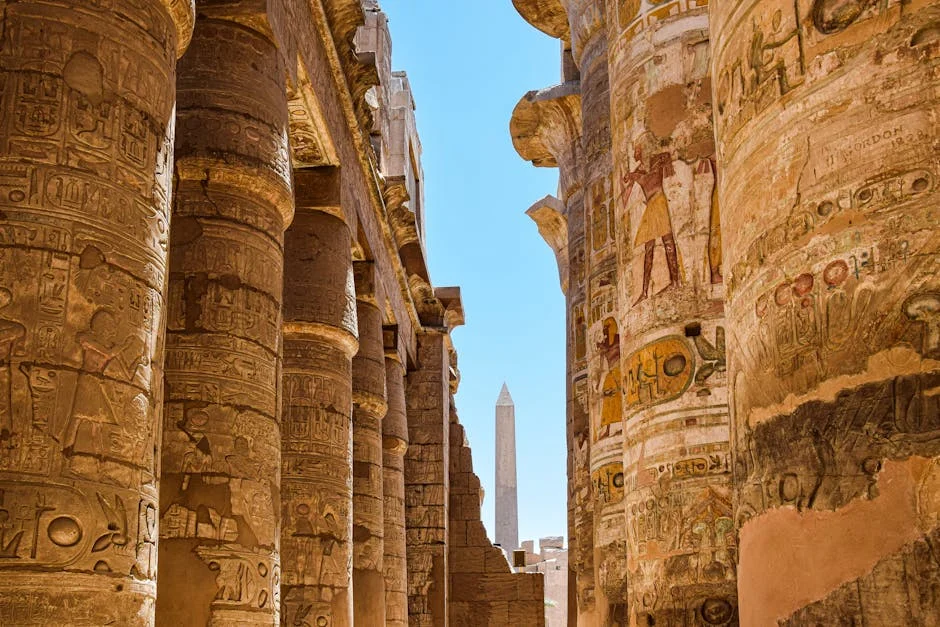
Local artisans and historians are watching their livelihoods vanish alongside the art. The destruction disrupts the supply chains for traditional crafts that rely on these historic centers for patronage and display. When a gallery collapses, it is not just a roof falling; it is a marketplace closing. This economic ripple effect is felt by shop owners, guides, and street vendors who depend on the foot traffic generated by these cultural hubs.
Community Response and Daily Life
Residents in affected neighborhoods have organized spontaneous cleanup crews to salvage what they can. In Aleppo, for example, locals have used sandbags and tarps to protect remaining murals from rain and dust. These grassroots efforts demonstrate a fierce determination to preserve identity despite the chaos. The emotional toll is significant, as families gather around fragments of their shared history to find a sense of continuity.
Social Fragmentation and Memory
The loss of communal spaces exacerbates social fragmentation within these regions. Heritage sites often act as neutral grounds where diverse groups can converge. Without these anchors, communities risk becoming more insular and divided. Elders fear that younger generations may lose connection to their roots if the physical evidence of their history disappears. This psychological impact is as damaging as the economic loss.
Community leaders are calling for urgent intervention to stabilize these areas. They argue that preserving culture is a prerequisite for long-term peace and reconciliation. When people feel their history is being erased, trust in governing institutions often declines. This erosion of trust makes post-conflict recovery significantly more difficult for policymakers and diplomats alike.
Economic Consequences for Local Economies
The tourism sector, a major employer in many Middle Eastern countries, is facing a steep decline. Revenue from heritage tourism supports thousands of jobs, from hotel staff to transport operators. With sites closed or damaged, this income stream is drying up, leading to higher unemployment rates in rural and urban centers. Small businesses that cater to visitors are struggling to stay afloat.
Investors are becoming increasingly cautious about committing capital to these regions. The perception of instability, reinforced by the visible decay of cultural landmarks, deters foreign direct investment. This creates a vicious cycle where economic stagnation leads to further neglect of heritage sites. Local governments, often stretched thin by immediate security concerns, struggle to allocate funds for restoration.
The financial burden of restoration is immense and often exceeds local budgets. Without significant international aid, many sites may remain in a state of partial ruin for decades. This uncertainty affects property values and commercial activity in the surrounding areas. Businesses hesitate to expand when the infrastructure around them is in flux.
UNESCO’s Strategic Intervention
UNESCO is coordinating with local ministries to prioritize the most vulnerable sites. The organization is deploying engineers and archaeologists to assess the structural integrity of key buildings. These experts work closely with local communities to ensure that restoration efforts respect traditional methods. This collaborative approach aims to empower locals and build long-term capacity for heritage management.
Funding mechanisms are being streamlined to get money to the ground faster. Grants are being allocated for emergency stabilization projects to prevent further collapse. UNESCO is also leveraging its global platform to raise awareness about the crisis. This visibility is crucial for attracting donations from private foundations and foreign governments.
The organization emphasizes that cultural preservation is a peacebuilding tool. By saving shared heritage, communities can rebuild social fabric. UNESCO’s reports highlight success stories where restored sites have become symbols of resilience. These examples provide hope and a roadmap for other regions facing similar challenges.
What to Watch Next
The next six months will be critical for determining the long-term fate of these heritage sites. UNESCO plans to release a detailed funding proposal to member states by the end of the quarter. Local communities are preparing for potential seasonal weather that could exacerbate existing damage. Citizens should monitor announcements from regional cultural ministries for updates on site access and restoration timelines.
See Also
- India Braces for US-Iran Tensions — RBI Confirms Economic Resilience
- Delhi Forces Firms to Adopt 2-Day WFH to Ease Traffic
Local governments, often stretched thin by immediate security concerns, struggle to allocate funds for restoration. Without significant international aid, many sites may remain in a state of partial ruin for decades.
What is the latest news about unesco exposes art loss in middle east communities fear erasure?
Why does this matter for education?
What are the key facts about unesco exposes art loss in middle east communities fear erasure?