Yara International has issued a stark warning that an escalating conflict in Iran could jeopardize food security for billions of people worldwide. The Norwegian fertilizer giant states that supply chain disruptions and rising energy costs are already beginning to squeeze global agricultural output. For consumers in emerging markets, this translates directly into higher prices at the local grocery store.
The company’s leadership emphasizes that the stability of the Middle Eastern region is critical for maintaining the flow of nitrogen-based fertilizers. These inputs are essential for high-yield crops like wheat, corn, and rice. Any prolonged disruption threatens to trigger a new wave of inflation for staple foods across Asia and Africa.
Yara’s Warning on Global Supply Chains

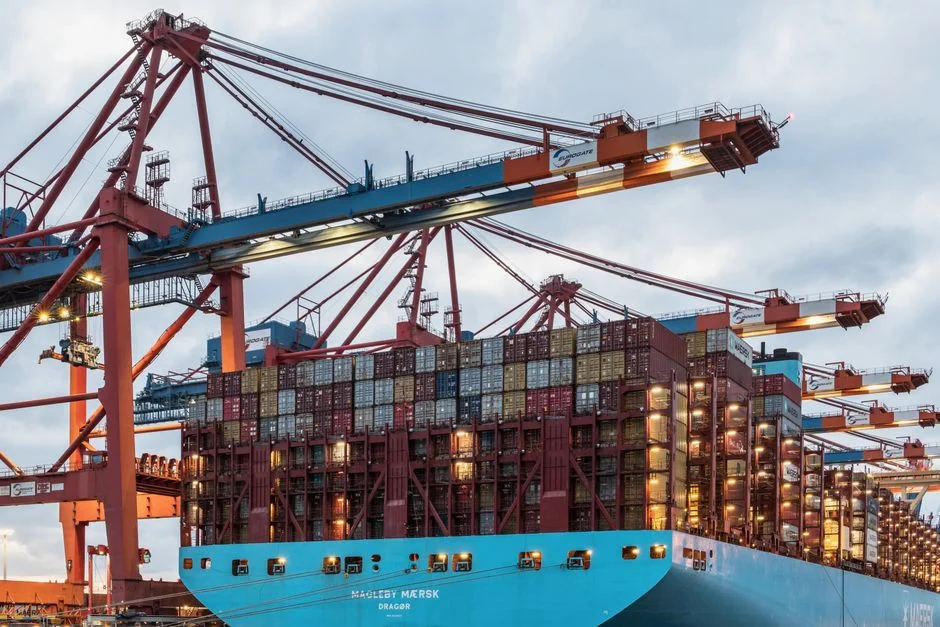
Yara International, one of the world’s largest producers of nitrogen fertilizers, is closely monitoring the geopolitical situation in Iran. The company’s executives have noted that Iran is a key player in the regional logistics network that moves raw materials and finished goods. A full-scale war could shut down critical shipping lanes and increase insurance premiums for tankers.
According to recent statements from Yara’s management, the cost of natural gas—a primary feedstock for fertilizer production—could surge if Iranian oil fields are targeted. Higher gas prices mean higher production costs for Yara and its competitors. These costs are inevitably passed on to farmers, who then adjust the price tags on their harvest.
The scale of the potential impact is massive. Billions of meals depend on a steady supply of affordable fertilizer to maintain current yield levels. Without it, crop yields could drop by single-digit percentages, which might seem small but represents millions of tons of lost food. This loss would be most acutely felt in regions that rely heavily on food imports.
How Iran Developments Affect Indian Consumers
For India, the world’s second-most populous nation, the implications of an Iran conflict are direct and immediate. India imports a significant portion of its natural gas and crude oil from the Persian Gulf region. Disruptions in Iran would cause fuel prices to rise, affecting everything from transportation to electricity generation.
Agricultural inputs are particularly sensitive to these changes. Indian farmers rely on urea and other nitrogen fertilizers to maximize output on relatively small plots of land. If Yara and other major suppliers raise prices due to increased production or logistics costs, the cost of farming in states like Punjab and Haryana will climb. This pressure forces farmers to either absorb the cost or raise the price of their crops.
Impact on Daily Food Prices
The ripple effect reaches the kitchen tables of millions of Indian citizens. Wheat and rice are the two most consumed staples in the country. If fertilizer costs rise by even 10%, the price of these grains could see a noticeable uptick within a single harvest cycle. For low-income households, a small percentage increase in food prices can mean a significant reduction in purchasing power.
Inflation in the food sector has a disproportionate effect on the region’s economy. When food prices go up, workers demand higher wages, which can lead to broader inflationary pressures. The Reserve Bank of India may need to adjust interest rates to cool down the economy, further impacting mortgages and loans for families across the country.
Why Yara Matters for Regional Stability
Yara’s influence extends beyond its balance sheet; it is a barometer for global agricultural health. As a major exporter, Yara’s pricing strategies and production volumes signal the overall tightness of the fertilizer market. Investors and policymakers watch Yara’s reports to gauge the severity of supply constraints.
The company has invested heavily in green ammonia and carbon capture technologies to reduce its reliance on volatile natural gas markets. However, these transitions take time and capital. In the short term, Yara remains vulnerable to the same energy price shocks that affect its smaller competitors. This vulnerability underscores the interconnectedness of global energy and food systems.
For regional stakeholders, understanding Yara’s position helps in anticipating market moves. If Yara announces production cuts or price hikes, it often indicates that the broader market is tightening. This information allows governments and distributors to plan their inventory strategies more effectively to mitigate shortages.
Community Response and Local Economic Impact
Local communities are already feeling the early tremors of global uncertainty. In agricultural hubs, farmers are expressing anxiety about the cost of the upcoming planting season. They are looking for clarity on fertilizer prices before committing to large purchases of urea and phosphates.
Cooperatives and local trading firms are adjusting their buying patterns in response to Yara’s warnings. Some are locking in contracts early to secure better rates, while others are holding back, waiting to see if prices stabilize. This hesitation can lead to temporary shortages in rural markets, affecting the timing of sowing and harvesting.
The social impact is also becoming visible. In areas where agricultural wages are tied to crop prices, any delay in harvest or reduction in yield affects the daily income of laborers. This can reduce spending in local shops and services, creating a slow-down in the regional economy that extends beyond the farm gate.
What to Watch Next
Stakeholders should monitor Yara’s quarterly earnings reports for updates on production volumes and margin pressures. These reports will provide concrete data on how the geopolitical situation is affecting the company’s bottom line and, by extension, global fertilizer availability.
Additionally, the Indian government’s subsidy announcements for the upcoming agricultural season will be a critical indicator of how policymakers plan to cushion farmers from rising input costs. Any changes in subsidy rates will directly influence the final price paid by farmers and, ultimately, consumers.
The next major milestone will be the announcement of winter crop yields in India, which will reveal whether supply chain disruptions have already impacted production. This data will help determine if food price inflation is likely to persist into the next fiscal year, guiding investment and consumption decisions for millions of households.
See Also
- Congress Picks VD Satheesan For Kerala, BJP Fires 'Muslim League' Jibes
- Karnataka Congress Faces Leadership Crisis Ahead of Key CLP Meeting Tomorrow
The next major milestone will be the announcement of winter crop yields in India, which will reveal whether supply chain disruptions have already impacted production. Additionally, the Indian government’s subsidy announcements for the upcoming agricultural season will be a critical indicator of how policymakers plan to cushion farmers from rising input costs.