The United States Navy has deployed a new shipping convoy through the Strait of Hormuz, triggering an immediate and aggressive response from Tehran. Iranian military commanders have warned that any disruption to their oil exports could lead to direct military action against American assets. This geopolitical standoff is not merely a regional dispute; it sends shockwaves through the global energy market, directly impacting fuel prices in India.
Immediate Tensions in the Chokepoint
The Strait of Hormuz is the world’s most critical oil transit chokepoint. Approximately 21 million barrels of crude oil pass through this narrow waterway every single day. For India, which imports over 80% of its crude from the Persian Gulf, this route is the lifeline of the national economy. Any blockage or threat to free flow immediately translates to higher costs for Indian refiners and consumers.
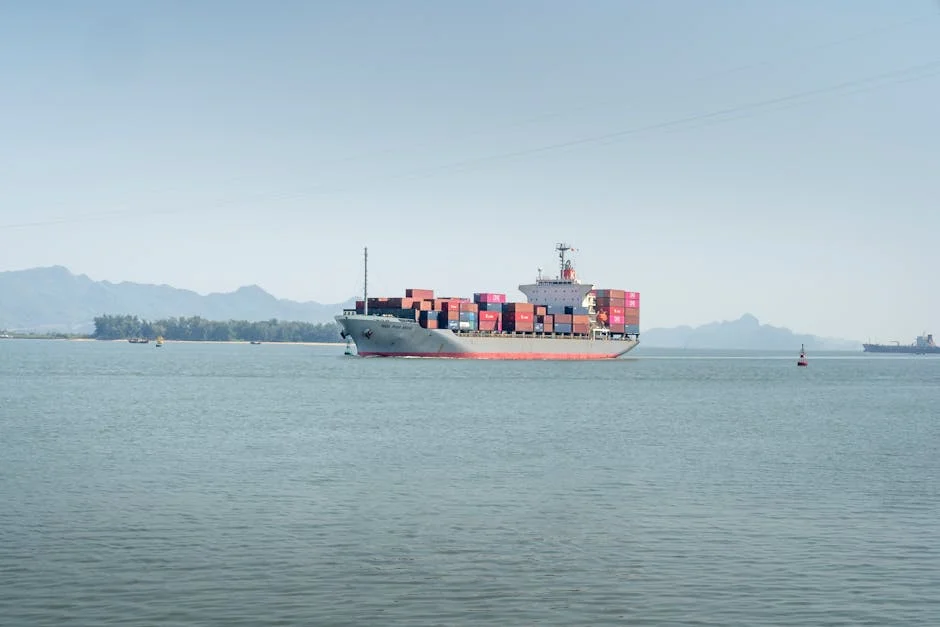
Iran has positioned several corvettes and frigates near the shipping lanes to signal its readiness. The Islamic Republic of Iran Navy (IRIN) has issued statements demanding that US warships respect the 12-nautical-mile territorial limit. These moves are designed to create uncertainty among international shipping companies, which often rely on insurance premiums and routing decisions to gauge risk.
Indian oil marketing companies are watching the situation closely. State-owned giants like Indian Oil Corporation (IOC) and Bharat Petroleum Corporation Limited (BPCL) have begun adjusting their procurement strategies. They are looking at alternative sources from West Africa and the Americas to hedge against potential supply disruptions in the Gulf. This strategic pivot requires quick decision-making and capital expenditure.
Direct Impact on Indian Consumers
The most visible consequence for the average Indian citizen is the price at the pump. When tensions rise in the Strait, global crude prices tend to surge. Even a modest increase of $2 per barrel can add roughly ₹15 to ₹20 to the price of petrol per litre in major Indian cities. This inflationary pressure affects everything from daily commutes in Mumbai to logistics costs for goods delivered in Delhi.
Transportation costs form a significant portion of the retail price of essential commodities. If diesel prices rise, the cost of moving vegetables, grains, and manufactured goods increases. This creates a ripple effect across the Indian economy, potentially pushing up inflation rates. The Reserve Bank of India will need to monitor these external shocks carefully to decide on future interest rate adjustments.
Household Budgets and Inflation
Families in metropolitan areas are already feeling the pinch. With electricity tariffs linked to fuel costs, any spike in oil prices can lead to higher power bills. For middle-class households in cities like Chennai and Bangalore, this means tighter monthly budgets. Small businesses, which rely heavily on logistics, may also pass on these costs to end consumers, reducing overall purchasing power.
The government may need to intervene by adjusting excise duties on petrol and diesel. In previous years, New Delhi has reduced taxes to cushion the impact of rising global oil prices. However, this fiscal maneuvering reduces government revenue, which could affect spending on infrastructure and social welfare programs. The balance between keeping prices low and maintaining fiscal health is delicate.
Strategic Implications for Regional Trade
Beyond immediate prices, the stability of the Strait affects long-term investment decisions. Multinational companies operating in India consider supply chain reliability when planning expansion. If the Strait becomes a volatile zone, businesses might accelerate their "China Plus One" strategy, diversifying suppliers to reduce dependency on Gulf oil and gas. This shift could benefit Indian manufacturing sectors that import raw materials from the region.
Indian diplomatic efforts are also intensifying. The Ministry of External Affairs is likely engaging with both Washington and Tehran to ensure that Indian interests are protected. India has historically maintained a balanced relationship with both powers. This neutrality allows New Delhi to negotiate better terms for its energy imports and secure stable supply agreements even during times of diplomatic friction.
The shipping industry is responding by increasing insurance premiums for vessels passing through the zone. This additional cost is eventually borne by the importers. For Indian importers of chemicals, plastics, and refined petroleum products, the margin for error shrinks. They must negotiate contracts that include clauses for force majeure events to protect against sudden price hikes.
What to Watch Next
The coming weeks will be critical for determining the scale of the impact. Investors and policymakers should monitor the daily Brent Crude price and the specific movements of US naval task forces. If Iran decides to seize a key tanker or close the strait temporarily, the shock to the Indian economy could be immediate and severe. The next major diplomatic meeting between Indian and American officials will likely focus on energy security guarantees.
See Also
- Mother of Indian Bride Arrested Amid Death Investigation — Public Outrage Grows
- Karnataka Passes Rohith Vemula Bill — Dalit Students Gain New Rights
What to Watch Next The coming weeks will be critical for determining the scale of the impact. In previous years, New Delhi has reduced taxes to cushion the impact of rising global oil prices.
What is the latest news about iran threatens hormuz shipping oil prices spike for india?
Why does this matter for entertainment?
What are the key facts about iran threatens hormuz shipping oil prices spike for india?