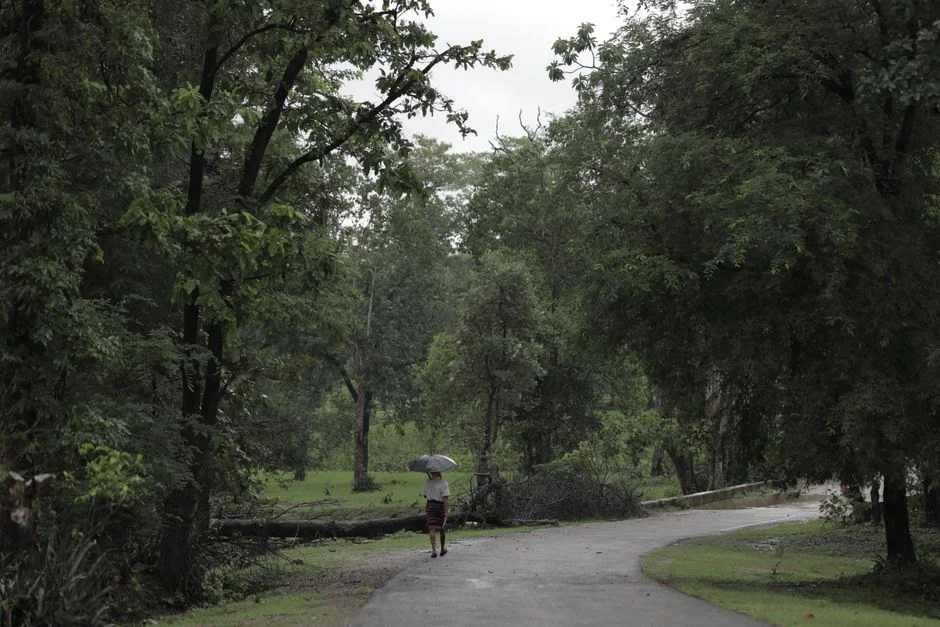
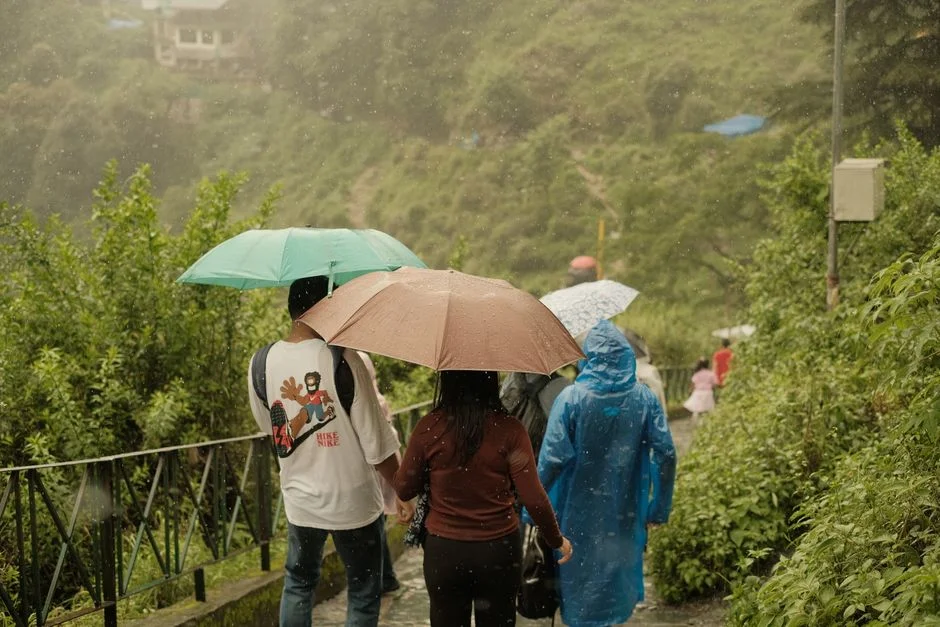
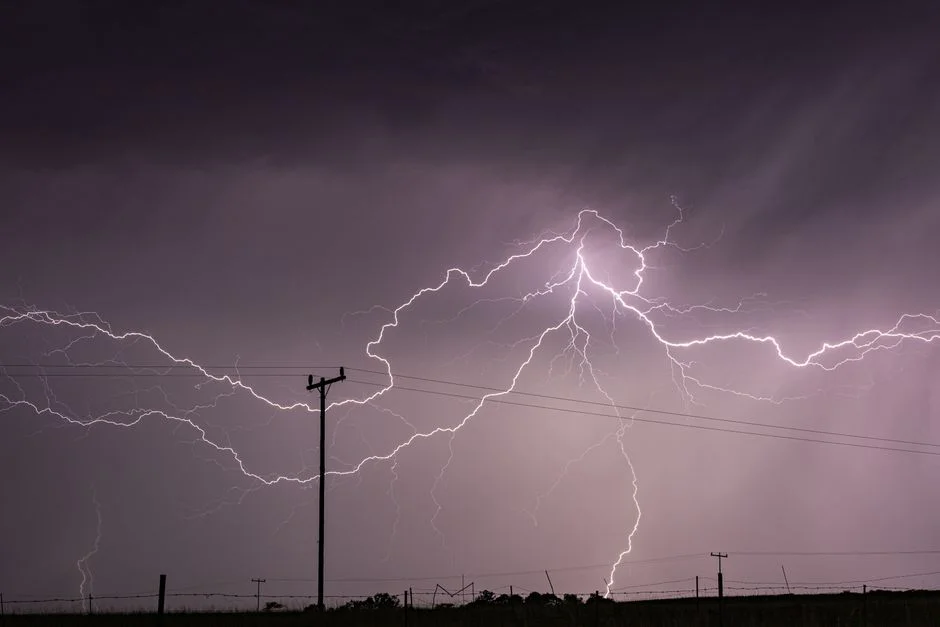
Delhi residents face a sudden shift in weather patterns as the India Meteorological Department (IMD) issues an orange alert for thunderstorms across the national capital. This warning signals a high probability of heavy rainfall, gusty winds, and potential lightning strikes that could disrupt daily routines. The alert remains active for the next 48 hours, affecting key districts including South Delhi, North West Delhi, and the Central Delhi region.
Immediate Impact on Daily Commute
The most immediate consequence for Delhi citizens is the disruption of transportation networks. Heavy rain often turns poorly drained roads into temporary waterlogged stretches, slowing down traffic significantly. Metro rail services, while largely elevated, may experience minor delays due to reduced visibility and signal adjustments at key stations like Rajiv Chowk and Chandni Chowk.
Commuters relying on private vehicles and two-wheelers should prepare for longer travel times. The Delhi Transport Department has advised drivers to allow an extra 30 to 45 minutes for their morning and evening commutes. Accidents are more likely when roads become slippery, particularly on older asphalt surfaces in areas like Paharganj and Karol Bagh. Pedestrians near busy intersections need to watch for sudden gusts that can topple temporary structures or signage.
Local Economy and Small Businesses
Small businesses in Delhi’s bustling markets are bracing for a temporary dip in footfall. Shop owners in areas like Sarojini Nagar and Khan Market often see reduced sales during heavy downpours as customers prefer to stay indoors. Street vendors, who form the backbone of Delhi’s informal economy, face significant challenges when rain halts sales for hours at a time.
The hospitality sector may experience mixed results. While outdoor cafes suffer, restaurants with robust indoor seating often see a surge in diners seeking shelter from the rain. Hotel bookings in central Delhi might increase slightly due to delayed train connections from surrounding states. However, construction sites across the region may face work stoppages, potentially pushing back completion deadlines for ongoing infrastructure projects.
Power Supply and Utility Challenges
Thunderstorms frequently trigger power fluctuations in Delhi. The Delhi Electricity Regulatory Commission has warned of potential voltage spikes that could damage sensitive electronic appliances. Residents are advised to use stabilizers for older television sets and refrigerators. Power cuts, though usually brief, can disrupt work-from-home setups and online classes for students.
Water supply systems may also face minor interruptions. Heavy rain can sometimes lead to temporary turbidity in tap water as sediment enters the distribution network. The Delhi Jal Board has advised residents to let the water run for a few minutes before using it for cooking if the supply appears cloudy. This precaution helps ensure that the water remains safe for consumption during the storm.
Health and Community Well-being
Health experts warn that sudden temperature drops after the monsoon rains can lead to an increase in respiratory ailments. Delhi hospitals in areas like Safdarjung and AIIMS often see a rise in patients with cold, cough, and fever symptoms during such weather shifts. Elderly citizens and young children are particularly vulnerable to these changes.
Allergy sufferers may find relief from dust but could face new challenges with mold growth in humid conditions. The Department of Health and Family Welfare has urged residents to keep their living spaces well-ventilated to prevent dampness. Using dehumidifiers or simple fans can help maintain air quality indoors. Communities are also encouraged to clear drainage channels around their homes to prevent stagnant water, which is a breeding ground for mosquitoes.
Schools and Educational Institutions
Educational institutions across Delhi are monitoring the weather closely. The Delhi School Education Department has issued guidelines for schools to declare a half-day or a full-day holiday if the rain intensity exceeds moderate levels. Parents are advised to check official school notices via SMS or email apps for the latest updates. Playgrounds and outdoor sports activities are likely to be postponed to prevent slips and falls.
University campuses, especially those with older buildings, may face issues with roof leaks and basement flooding. The University of Delhi has instructed its maintenance teams to be on high alert. Students commuting from outer districts like Rohini and Dwarka should consider taking the metro instead of buses, as bus routes are more prone to delays during heavy thunderstorms.
What to Watch Next
The IMD will update the weather forecast every six hours. Residents should monitor the official Delhi Weather app or local news channels for real-time updates. The orange alert may be upgraded to red if wind speeds exceed 50 km/h or if rainfall intensity increases sharply. Authorities will announce any changes to traffic routes or public transport schedules as the storm progresses. Stay prepared by keeping essential items like umbrellas, raincoats, and charged power banks handy for the next two days.
See Also
- Steyn Secures Seventh Win as Jantjies Shocks at Two Oceans South African
- Messi Meets Trump at White House: What the Encounter Means for Fans and Communities
Health and Community Well-being Health experts warn that sudden temperature drops after the monsoon rains can lead to an increase in respiratory ailments. The Delhi Jal Board has advised residents to let the water run for a few minutes before using it for cooking if the supply appears cloudy.