The historic Palazzo Napoleonico in Rome has welcomed a major cultural event with the arrival of the play “L’imperatrice e la sorella. Ombre di potere.” This production follows a successful premiere in Lucca, bringing fresh energy to the capital’s theatre scene. Local residents and tourists now have a new cultural anchor to explore in the heart of the city.
This staging represents more than just an artistic endeavor; it signals a strategic push to revitalize Rome’s mid-week cultural consumption. The venue, located near the Spanish Steps, offers a prime location for both locals and visitors. The move from Lucca to Rome highlights the growing demand for immersive historical narratives in Italian cities.
Why This Production Matters for Rome’s Cultural Landscape
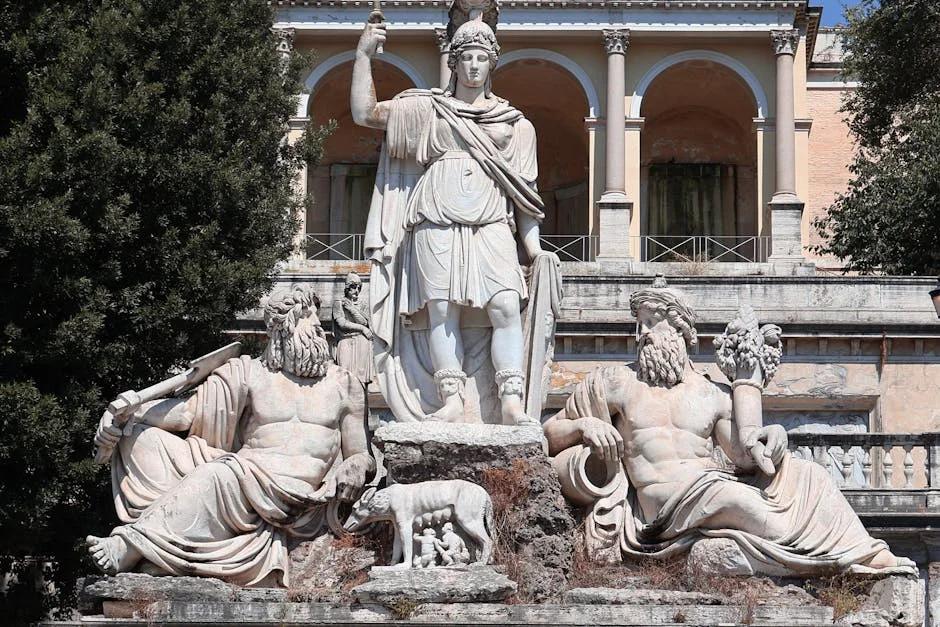
Rome’s theatre district has seen fluctuating attendance figures over the last three years. The introduction of “L’imperatrice e la sorella” aims to stabilize these numbers by offering a unique blend of history and drama. The play focuses on the complex relationship between an empress and her sister, exploring themes of power and shadow.
For the local community in the Piazza del Popolo area, this means increased foot traffic in the evenings. Small businesses nearby, including cafes and souvenir shops, stand to benefit from the influx of patrons. The production runs for several weeks, providing a sustained boost rather than a one-off event. This consistency helps local economies recover from post-pandemic volatility.
The choice of the Napoleonico is strategic. The building itself is a historical monument, adding layers of context to the performance. Visitors experience the play within a space that echoes the very era it depicts. This synergy between venue and content enhances the overall visitor experience, making it a compelling reason to visit Rome.
Local Economic Impact
Small business owners in the surrounding streets have expressed optimism about the upcoming season. The steady stream of theatre-goers can fill seats at restaurants that often remain half-empty on weeknights. This direct economic injection is crucial for the survival of independent enterprises in a competitive market.
Tour operators are also adjusting their itineraries to include this new attraction. This integration into standard tour packages ensures a consistent flow of international visitors. The ripple effect extends to hotel bookings, as tourists may extend their stays to catch the performance.
From Lucca to Rome: The Journey of a Hit Play
The play first captivated audiences in Lucca, a city known for its rich artistic heritage. Its success there proved that historical dramas still resonate with modern audiences. The decision to bring it to Rome was driven by the need for a larger stage and a more diverse audience base.
Rome offers a broader demographic mix, including students, expatriates, and international tourists. This diversity allows the production to test its appeal across different cultural backgrounds. The feedback from Lucca has been used to refine the staging and pacing for the Roman audience.
The transition involved logistical challenges, including transporting sets and coordinating with local unions. These efforts underscore the commitment of the production team to deliver a high-quality experience. The success in Rome could pave the way for further national tours, expanding the play’s reach.
Community Engagement and Local Response
Local residents have shown a strong interest in the production, with many buying early-bird tickets. This engagement reflects a desire to reconnect with the city’s cultural roots. The play’s themes of power and family dynamics resonate with contemporary social issues, making it relevant to today’s citizens.
Community groups are organizing pre-show discussions to deepen the audience’s understanding of the historical context. These events foster a sense of shared experience and intellectual curiosity. They also provide a platform for local historians to share insights, enriching the overall cultural offering.
Social media buzz around the play has been positive, with locals sharing their excitement online. This organic marketing helps attract new audiences who might not traditionally frequent the theatre. The digital conversation extends the life of the event beyond the stage, keeping it in the public eye.
What This Means for Visitors and Locals
For tourists, this play offers a deeper dive into Rome’s historical narrative. It complements the standard visits to the Colosseum and the Vatican, providing a more nuanced perspective. Visitors can expect a high production value and engaging performances that highlight the complexities of imperial life.
Locals benefit from the renewed vibrancy of the Piazza del Popolo area. The evening atmosphere becomes more lively, encouraging social interaction and community bonding. This cultural activation makes the neighborhood more attractive for both living and visiting.
The production also provides opportunities for local artists and technicians. Employment in the theatre sector is a key economic driver, and this play contributes to job creation. From set designers to ushers, various roles are filled by local talent, boosting the regional economy.
Looking Ahead: Next Steps for Rome’s Theatre Scene
The success of “L’imperatrice e la sorella” will be closely monitored by cultural officials. Their assessment will influence future funding decisions for similar projects. A strong turnout could lead to extended runs or even a permanent slot in the Napoleonico’s calendar.
Visitors should keep an eye on ticket availability, as early bookings have been robust. Planning ahead ensures that both locals and tourists can secure their preferred seats. The production team may also announce special events or matinee shows to accommodate different schedules.
The coming weeks will reveal whether this production can sustain momentum throughout its run. Community engagement metrics and box office sales will be key indicators. Rome’s cultural scene continues to evolve, and this play is a significant chapter in its ongoing story. Watch for updates on potential national tour dates and new venue partnerships.
Community engagement metrics and box office sales will be key indicators. This engagement reflects a desire to reconnect with the city’s cultural roots.