Fuel prices across India have surged, delivering a sharp financial blow to millions of daily commuters and logistics operators. Despite expectations of relief from government levies, the combined effect of global crude trends and local taxes has pushed costs higher. This development directly impacts household budgets and the cost of goods in key markets.
Rising Costs Hit Urban Commuters Hard
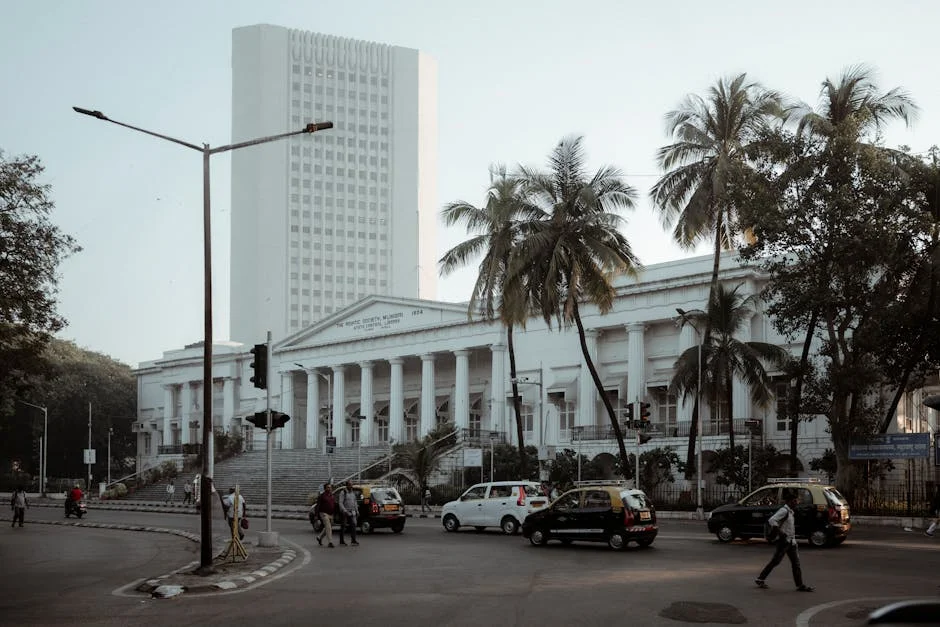
The increase in petrol and diesel prices is immediately felt in major metropolitan areas. In cities like Mumbai and Delhi, the average motorist faces a noticeable jump in weekly expenditure. This rise occurs even as some state governments attempted to offset costs through minor levy adjustments.

For the daily wage earner, every rupee added to the price of petrol translates to a smaller portion of income for food and housing. Public transport operators are also grappling with higher operational costs. Many are beginning to pass these expenses on to passengers through fare hikes.
The situation creates a ripple effect across the informal sector. Auto-rickshaw drivers and delivery personnel, who rely heavily on diesel and petrol, see their net incomes shrink. This reduction in purchasing power can slow down local economic activity in commercial hubs.
Global Markets Drive Local Price Volatility
Global crude oil prices remain a dominant force in determining local fuel costs in India. The price of Brent crude has shown volatility, influenced by supply dynamics in key regions. Tensions near the Strait of Hormuz add an element of uncertainty to global supply chains.
When global benchmarks rise, Indian refiners adjust their selling prices to maintain margins. The Indian Rupee’s exchange rate against the US Dollar also plays a critical role. A weaker rupee means importing the same amount of crude costs more, further inflating the final price at the pump.
Analysts point out that the interplay between international crude prices and domestic taxation is complex. While some states have reduced VAT, the base cost increase from global markets often outweighs these local savings. This dynamic leaves consumers with less relief than initially anticipated.
Impact on Logistics and Supply Chains
The logistics sector is particularly sensitive to diesel price fluctuations. Transport companies are revising freight rates to accommodate the higher fuel bills. This adjustment affects the cost of moving goods from manufacturing hubs to retail outlets.
Higher freight costs can lead to inflation in essential commodities. Fruits, vegetables, and packaged goods may see price increases in local markets. This inflationary pressure can erode the real income of middle-class families in urban centers.
Manufacturers are also feeling the pinch. Industries that rely on diesel for power generation or transportation face higher operational expenses. These costs may eventually be passed on to consumers through higher prices for finished products.
Government Policy and Taxation Dynamics
The Indian government faces a balancing act between revenue collection and consumer relief. Fuel taxes contribute significantly to both central and state exchequers. Reducing these taxes can provide immediate relief but may impact infrastructure funding.
Some states have experimented with reducing VAT on petrol and diesel to ease the burden on voters. However, the effectiveness of these measures depends on the magnitude of the global price hike. In many cases, the local tax cut is only a partial offset.
Policy makers are monitoring the situation closely. There is ongoing discussion about the structure of fuel taxation and its transparency. Citizens are calling for a clearer breakdown of how much of the final price goes to the exchequer versus the refiner.
The Ministry of Petroleum and Natural Gas releases daily price updates to keep consumers informed. These updates highlight the dynamic nature of fuel pricing in India. Understanding these updates helps consumers plan their expenditures more effectively.
Community Response and Consumer Behavior
Consumers are adapting to the higher costs through various strategies. Many are opting for public transport or carpooling to reduce individual fuel consumption. This shift in behavior can have long-term implications for traffic patterns and urban planning.
Local businesses are also responding to the price hikes. Retailers are negotiating harder with suppliers to keep shelf prices stable. Service providers, such as salons and restaurants, are evaluating their cost structures to remain competitive.
Community groups in residential areas are organizing discussions on the impact of fuel prices. These forums provide a platform for citizens to share experiences and advocate for policy changes. Such grassroots movements can influence local political priorities.
The psychological impact of rising fuel prices should not be underestimated. When the cost of mobility increases, it affects the quality of life and the ability to access services. This can lead to a sense of financial anxiety among households.
Looking Ahead: What to Watch Next
The coming weeks will be crucial in determining the trajectory of fuel prices. Observers should watch for any announcements from the Ministry of Petroleum regarding tax adjustments. Changes in global crude prices will continue to influence local rates.
State governments may introduce additional measures to provide relief. Voters will be closely monitoring these actions, especially in regions with high dependence on road transport. Political pressure could force quicker responses from local administrations.
Consumers should stay informed about daily price updates and adjust their travel plans accordingly. Planning ahead and optimizing routes can help mitigate the impact of higher fuel costs. The situation remains fluid, requiring continuous attention to market developments.
See Also
- BSE Sensex Crashes 800 Points — What It Means for Indian Wallets
- Araghchi Meets Jaishankar: Diplomatic Talks Tackle West Asia Tensions - Explained
Fuel taxes contribute significantly to both central and state exchequers. Reducing these taxes can provide immediate relief but may impact infrastructure funding.