The Pentagon has announced that the US Navy chief, Phelan, will be stepping down from his position effective immediately. This decision, confirmed late Monday, has stirred discussions within military and political circles in Washington, D.C., where Phelan has been a central figure for several years. His departure comes amid ongoing strategic reviews and operational shifts within the Navy.
Immediate Impact on Navy Operations
Phelan's abrupt exit is expected to cause immediate ripples across the Navy's operational strategy. As the chief, he was pivotal in enacting several critical policies, including the expansion of naval exercises in the Indo-Pacific region, which have been a key focus for maintaining a strategic balance of power.
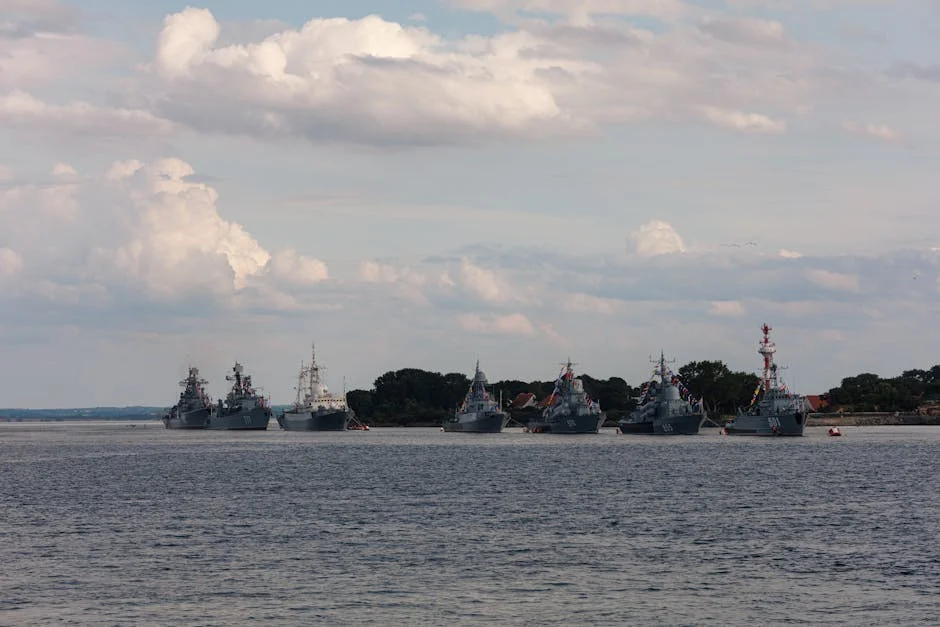
The sudden change in leadership could potentially slow down these initiatives and impact the Navy's ability to promptly respond to regional maritime challenges. With a fleet of over 490 ships, the US Navy plays a crucial role in global security dynamics, particularly in areas like the South China Sea, which holds significant geopolitical importance.
Reactions from the Pentagon and Beyond
The Pentagon, while confirming Phelan's resignation, did not provide specific reasons for his immediate departure. Speculation is rife about potential differences in strategic priorities between Phelan and the current administration. However, no official statement has been made to clarify these aspects.
Beyond the military circles, this development is raising eyebrows in allied nations, including India, which has been collaborating closely with the US Navy on several fronts, from joint exercises to technology transfers. The Indian Navy, with its burgeoning capabilities in the Indian Ocean, could face delays in ongoing cooperative initiatives.
Local and Regional Perspectives
For communities and citizens in India, the leadership change in the US Navy might seem distant, yet it holds direct implications. The Indo-Pacific security architecture, heavily influenced by US naval presence, impacts regional stability and economic activities. Any disruption or strategic reevaluation could influence shipping routes and security protocols, affecting trade and commerce.
The Indian defence community, actively engaged in dialogues with the US, might need to reassess current and future military collaborations. Phelan's exit could lead to re-negotiations or restructuring of existing agreements, impacting timelines and resource allocations.
Looking Ahead: What Comes Next?
As the Pentagon works to appoint a successor to Phelan, the immediate focus will be on maintaining continuity in the Navy's operations and strategic initiatives. Observers will be keenly watching the nomination process and the potential candidates for the chief position.
In the coming weeks, expected announcements from Washington will likely address how the Navy intends to proceed with its current plans and future strategies. For stakeholders in regions like South Asia, continued engagement and communication will be key to navigating the changes and ensuring stability in bilateral and multilateral partnerships.
See Also
- US Official Warns Against China-Like Trade Mistakes: 'America First' in India Deal
- Sporting Advances to Champions Futsal Final After Beating Cartagena