The Indian government has announced a ban on deep-fried food in school meals, marking a significant shift in the country's approach to student nutrition. The directive, issued by the Ministry of Education, applies to all government-run schools across the nation, with an immediate implementation deadline set for 15 August. The move is part of a broader initiative to combat rising childhood obesity and improve long-term health outcomes. The policy has already sparked debate among parents, school administrators, and local food vendors.
Implementation and Immediate Effects
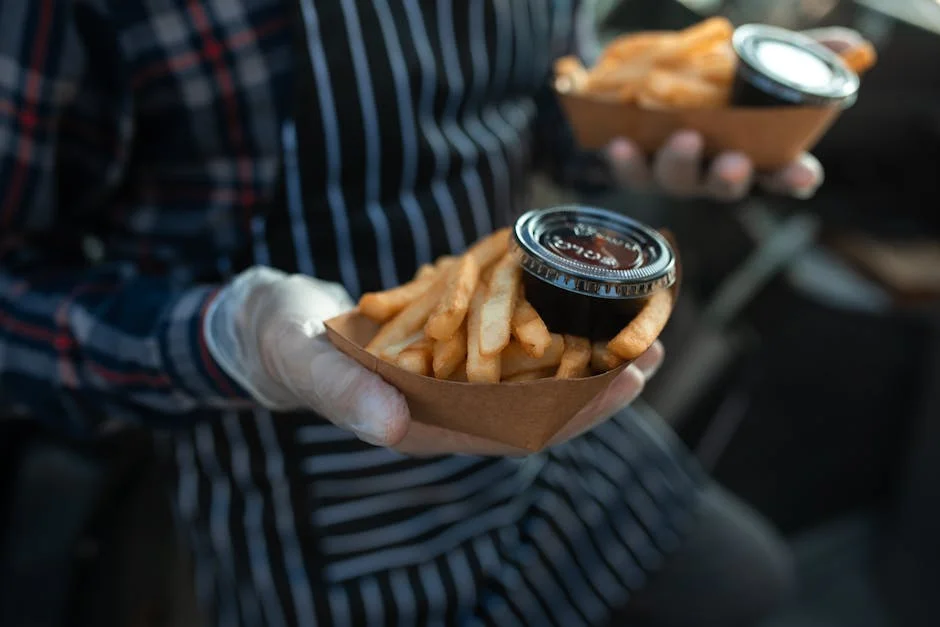
The ban affects all deep-fried items such as samosas, pakoras, and vadas, which have long been staples in school canteens. The Ministry of Education stated that the decision was based on data showing a 12% rise in childhood obesity in urban areas over the past five years. In Delhi, where the policy was first piloted in 2023, school nutritionists reported a noticeable shift in student eating habits within the first month.
“We are seeing more students opting for healthier options like grilled vegetables and lentil-based dishes,” said Anjali Sharma, a nutritionist at a Delhi government school. “But there are still challenges, especially in rural areas where access to fresh ingredients is limited.”
Impact on Local Communities
The ban has had a ripple effect on local food vendors and small businesses that supplied deep-fried items to schools. In Mumbai, street food vendors who previously sold samosas and kachoris to school canteens have seen a 30% drop in sales. “We were dependent on these orders,” said Ramesh Patel, a vendor in Andheri. “Now we’re trying to pivot to healthier snacks, but it’s not easy.”
In rural areas, the impact is more complex. While some parents welcome the change, others worry about the cost and availability of alternative meals. In Tamil Nadu, where 70% of school meals are prepared on-site, the state government has launched a campaign to train cooks in preparing nutritious, low-fat meals. “We are working with local farmers to ensure we have fresh produce,” said Tamil Nadu Education Secretary, Meera Kapoor.
Community Response and Adjustments
Local communities have responded with mixed reactions. In Bangalore, a group of parents formed a committee to monitor the new menu and provide feedback to schools. “We want to ensure the meals are both healthy and affordable,” said Priya Mehta, a parent from Malleswaram. “It’s a good step, but we need more support.”
Meanwhile, some schools have started incorporating traditional, non-fried recipes into their menus. In Hyderabad, a school introduced a weekly “healthy day” featuring dishes like dal, roti, and seasonal vegetables. “The students are adapting well,” said the school principal, Ravi Kumar. “They are even asking for more variety.”
Challenges and Concerns
Despite the positive intentions behind the ban, some experts warn that the transition could be difficult. Dr. Alok Gupta, a public health researcher, said, “The success of this policy depends on how well it is implemented. Without proper training and resources, schools may struggle to meet the new standards.”
There are also concerns about the cost of implementing the new guidelines. In states like Uttar Pradesh, where many schools lack proper kitchens, the transition could be slow. The Ministry of Education has announced a funding package of ₹1.2 billion to support the shift, but the distribution is still pending.
Looking Ahead: Next Steps and Deadlines
The next major milestone is the completion of the pilot phase in all 28 states by December 2024. The Ministry of Education has also announced that it will conduct a nationwide survey to assess the impact of the policy on student health and school budgets. Parents and educators are being encouraged to submit feedback through an online portal.
As the implementation progresses, the focus will remain on ensuring that the new guidelines do not compromise the quality or accessibility of school meals. The coming months will be critical in determining whether this ban leads to lasting improvements in student nutrition across India.