Business leaders in Brazil are calling for immediate policy clarity as uncertainty over regulatory frameworks continues to disrupt operations. The Federation of Industries of São Paulo (Fiesp), one of the country's most influential business groups, has issued a stark warning that delays in legislative action will hurt productivity and investment. With inflation at a 12-year high and supply chain disruptions affecting industries across the nation, companies are under pressure to adapt quickly.
Businesses Face Growing Pressure
According to Fiesp, over 70% of member companies are struggling with rising costs and regulatory ambiguity. "We cannot wait for policies to be developed in a vacuum," said José Azevedo, president of Fiesp. "The current delays are causing real harm to businesses and, by extension, to workers and consumers." The federation represents more than 12,000 companies, many of which operate in manufacturing, agriculture, and logistics—sectors vital to the Brazilian economy.
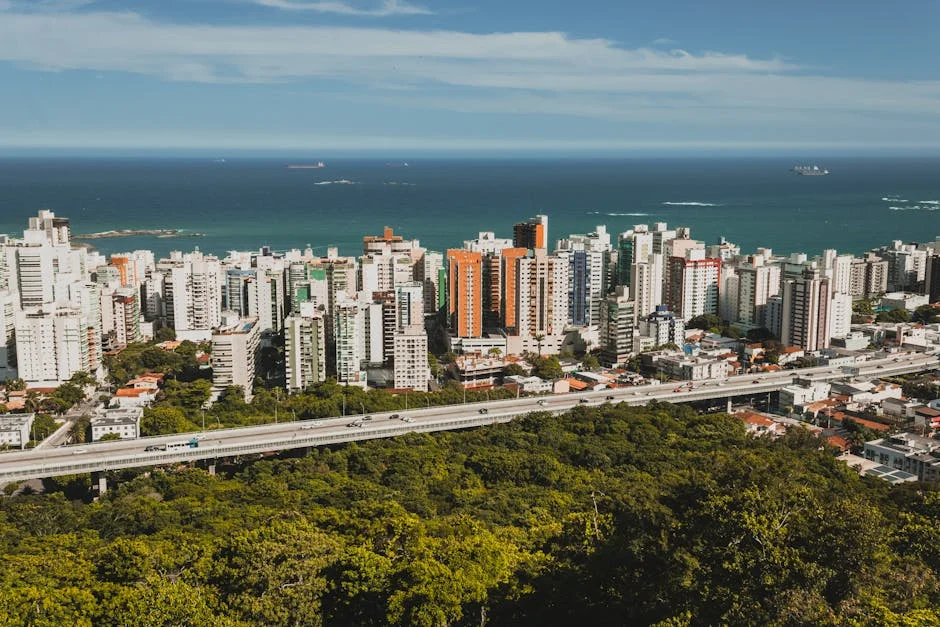
The situation has been exacerbated by inconsistent government messaging on tax reforms, labor laws, and environmental regulations. In São Paulo, the country's economic hub, small and medium enterprises (SMEs) are particularly vulnerable. A recent survey by the São Paulo Chamber of Commerce found that 45% of SMEs are considering scaling back operations or relocating to other states due to the regulatory uncertainty.
Impact on Daily Life and Local Economy
For ordinary citizens, the ripple effects are already visible. In São Paulo's industrial districts, where thousands of workers are employed in manufacturing, delays in policy decisions have led to reduced hiring and lower wages. "We’re working longer hours with no guarantees of stability," said Maria Silva, a factory worker in the city’s eastern zone. "It’s hard to plan for the future when the rules keep changing."
The local economy is also suffering. In the city of Campinas, known for its tech and automotive industries, business owners report a 20% drop in new investments over the past year. "Investors are hesitant to commit without clear regulations," said Carlos Mendes, a local entrepreneur. "This is a critical moment for our region." The uncertainty is also affecting consumer confidence, with a recent study by the Brazilian Institute of Geography and Statistics (IBGE) showing a 15% decline in retail activity in major cities.
Community Response and Calls for Action
Local communities have started to mobilize in response to the crisis. In the state of Minas Gerais, a coalition of business associations and labor unions has launched a campaign urging the government to prioritize regulatory reform. "This isn’t just about companies—it’s about the livelihoods of millions," said Ana Paula Ferreira, a representative of the Minas Gerais Business Council.
Grassroots organizations are also stepping in. In the city of Belo Horizonte, a group of small business owners has formed a task force to lobby for clearer guidelines on tax compliance and environmental standards. "We want to work with the government, but we need a framework that we can rely on," said Ronaldo Almeida, a local shopkeeper. "Without that, we’re just guessing."
Regulatory Reforms and Political Challenges
The government has acknowledged the concerns but faces its own challenges. President Luiz Inácio Lula da Silva’s administration has prioritized social programs and infrastructure development, leaving some regulatory issues unresolved. The Ministry of Economy has proposed a series of amendments to streamline business processes, but these have yet to be approved by Congress.
Political divisions are complicating the process. Some lawmakers argue that regulatory reforms must be accompanied by stronger labor protections, while others insist on reducing bureaucratic hurdles. This debate has delayed key legislation, including a bill on digital taxation and a proposal to simplify licensing for small businesses.
What Comes Next?
Business leaders are urging the government to finalize regulatory reforms by the end of the year. Fiesp has set a deadline for the Ministry of Economy to submit a detailed plan for regulatory modernization. "We can’t afford to wait any longer," said Azevedo. "The time for action is now."
For now, the focus remains on the upcoming legislative session, which begins in March. If no major changes are made, the business sector warns that the economic slowdown could worsen. Citizens and communities across Brazil will be watching closely as the government decides how to balance economic growth with regulatory stability.
See Also
- Amaka Okeke Launches Women Leaders Network to Boost Business Development in India
- SG Launches Earth Day Initiative — Delhi Residents Report 30% Air Quality Drop
"Without that, we’re just guessing." Regulatory Reforms and Political Challenges The government has acknowledged the concerns but faces its own challenges. This debate has delayed key legislation, including a bill on digital taxation and a proposal to simplify licensing for small businesses.