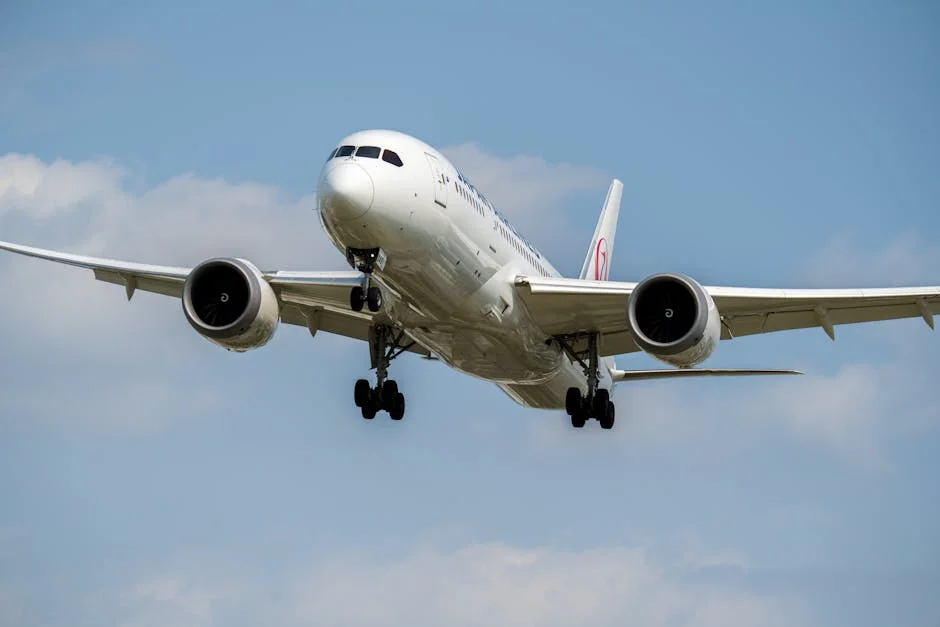
Australia's domestic and international air travel has seen a sharp shift as Virgin Australia announced a 15% fare increase and a 10% reduction in flight capacity, citing the ongoing Middle East conflict as a key factor. The airline's decision comes as Treasurer Jim Chalmers warned of a global economic climate in a “really dangerous time,” raising concerns among consumers and businesses alike.
Airline Adjustments Reflect Regional Uncertainty
Virgin Australia's move to raise ticket prices and cut capacity is a direct response to rising operational costs linked to the Middle East conflict. The airline’s chief executive, Paul Scurrah, stated that fuel prices have climbed by 22% since the start of the year, with additional costs from rerouting flights and increased security measures. This has forced the company to adjust its pricing strategy to maintain financial stability.
The impact is being felt across the country, particularly in regional hubs like Adelaide and Darwin, where reduced flight availability has limited travel options for residents. “We’re seeing fewer direct flights and higher costs for essential travel,” said Sarah Mitchell, a travel agent in Perth. “It’s a real challenge for families and small businesses that rely on regular travel.”
Global Economic Concerns Resonate Locally
Treasurer Jim Chalmers has warned that the global economic landscape is entering a “really dangerous time,” citing rising inflation, energy volatility, and geopolitical tensions. His remarks have triggered a wave of concern among Australian households, where the cost of living crisis has already strained many budgets. “The government is closely monitoring the situation,” said a spokesperson for the Department of the Treasury.
Chalmers’ comments come amid growing anxiety over the ripple effects of the Middle East conflict on global supply chains. Australia, which relies heavily on imports, is particularly vulnerable to disruptions in energy and goods. “We’re watching the situation very carefully,” said the spokesperson. “We’re prepared to take any necessary steps to protect the economy.”
Consumer and Business Impact
For everyday Australians, the combination of higher airfares and economic uncertainty is creating a sense of financial pressure. A recent survey by the Australian Consumers’ Association found that 68% of respondents are planning to reduce discretionary spending, with travel being one of the first areas to be cut. “We’re trying to plan holidays in advance, but the costs are just too high,” said Mark Thompson, a father of two from Brisbane.
Businesses, especially those in tourism and trade, are also feeling the strain. The Australian Tourism Industry Council has reported a 12% decline in bookings for the next quarter, with many companies citing the cost of travel as a key factor. “It’s a tough time for us,” said council CEO Jane Carter. “We need more support to help our industry recover.”
What’s Next for Travelers and the Economy?
With the Middle East conflict showing no signs of resolution, the situation remains fluid. Virgin Australia has pledged to monitor the situation closely and may make further adjustments to its operations. Meanwhile, the government is expected to release an updated economic forecast in the coming weeks.
For citizens, the immediate concern is how to manage rising travel costs and economic uncertainty. “We’re looking at more local holidays and fewer international trips,” said Thompson. “It’s the only way we can cope.”
The coming months will be critical for both the travel industry and the broader economy. With the global situation still evolving, Australians are bracing for more changes and hoping for stability.
See Also
- Zoe Saldana Joins Oscar-Nominated Director's Animated Film — What It Means for Fans in India
- Indian Investors Lose Rs 5.77 Lakh Cr in D-Street Bloodbath — Economic Fallout Looms