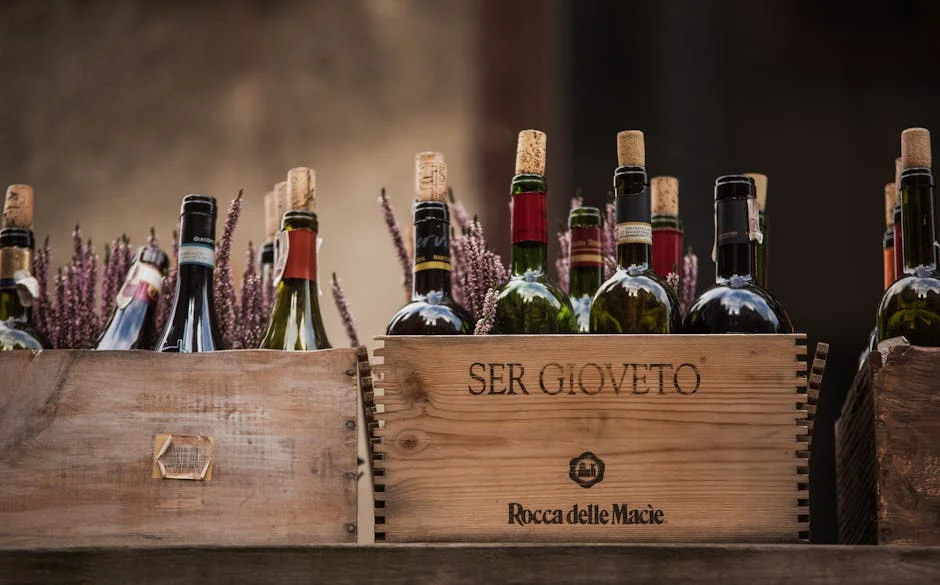
Portuguese authorities in Maia have seized over 39,000 litres of wine following a major crackdown on illegal alcohol trade, a move that has sent shockwaves through local markets and communities. The operation, led by the National Republican Guard (GNR), targeted unlicensed distributors and unregulated production facilities in the region. The seizure highlights growing concerns over the impact of counterfeit and untaxed alcohol on public health and local economies.
Local Authorities Take Strong Action
The operation, which took place in Maia, Lousada, and surrounding areas, was conducted in collaboration with regional police and the Ministry of Public Prosecution. The GNR confirmed that the wine was found in warehouses and storage facilities without proper licensing or tax compliance. The crackdown is part of a broader effort to curb the illegal trade of alcoholic beverages, which has been on the rise in recent years.
“This is a major step in protecting consumers and ensuring fair competition,” said João Ferreira, a spokesperson for the GNR. “Unregulated alcohol poses serious health risks and undermines legitimate businesses.” The operation has already led to the arrest of three individuals suspected of involvement in the illegal trade, though no charges have been formally filed yet.
Impact on Daily Life and Local Economy
For residents of Maia and nearby towns like Lousada, the crackdown has created uncertainty. Many small-scale wine producers and retailers rely on informal supply chains, and the sudden enforcement has disrupted their operations. In Lousada, where wine production is a key part of the local identity, the move has sparked mixed reactions.
“We support regulation, but this feels like a heavy-handed approach,” said Ana Moreira, a local wine shop owner in Lousada. “Many of us have been operating for years without issues. Now we’re all under suspicion.” The local economy, which depends on both tourism and agriculture, faces potential short-term losses as businesses adjust to the new rules.
The seizure also raises concerns about the broader economic impact. According to the Portuguese Wine Association, 12% of the country’s wine production is estimated to be unregistered or untaxed. In Maia, where wine is a cultural and economic staple, the crackdown may lead to higher prices and reduced availability of locally produced wine.
Community Response and Public Health Concerns
Public health officials have welcomed the move, citing the dangers of unregulated alcohol. In Lamego, a town known for its vineyards, the local health centre reported a 15% increase in alcohol-related hospital visits over the past year. “This is a public health crisis,” said Dr. Sofia Costa, a local physician. “Unlicensed alcohol often contains harmful substances that can lead to long-term health issues.”
Community leaders in Fafe, another region affected by the crackdown, have called for a balanced approach. “We need to protect people, but we also need to support local producers,” said Miguel Ferreira, a member of the Fafe Municipal Council. “A one-size-fits-all policy may not work here.”
Residents in Tondela, where wine production is a major employer, have also voiced concerns. “Many families depend on this industry,” said Maria Silva, a local farmer. “We need to ensure that regulations don’t destroy the livelihoods of people who have been in this business for generations.”
What Comes Next?
The GNR has announced that further operations are planned in the coming weeks, with a focus on identifying and prosecuting those involved in the illegal trade. The Ministry of Public Prosecution is also reviewing the legal framework to strengthen enforcement measures. Meanwhile, local businesses are preparing for potential changes in supply and pricing.
For now, the crackdown has left many in Maia and surrounding areas on edge. As the investigation continues, the next few weeks will be critical in determining how this enforcement will shape the future of the wine industry in the region. Citizens are being urged to report any suspicious activity while authorities work to balance public safety with economic stability.
The coming months will see increased scrutiny of the alcohol market, with local leaders and business owners closely watching how the situation unfolds. For now, the focus remains on ensuring that the crackdown does not inadvertently harm the very communities it aims to protect.
See Also
- Presidente Demands Recorder in Meetings with Chega Amid Tensions
- Karnataka Government Revamps Senior Police Orderly System: Changes Set to Impact Local Communities
“A one-size-fits-all policy may not work here.” Residents in Tondela, where wine production is a major employer, have also voiced concerns. Community Response and Public Health Concerns Public health officials have welcomed the move, citing the dangers of unregulated alcohol.