Pakistan has proposed a second round of US-Iran talks to ease tensions in the Strait of Hormuz, a critical maritime route for global oil trade. The move comes as regional instability escalates following recent clashes between Iranian and US forces in the area. The proposal was made by Pakistan's Foreign Ministry during a live broadcast on national television, signaling the country's growing role in Middle East diplomacy.
Pakistan's Diplomatic Push in a Volatile Region
The Foreign Ministry of Pakistan announced the initiative on Tuesday, stating that the country aims to act as a neutral mediator between the US and Iran. This comes after the first round of talks in March, which failed to yield significant progress. The ministry cited concerns over the rising risk of conflict in the region, which could have direct implications for South Asian trade and energy security.
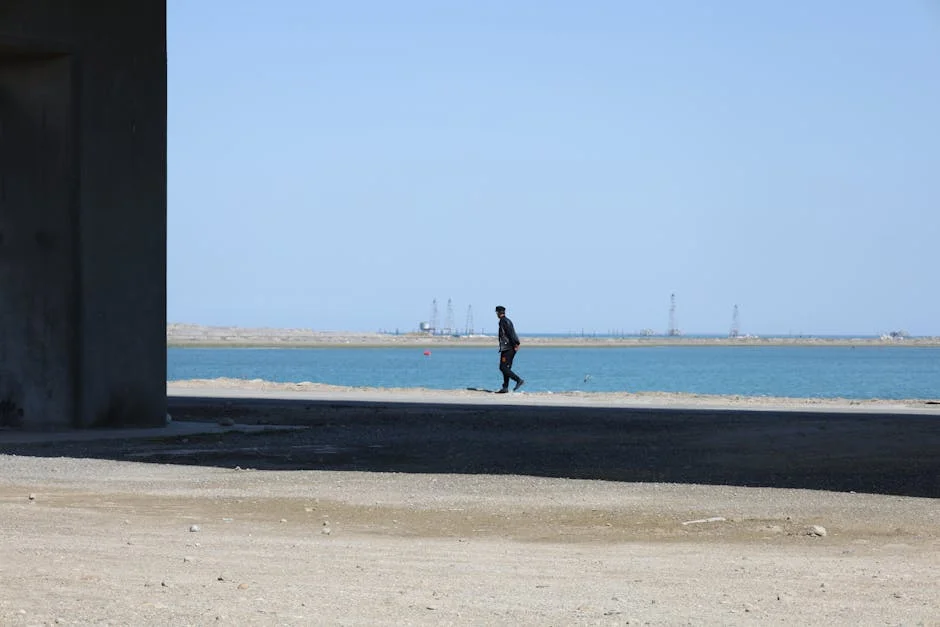
“Pakistan remains committed to promoting peace and stability in the region,” said Foreign Minister Shah Mehmood Qureshi in a live address. “The Strait of Hormuz is not only vital for global commerce but also for the energy needs of South Asia, including India and Pakistan.”
Impact on Regional Trade and Energy Security
The Strait of Hormuz, located between Iran and the Arabian Peninsula, is a lifeline for global oil shipments, with over 20% of the world’s oil passing through its waters. Any disruption in this area could lead to sharp price hikes in fuel and energy, affecting millions of people in South Asia. For instance, India, Pakistan's neighbor, imports around 60% of its oil via this route.
Pakistan's proposal has been welcomed by some regional analysts, who see it as a positive step towards de-escalation. However, others remain skeptical about the effectiveness of a single country mediating between two global powers. “Pakistan’s role is important, but the US and Iran need to engage directly,” said Dr. Ayesha Siddiqui, a senior analyst at the Islamabad Policy Research Institute.
Public Concerns and Economic Fears
Citizens in Pakistan and neighboring countries are closely watching the developments, fearing that rising tensions could lead to higher fuel prices and economic instability. In Lahore, a city of over 11 million people, fuel prices have already risen by 12% since the start of the year, according to the Pakistan Bureau of Statistics.
“If the situation in Hormuz worsens, it will directly impact our daily lives,” said Rana Asif, a small business owner in Karachi. “We already struggle with high costs, and any further increase will be devastating.”
Regional Responses and Broader Implications
India, which shares a complex relationship with both Iran and the US, has also expressed concern over the situation. The Indian Ministry of External Affairs has called for dialogue and stability in the region. “India supports peaceful resolution of conflicts and urges all parties to exercise restraint,” said a spokesperson.
The role of Pakistan in the talks highlights the country’s strategic position in regional diplomacy. As a key player in South Asia, Pakistan’s actions could influence the broader geopolitical landscape. However, the success of the proposed talks will depend on the willingness of the US and Iran to engage in meaningful dialogue.
What to Watch Next
The next round of talks is expected to be held in the coming weeks, with Pakistan aiming to facilitate a direct meeting between US and Iranian officials. The outcome of these discussions will determine whether tensions in the Strait of Hormuz can be de-escalated. For citizens in South Asia, the stakes are high, as the region’s economic and energy stability hangs in the balance.
As the situation develops, observers will be closely monitoring the actions of both the US and Iran. The coming weeks will be critical in shaping the future of regional security and trade. For now, the people of Pakistan and its neighbors remain on edge, hoping for a peaceful resolution to the growing crisis.
See Also
- Diretores warn Congresso conflict could devastate local hotel industry: here's what to expect
- Malema's Appeal Blocked by Al Jama-ah — Court Ruling Sparks Outcry
“If the situation in Hormuz worsens, it will directly impact our daily lives,” said Rana Asif, a small business owner in Karachi. “We already struggle with high costs, and any further increase will be devastating.” Regional Responses and Broader Implications India, which shares a complex relationship with both Iran and the US, has also expressed concern over the situation.