Martha Ongwane, a mother from Blantyre, Malawi, has spent years navigating the challenges of raising a child with autism in a country with limited resources and little public support. Her story reflects the struggles of many families across the region, where systemic neglect leaves parents to cope alone. With just 1.2% of the national health budget allocated to mental health, the lack of services has forced families like Ongwane’s to find their own solutions.
Autism in Malawi: A Hidden Crisis
Malawi has no national autism awareness programme, and most communities lack understanding of the condition. Ongwane, 38, recalls the moment she first suspected something was different about her son, 10-year-old Thomas. "He didn’t speak, didn’t make eye contact. I felt lost," she said. "No one knew what to do." The country’s health system, already strained by high rates of malnutrition and infectious diseases, does not prioritise developmental disorders.
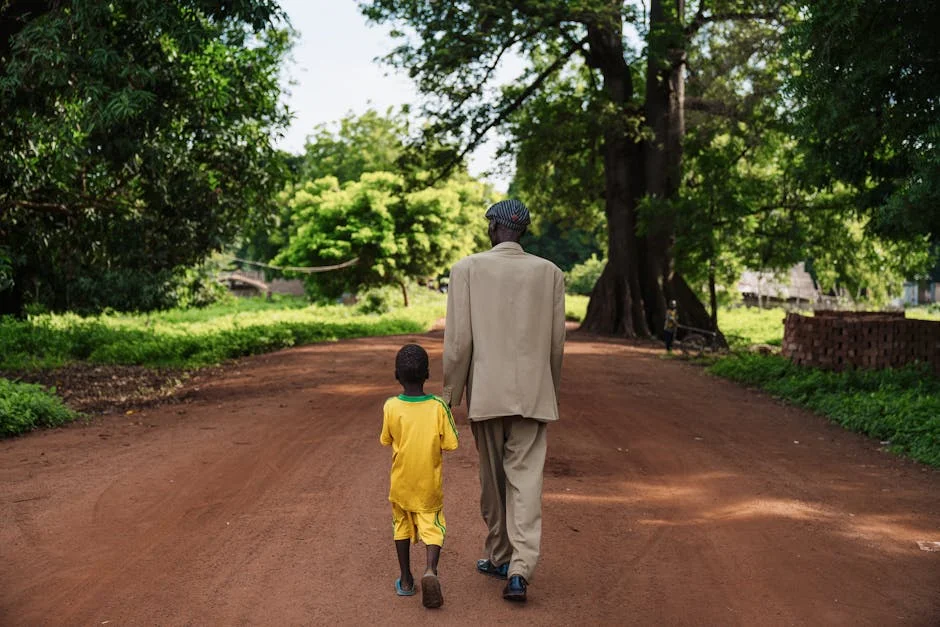
According to the World Health Organization, less than 1% of Malawi’s population has access to mental health care. Ongwane has had to rely on informal support from her extended family and occasional visits to a local NGO, the Malawi Autism Society, which operates with minimal funding. "We don’t have enough trained professionals," said Dr. Elizabeth Mwale, a paediatrician in Lilongwe. "The system isn’t built for this."
Struggles for Basic Needs
Without government assistance, Ongwane has had to manage Thomas’s care on her own. She works as a cleaner, earning about 20,000 Malawian kwacha (approximately $25) a month, which barely covers their daily expenses. "I can’t afford therapy or special education," she said. "I just try to make sure he’s safe and fed." The lack of access to structured learning opportunities has left Thomas behind in school, and Ongwane worries about his future.
Community responses have been mixed. Some neighbours have offered support, but others have stigmatised the family. "People think he’s cursed," Ongwane said. "That makes it harder." In many parts of Malawi, autism is still misunderstood, and families often face isolation rather than support.
Impact on Local Communities
Ongwane’s experience is not unique. Across Malawi, thousands of children with autism face similar challenges. The country’s Ministry of Health has not released recent data on autism prevalence, but local organisations estimate that at least 1 in 100 children may have the condition. Without proper care, many end up in institutional settings or left to fend for themselves.
Community leaders in Blantyre have begun to call for change. "We need better training for teachers and more awareness in schools," said Joseph Kondowe, a local councillor. "This isn’t just a family issue — it’s a community issue." Some grassroots groups are pushing for a national autism strategy, but progress has been slow.
Looking Ahead: What’s Next for Malawi?
Despite the challenges, Ongwane remains determined. She has started a small support group for other parents in her area, sharing what she has learned through trial and error. "I want to help others not feel alone," she said. Her efforts have drawn attention from international aid organisations, but sustainable change will require long-term government commitment.
As the Malawian government prepares to review its health budget in the coming months, advocates are urging officials to prioritise mental health and developmental care. "If we don’t act now, more children will fall through the cracks," said Dr. Mwale. For families like Ongwane’s, the fight for a better future continues, one step at a time.
See Also
- India and U.S. Seal Trade Deal Soon — What It Means for Local Economies
- HDFC Bank Posts 9% Profit Rise, Announces ₹13 Dividend