Iranian scholar Vali Nasr has warned that the ongoing conflict in the region will profoundly reshape the Iranian population, altering their daily lives and economic conditions. The statement comes amid rising tensions in the Middle East, with the conflict spilling into neighboring states like Iraq. Nasr, a prominent political scientist, highlighted the long-term implications of the war on the region’s stability and the lives of ordinary citizens.
War's Impact on Daily Life
The war has already disrupted daily life for many Iranians, with rising prices and limited access to basic goods. In cities like Tehran and Isfahan, families report struggling to afford food and medicine. According to a recent survey by the Iranian Ministry of Industry, inflation has reached 42% in the past year, pushing many into financial hardship.
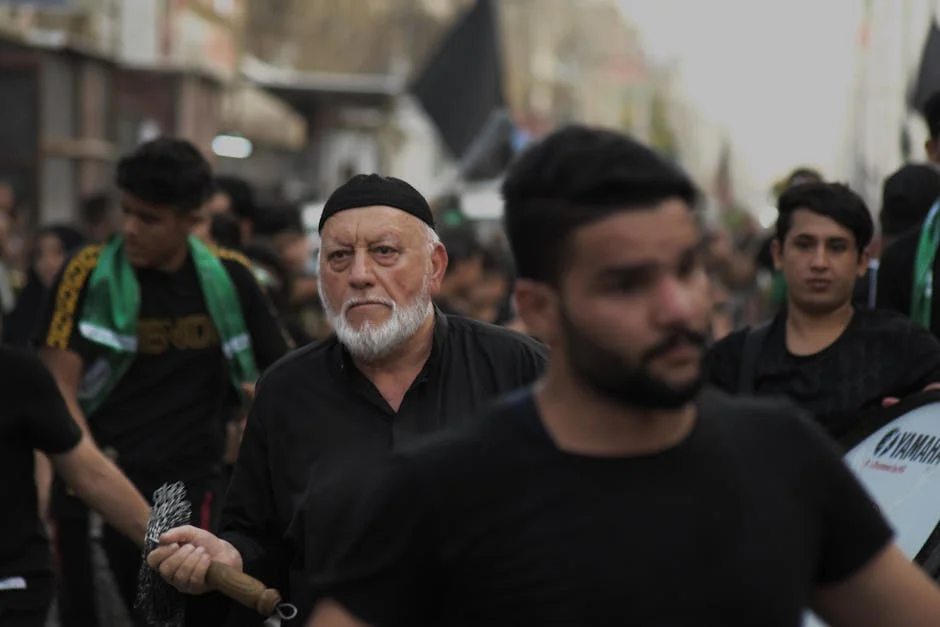
Vali Nasr emphasized that the war’s effects will not be confined to the battlefield. “This war will change the Iranian people in a deep and irreversible way,” he said. “It will shape their values, their relationships, and their sense of security.”
Local communities in western Iran, including areas near the Iraqi border, have seen an influx of displaced families. In the city of Kermanshah, local officials report that over 15,000 people have arrived in the last six months, straining resources and infrastructure.
Economic Strain and Regional Ties
The war has also had a major impact on Iran’s economy, which is already under pressure from international sanctions. The country’s trade with neighboring states like Iraq and Turkey has been disrupted, affecting local businesses. In Baghdad, many Iranian-owned shops have closed, citing unstable conditions and rising costs.
Experts say the economic fallout is not limited to Iran. “The conflict is having a ripple effect across the region,” said Dr. Amina Al-Khatib, a regional economist. “Countries like Iraq and Saudi Arabia are feeling the pressure, and that’s impacting their own economies and trade relationships.”
The Iranian government has announced plans to boost local production and reduce reliance on imports, but the move has been met with skepticism. “This is a short-term fix for a long-term problem,” said a business owner in Shiraz. “We need real solutions, not just promises.”
Social and Political Consequences
The war has also sparked increased political activism in Iran, with citizens demanding greater transparency and accountability. In recent months, protests have erupted in several cities, calling for an end to the conflict and better living conditions. In the city of Mashhad, a group of students organized a sit-in outside the local government office, drawing widespread attention.
Vali Nasr noted that the war is likely to deepen existing political divisions. “It’s not just about military strategy,” he said. “It’s about how the people of Iran will respond to the challenges ahead.”
Local leaders in cities like Ahvaz and Tabriz have called for dialogue and unity. “We need to come together and find solutions,” said Mayor Reza Khorrami. “This war is not just a political issue — it’s a human issue.”
Looking Ahead: What to Watch
As the conflict continues, the focus will be on how the Iranian government and its allies respond. International observers are watching closely for signs of de-escalation or further military action. The next few months will be critical in determining the trajectory of the war and its long-term impact on the region.
For Indian citizens, the situation in Iran is of particular interest due to the country’s role in global energy markets and its strategic location. Analysts suggest that India must closely monitor developments in the region to safeguard its economic interests.
What’s clear is that the war’s effects will be felt for years to come. As Vali Nasr warned, the Iranian people will not emerge unchanged.