Vladimir Putin has reportedly urged Hungary's incoming prime minister to halt support for Ukraine, according to a leaked communication from the Kremlin. The message, sent ahead of Hungary's parliamentary elections, signals growing pressure on the Central European nation to align with Russia's stance on the war. Hungary, a key EU member, has been a vocal critic of Russia's actions, but its government has also maintained complex ties with Moscow, especially in energy and trade. The warning has sparked concern among local leaders and citizens about the country's future foreign policy direction.
Putin’s Direct Appeal to Hungary
The communication, reportedly obtained by a Hungarian news outlet, was addressed to the leader of the Fidesz party, which is expected to win the upcoming elections. Putin's message, while not publicly confirmed, is said to have warned that continued support for Ukraine could lead to economic and political consequences for Hungary. The country, which relies heavily on Russian gas, has already faced energy price hikes in recent months, adding to public frustration. The message comes as Hungary faces a pivotal moment in its political future, with the next government set to shape the country's relationship with both the EU and Russia.
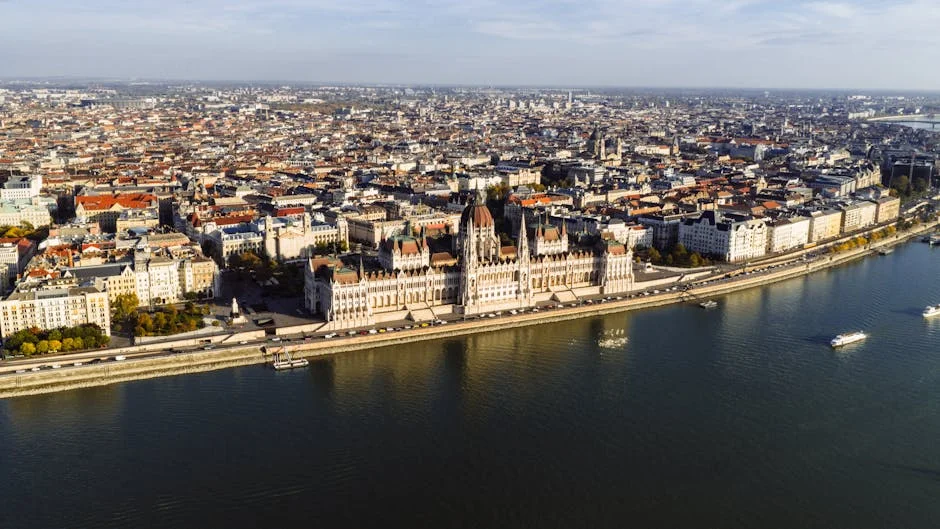
Political analysts say the Kremlin's move reflects a broader strategy to influence EU member states that have been critical of Russia. Hungary, despite its EU membership, has often taken a more neutral stance on the war, partly due to its historical ties with Russia. The leaked message could deepen divisions within the country, as pro-EU and pro-Russian factions prepare for the election. "This is a clear signal that Russia is not backing down," said Dr. Zoltán Tóth, a political scientist at Budapest University. "Hungary's position will be tested in the coming months."
Impact on Daily Life and the Economy
The potential shift in Hungary's foreign policy could have far-reaching effects on the daily lives of its citizens. Energy prices, already volatile, could rise further if Hungary seeks to maintain its relationship with Russia. The country's energy sector, which depends on Russian gas, has been under pressure since the war began. In 2023, Hungary imported 80% of its natural gas from Russia, according to the Hungarian Energy and Public Utility Regulatory Authority. A sudden cut in supply could lead to higher costs for households and businesses alike.
Local businesses, particularly those in the agricultural and manufacturing sectors, are also worried. Hungary is a major exporter of goods to the EU, but any disruption in trade could affect supply chains. "If the government shifts its stance, we could face sanctions from the EU," said Péter Kovács, a business owner in Szeged. "That would hurt our exports and reduce our profits." The uncertainty has already led to a slowdown in some sectors, with companies delaying investments and hiring decisions.
Public Reaction and Political Tensions
Citizens in Hungary have expressed mixed reactions to the Kremlin's warning. Some see it as an overreach, while others fear the economic consequences of cutting ties with Russia. Protests have erupted in major cities, with demonstrators demanding transparency and a clear stance on the war. "We don't want to be dragged into a conflict we didn't start," said Maria Szabó, a student in Budapest. "But we also don't want to be pressured by Russia."
The political landscape is becoming increasingly polarised. Fidesz, led by Viktor Orbán, has long maintained a close relationship with Moscow, while opposition parties have called for stronger support for Ukraine. The upcoming elections will determine whether Hungary continues on its current path or shifts towards a more pro-Western stance. "This is a defining moment for our democracy," said Dr. Éva Kovács, a political commentator. "The choice will shape Hungary's future for years to come."
Energy and Trade Concerns
The energy sector remains a central point of contention. Hungary has been working to diversify its energy sources, with plans to increase imports from Azerbaijan and Algeria. However, these efforts have been slow, and the country still relies heavily on Russian gas. A sudden shift in policy could lead to supply shortages, affecting both households and industries. In 2023, Hungary's energy imports from Russia accounted for 65% of its total gas supply, according to the European Commission.
Trade relations with the EU also remain a concern. Hungary is a key member of the EU's agricultural and manufacturing sectors, and any disruption in trade could have ripple effects. The country has already faced sanctions from the EU over its handling of the refugee crisis, and further tensions could worsen relations. "We need to balance our interests carefully," said András Fehér, an economist at the Budapest Business School. "A misstep could cost us dearly."
What to Watch Next
The coming weeks will be critical for Hungary as it prepares for the elections and the potential shift in foreign policy. The government's response to Putin's warning will determine the direction of the country's relationship with both Russia and the EU. A pro-Russia stance could lead to economic challenges, while a pro-Western approach may bring new opportunities but also risks. The EU is expected to closely monitor the situation, with some member states already calling for stronger support for Ukraine.
For citizens, the outcome will have real implications on their daily lives, from energy costs to trade policies. The next government will need to navigate a complex landscape, balancing economic interests with political pressures. As the world watches, Hungary's choices could set a precedent for other EU nations facing similar dilemmas. The coming months will reveal whether the country can maintain its independence or will be pulled further into the geopolitical tug-of-war between Russia and the West.