Workers in Noida blocked key roads for over six hours on Monday, causing severe traffic congestion and disrupting daily commutes for thousands of residents. The protest, led by local construction workers, was in response to delayed wage payments and poor working conditions. The situation has raised concerns about the city’s ability to manage large-scale disruptions in its already strained transport network.
Protesters Demand Immediate Action
The protest began at around 8:30 AM on Monday when workers from several construction sites gathered near the Noida Sector 62 flyover. According to a statement from the Noida Industrial Development Authority (NIDA), the workers were demanding immediate payment of outstanding wages and better safety measures on construction sites. “We have been working without proper equipment and without our salaries for months,” said Rajesh Kumar, a construction worker and protest organiser.
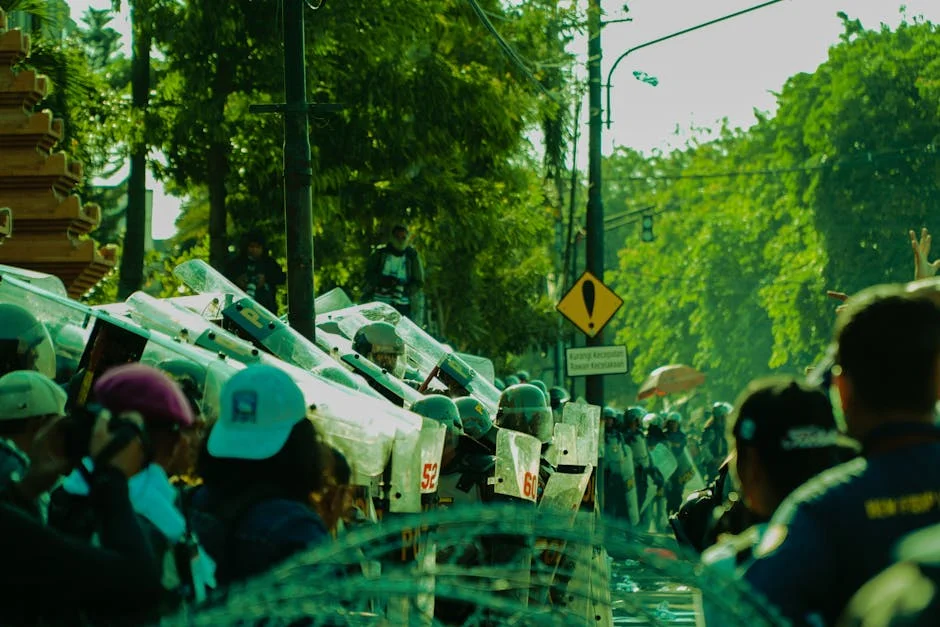
The blockage affected major routes such as the Noida-Greater Noida Expressway and the Yamuna Expressway, causing long delays for commuters. The Noida Traffic Police reported that over 10,000 vehicles were stuck in traffic at peak hours. “This is not the first time such protests have caused chaos,” said Noida Traffic Commissioner A.K. Sharma. “We need a more proactive approach to prevent such disruptions.”
Impact on Daily Life and Economy
The traffic jam had a ripple effect on local businesses and daily routines. Many office workers were late for work, and public transport services were disrupted. In Noida’s Sector 12, where several IT companies are based, employees reported delays of up to three hours. “We had to leave home at 6 AM to avoid the worst of the traffic,” said Priya Mehta, a software developer. “It’s not just inconvenient — it’s affecting productivity.”
The local economy also felt the strain. Street vendors in the Noida City Centre reported a 40% drop in sales due to reduced foot traffic. “Without customers, we can’t survive,” said Ramesh Gupta, a vegetable seller. “This is the second time this month that a protest has disrupted our business.”
Community Response and Calls for Solutions
Residents of Noida have voiced frustration over the recurring traffic issues. Social media platforms were flooded with complaints about the lack of alternative routes and inadequate emergency response. “We need better planning and more communication from the authorities,” said Noida resident Anjali Sharma. “This is not just a traffic problem — it’s a governance issue.”
Local leaders have called for a dialogue between workers and employers to resolve the dispute. “We must ensure that workers’ rights are protected while also maintaining the flow of daily life,” said Noida MLA Manoj Tiwari. “This requires a balanced approach and immediate action.”
Long-Term Infrastructure Challenges
The incident has also highlighted the city’s broader infrastructure challenges. Noida, which is part of the National Capital Region (NCR), has seen rapid urbanisation without sufficient investment in public transport. According to a 2023 report by the Delhi Metro Rail Corporation, Noida’s public transport system is operating at 75% capacity, with frequent overcrowding and delays.
Experts suggest that the city needs to expand its metro network and improve road connectivity to handle increasing traffic. “Without better infrastructure, these protests will continue to disrupt life in Noida,” said Dr. Anjali Verma, a transport analyst at the Indian Institute of Technology Delhi. “The government must act now before the situation worsens.”
Next Steps and What to Watch
As of Tuesday morning, the protest had been resolved, and traffic has started to return to normal. However, the underlying issues remain unresolved. NIDA has announced plans to meet with workers’ representatives this week to discuss their demands. “We are committed to finding a solution that benefits both workers and the community,” said NIDA spokesperson Suman Sharma.
Residents are now watching for any further action from local authorities. With the monsoon season approaching, concerns about traffic management and infrastructure resilience are growing. “This is just the beginning,” said Noida resident Rajiv Malhotra. “We need long-term solutions, not just temporary fixes.”