India and the United States are advancing discussions on a potential trade pact, with key officials meeting in New Delhi to outline next steps. The talks come as both nations seek to strengthen economic ties amid shifting global dynamics, particularly with China's growing influence in the region. Trade Representative Jamieson Greer of the US and India's Commerce Ministry are leading the negotiations, aiming to address trade barriers and boost bilateral commerce.
Strategic Shift in Trade Priorities
The renewed focus on trade relations between India and the US marks a strategic shift in regional economic diplomacy. With China's expanding role in South Asia, both countries are looking to deepen cooperation to counterbalance Beijing's growing economic footprint. The discussions are part of a broader effort to align trade policies that support local industries and reduce dependency on Chinese imports.
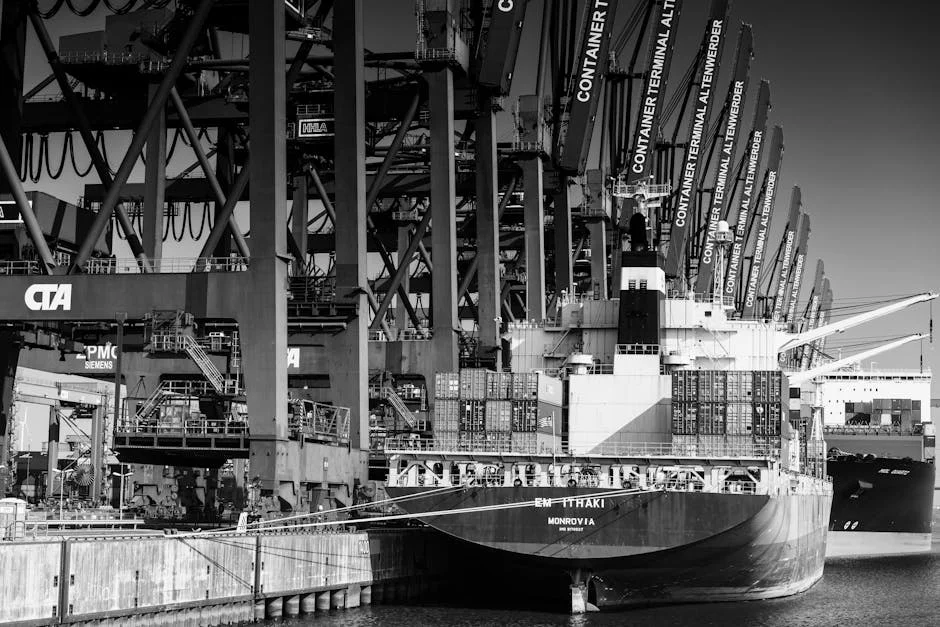
Ministerial Conference officials have highlighted that the talks will focus on reducing tariffs, streamlining customs procedures, and promoting technology exchanges. These measures are expected to benefit small and medium enterprises (SMEs) in cities like Mumbai and Bangalore, where local businesses have long struggled with high import costs and complex regulatory frameworks.
Impact on Local Industries and Consumers
The potential trade deal could have a direct impact on daily life for millions of Indians. Lower tariffs on US goods may lead to more competitive pricing for electronics, machinery, and agricultural products. However, concerns remain about the impact on domestic manufacturers, who may face increased competition from US imports.
Industry experts suggest that the agreement could also create new opportunities for Indian exports, particularly in sectors like pharmaceuticals and information technology. With the US being a major market, increased trade could lead to job creation and higher export revenues. However, the success of the pact will depend on how effectively the two nations can address existing trade imbalances.
Consumers in cities like Chennai and Hyderabad may see changes in the availability and cost of certain goods. For example, a 15% reduction in tariffs on US agricultural products could lower the price of fruits and vegetables in local markets, benefiting households with lower incomes.
Regional Tensions and Geopolitical Considerations
The trade talks come at a time of heightened geopolitical tension in the Indo-Pacific region. China's aggressive trade policies and territorial claims in the South China Sea have prompted many regional players to seek alternative partnerships. India, in particular, has been strengthening its ties with the US and other Western nations to ensure economic and strategic stability.
Trade Representative Jamieson Greer has emphasized that the agreement is not aimed at isolating any country but rather at promoting fair trade practices. "Our goal is to create a level playing field for businesses in both nations," he said during a press briefing in New Delhi. His remarks reflect the broader diplomatic strategy of aligning with like-minded countries to counter China's economic influence.
India's Commerce Ministry has also pointed to the need for a balanced approach. "We are committed to ensuring that the trade deal benefits all sectors of the economy," said a senior official. This caution reflects the delicate balance India must maintain between deepening ties with the US and maintaining its strategic relationship with China.
China's Role in the Regional Economy
China remains a key trade partner for India, with bilateral trade reaching $100 billion in 2023. The country's dominance in manufacturing and its vast consumer market make it a critical player in the region. However, recent trade disputes and border tensions have prompted India to diversify its trade partnerships.
Analysts note that while the US-India trade pact could provide new opportunities, it may also complicate India's existing economic relationships. "The challenge will be to manage these relationships without provoking China," said Dr. Ravi Sharma, an economist at the Indian Institute of Management. "This is a delicate balancing act."
As the negotiations continue, the focus will be on how the deal can be structured to support local industries while opening up new markets. The outcome will have significant implications for both nations and the broader South Asian region.
What Comes Next?
The next round of talks is scheduled for early 2024, with both sides aiming to finalize key terms by mid-year. A final agreement could be signed by the end of the year, depending on the pace of negotiations. The success of the pact will depend on how well both countries can address concerns from industry groups and ensure that the benefits are widely shared.
For Indian citizens, the most immediate impact may be seen in the availability and pricing of consumer goods. However, the long-term effects on employment, trade, and economic growth will depend on how effectively the agreement is implemented. As the talks progress, it will be crucial for policymakers to monitor the impact on local communities and adjust strategies as needed.
Readers should watch for updates on the negotiations and any potential changes in trade policies. The coming months will be critical in determining the future of US-India trade relations and their impact on the region.