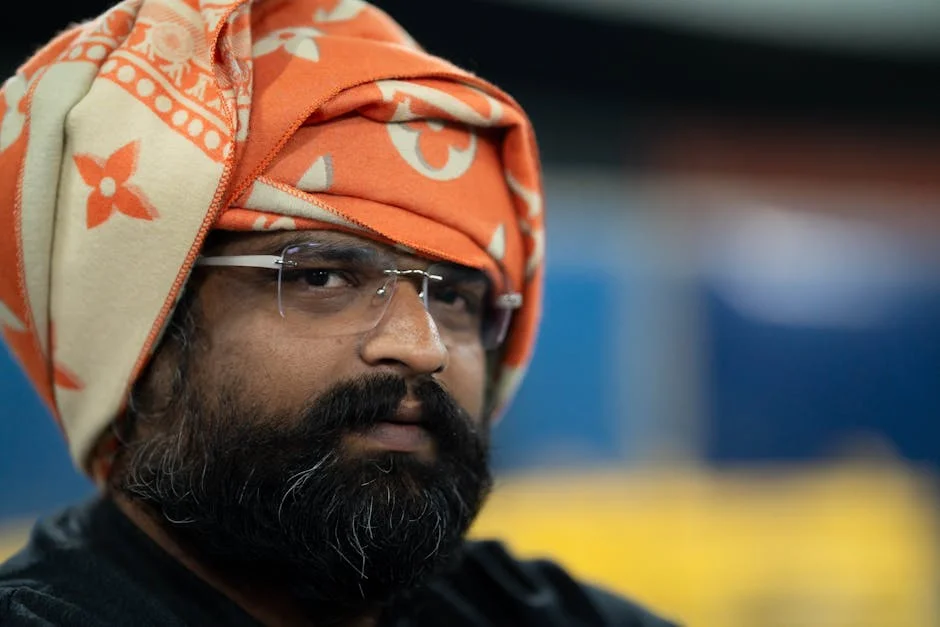
A British man has denied being the elusive Bitcoin creator, Satoshi Nakamoto, despite a recent New York Times article that named him. The revelation has sparked renewed debate about the identity of the person behind the world’s first cryptocurrency, with implications for the digital economy in India and beyond.
Who Is the Man in Question?
The man, identified in the New York Times article as James Howells, a 43-year-old from Newport, Wales, has publicly rejected the claim. “I have no connection to Bitcoin or Satoshi Nakamoto,” Howells said in a statement. The article suggested that Howells had previously been linked to the creation of Bitcoin due to his technical expertise and past online activity.
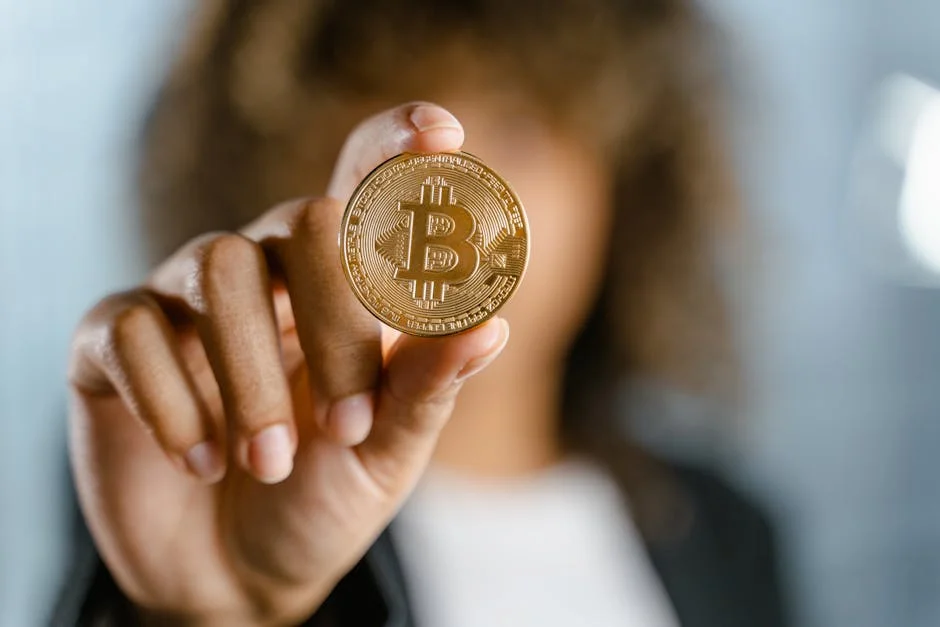
Howells, a former IT technician, gained notoriety in 2013 when he accidentally threw away a hard drive containing 7,500 Bitcoins—worth over $200 million at today’s prices. His story has long been a point of interest in cryptocurrency circles, and the latest report has reignited speculation about the true identity of Satoshi Nakamoto.
What Does This Mean for the Bitcoin Ecosystem?
The Bitcoin network, which operates independently of any government or central bank, has seen a surge in adoption across India. As of July 2024, over 15 million Indians are estimated to own Bitcoin, according to a report by Chainalysis. The continued mystery around its creator adds to the cryptocurrency’s enigmatic appeal.
For Indian users, the debate over Satoshi Nakamoto’s identity is more than academic. It influences how the public perceives Bitcoin’s legitimacy and security. “People still question whether Bitcoin is a real asset or just a speculative bubble,” said Anurag Sharma, a fintech analyst in Mumbai. “The more we know about its origins, the more we can trust it.”
How Does This Affect Communities in India?
Communities in India, particularly in urban areas like Bangalore and Pune, have embraced Bitcoin as a means of financial inclusion. With over 300 million unbanked citizens, the cryptocurrency offers an alternative to traditional banking systems. However, the lack of a clear identity for Bitcoin’s creator can create uncertainty.
Local entrepreneurs and investors are closely watching the situation. “If Satoshi Nakamoto were to reveal themselves, it could change the way Bitcoin is viewed,” said Priya Mehta, a blockchain startup founder in Hyderabad. “It might also influence regulatory decisions in India, which are still evolving.”
The Indian government has been cautious about Bitcoin, with the Reserve Bank of India (RBI) previously banning banks from offering cryptocurrency services. However, a Supreme Court ruling in 2020 lifted the ban, paving the way for greater adoption.
Why Does Satoshi Nakamoto Matter?
Satoshi Nakamoto remains one of the most mysterious figures in tech history. The person or group behind the name created Bitcoin in 2008 and released the whitepaper that outlined the concept. Despite numerous claims and investigations, no one has conclusively proven to be Satoshi.
The mystery has fueled a global fascination with Bitcoin, with many seeing it as a symbol of decentralization and resistance to traditional financial systems. In India, where trust in banks is often low, Bitcoin’s anonymity and peer-to-peer nature make it particularly appealing.
What Are the Implications for the Future?
The ongoing search for Satoshi Nakamoto highlights the broader challenges of regulating decentralized systems. Unlike traditional currencies, Bitcoin operates outside the control of any single entity, making it difficult to track or govern.
For Indian users, this means that Bitcoin remains a high-risk, high-reward investment. While some see it as a path to financial freedom, others worry about its volatility and the lack of legal protections. “We need clarity on how Bitcoin fits into the broader financial system,” said Ravi Kumar, a financial advisor in Delhi.
What’s Next for Bitcoin in India?
As the debate over Satoshi Nakamoto continues, the Indian government is expected to introduce new regulations for digital assets in the coming months. These rules could determine how Bitcoin is used, taxed, and protected in the country.
Meanwhile, the search for the true identity of Bitcoin’s creator shows no sign of ending. For now, the mystery remains, and with it, the allure of the world’s first cryptocurrency.