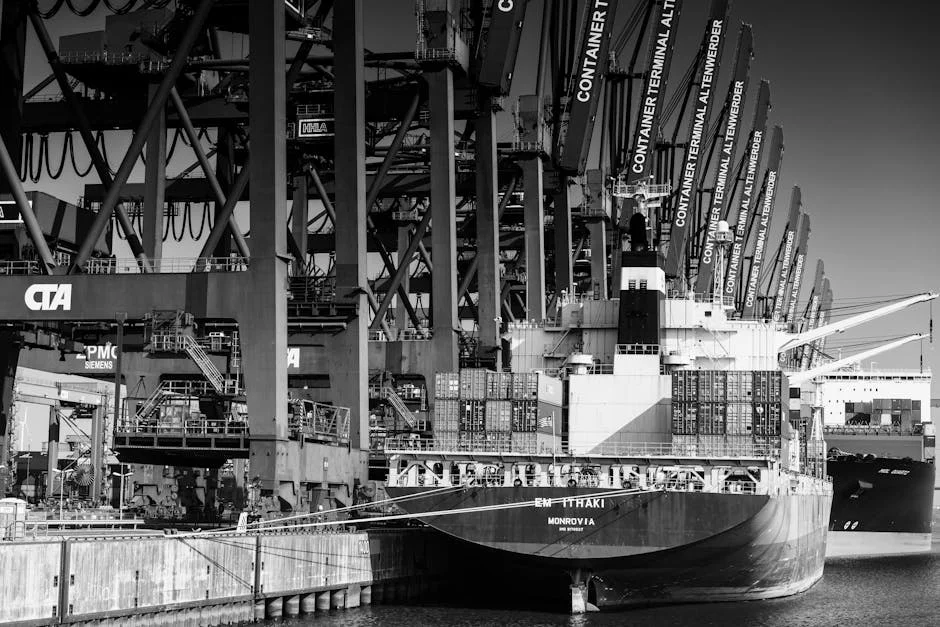
Trump's vision for US energy dominance faces a major setback following a sharp escalation in tensions with Iran, sending shockwaves through global markets and impacting energy prices across the world. The crisis, triggered by a series of targeted strikes on US assets in the Middle East, has forced a reevaluation of Washington's energy strategy and raised concerns about the stability of global supply chains.
Impact on Global Energy Markets
The conflict has led to a surge in oil prices, with Brent crude hitting a 14-month high of $92.50 per barrel. This increase is felt most acutely in regions reliant on imported fuel, including parts of South Asia. In India, where over 80% of energy needs are met through imports, the situation has raised alarm among policymakers and consumers alike.
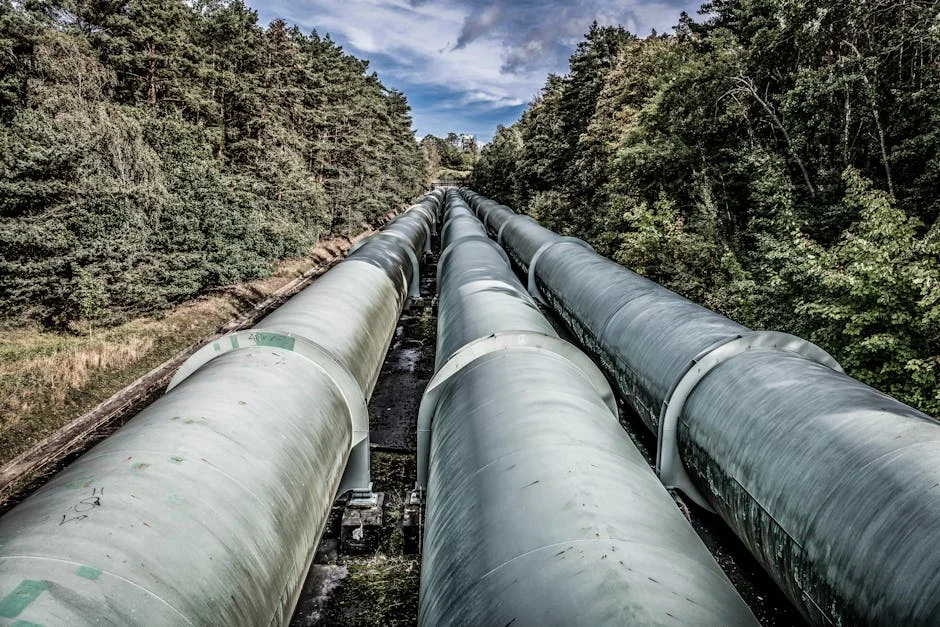
The US Department of Energy has issued a statement acknowledging the volatility, but officials have been cautious in their response. “This is a complex situation, and we are closely monitoring the impact on global markets,” said a spokesperson for the Department, adding that no immediate action would be taken to stabilize prices.
Domestic Reactions in the US
Domestic energy producers have been caught off guard by the sudden shift. Texas-based oil companies, which have long benefited from Trump's pro-energy policies, are now facing pressure from both the public and lawmakers. “We need a more stable approach to energy security,” said Senator Elizabeth Warren, who has called for a review of US foreign policy in the Middle East.
Meanwhile, renewable energy advocates argue that the crisis highlights the need for a more diversified energy strategy. “This is a wake-up call for the US to invest more in clean energy,” said Ravi Patel, a policy analyst with the Clean Energy Initiative. “Over-reliance on fossil fuels is no longer sustainable in a volatile world.”
Regional Consequences in South Asia
India, a major importer of crude oil, is particularly vulnerable to the rising prices. The country’s fuel price index, which is adjusted monthly, has already seen a 5% increase in the past two weeks. In cities like Delhi and Mumbai, where daily commuting costs are a major expense, this has led to growing public discontent.
The Indian government has announced a review of its energy procurement strategy, with officials meeting to discuss potential alternatives. “We are exploring new partnerships to reduce our dependency on the Middle East,” said a Ministry of Petroleum official. “This is a long-term challenge, but we are committed to finding solutions.”
Public Response and Consumer Concerns
Local communities are reacting with a mix of frustration and concern. In Mumbai, where fuel prices have spiked, residents are calling for government intervention. “We can’t afford to pay more for gas,” said Anjali Deshmukh, a local shop owner. “This is affecting our daily lives.”
Similarly, in Delhi, taxi drivers have reported a 10% rise in daily operating costs. “We’re being hit hard,” said Rajesh Kumar, a driver who has been in the business for over a decade. “We need help from the government.”
What’s Next for US Energy Policy?
As the situation in the Middle East continues to evolve, the focus is shifting to how the US will respond. Analysts suggest that Trump's administration may need to recalibrate its energy strategy to account for the new geopolitical realities. “This is a test of how adaptable US energy policy can be,” said Dr. Aisha Khan, a political analyst at the Delhi School of International Relations.
Meanwhile, the Indian government is expected to announce new energy initiatives in the coming weeks. “We are looking at a range of options, including increasing domestic production and exploring new trade routes,” said a senior official. “The goal is to ensure energy security for our citizens.”
Looking Ahead
With oil prices expected to remain volatile in the short term, both the US and India are under pressure to act. The next few weeks will be critical in determining how these nations respond to the new energy landscape. For Indian citizens, the coming months may bring further price hikes and economic uncertainty. For the US, the crisis could reshape its long-term energy strategy and its role on the global stage.