Iran has accused the United States of making "excessive demands" over the strategic Hormuz Strait, escalating tensions in a region that directly impacts the daily lives of millions in the Indian subcontinent. The dispute comes amid growing concerns over maritime security and trade routes that fuel global and regional economies. The Iranian Foreign Ministry reiterated its stance on Monday, warning that any attempt to impose unilateral restrictions would be met with "firm resistance."
Strategic Importance of Hormuz
The Hormuz Strait, a critical chokepoint for global oil trade, connects the Persian Gulf to the Gulf of Oman. Over 20% of the world's oil supply passes through this narrow waterway, making it a focal point for geopolitical tensions. India, which imports a significant portion of its crude oil through this route, faces direct economic repercussions if disruptions occur. The Indian Ministry of External Affairs has expressed concern over the situation, urging all parties to de-escalate tensions to avoid affecting regional stability.
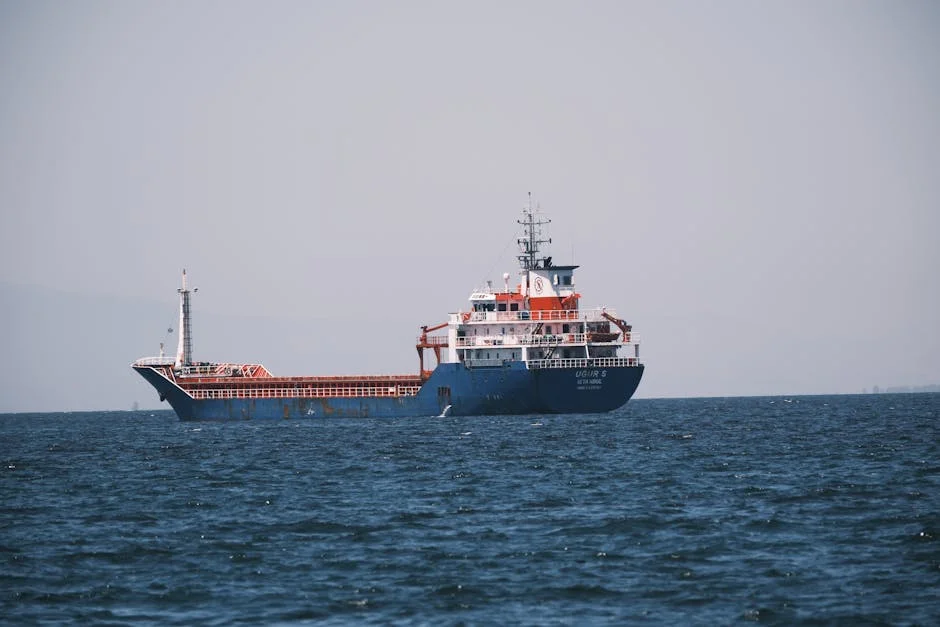
The Iranian government has accused the US of imposing "unfair" conditions on the movement of vessels through the strait. These demands, according to Iran, include intrusive inspections and compliance with unspecified security protocols. "The US is trying to dictate terms that undermine our sovereignty," said Iranian Foreign Ministry Spokesperson Saeed Khatibzadeh in a press briefing. "We will not accept any form of coercion."
Impact on Regional Trade and Daily Life
The Hormuz Strait is a lifeline for international trade, with over 17 million barrels of oil passing through daily. For India, which imports around 80% of its oil, any disruption could lead to soaring fuel prices and inflation. In cities like Mumbai and Chennai, where fuel prices are already a sensitive issue, the potential for instability is a major concern. The Indian government has been closely monitoring the situation, with officials warning that even a temporary disruption could affect energy security.
Local communities in the Indian coastal states, particularly in Gujarat and Tamil Nadu, rely heavily on maritime trade for employment and economic activity. Any escalation in tensions could lead to reduced shipping traffic, affecting port operations and local businesses. In Mumbai, where over 100 vessels pass through the Arabian Sea daily, traders have expressed fears of supply chain disruptions.
Regional Response and Diplomatic Efforts
Regional powers, including the United Arab Emirates and Saudi Arabia, have called for dialogue to resolve the dispute. The UAE's Ministry of Foreign Affairs released a statement on Tuesday, urging all stakeholders to prioritize peace and stability in the region. "The Hormuz Strait is a shared asset that requires collective responsibility," the statement said.
India has also been engaging in diplomatic efforts to mediate the situation. The Indian government has maintained a neutral stance, emphasizing the need for peaceful resolution. However, with the US and Iran locked in a standoff, the risk of unintended escalation remains high. Analysts suggest that India's focus will be on securing stable energy supplies and protecting its trade interests.
What to Watch Next
As the situation develops, the next few weeks will be critical. The US has not yet responded to Iran's latest accusations, but diplomatic channels remain open. India is expected to continue monitoring the situation closely, with potential policy adjustments if tensions escalate. The International Maritime Organization (IMO) is also expected to issue a statement on the matter in the coming days.
For citizens in the Indian subcontinent, the stakes are high. Any disruption in the Hormuz Strait could lead to higher fuel prices, inflation, and economic instability. As the region watches the unfolding crisis, the focus will be on whether diplomacy can prevent a broader conflict that could affect millions.