Helen Zille, the outgoing leader of the Democratic Alliance, has urged South Africans to resist the pull of race-based politics, warning that such divisions threaten the nation's progress. The call came as tensions rise in the Western Cape, where her party has long been a dominant force. Zille, who has served as Premier of the Western Cape since 2009, said the focus must remain on economic development and social cohesion rather than identity-based conflicts.
Why the Warning Matters
Zille’s remarks come amid growing concerns over political polarization in South Africa. The country has seen a rise in rhetoric that divides along racial lines, with some groups pushing for policies based on ethnic identity. This has sparked fears that such approaches could undermine the nation’s post-apartheid progress. Zille, a prominent anti-apartheid activist, has long advocated for inclusive policies that prioritize national unity over identity politics.
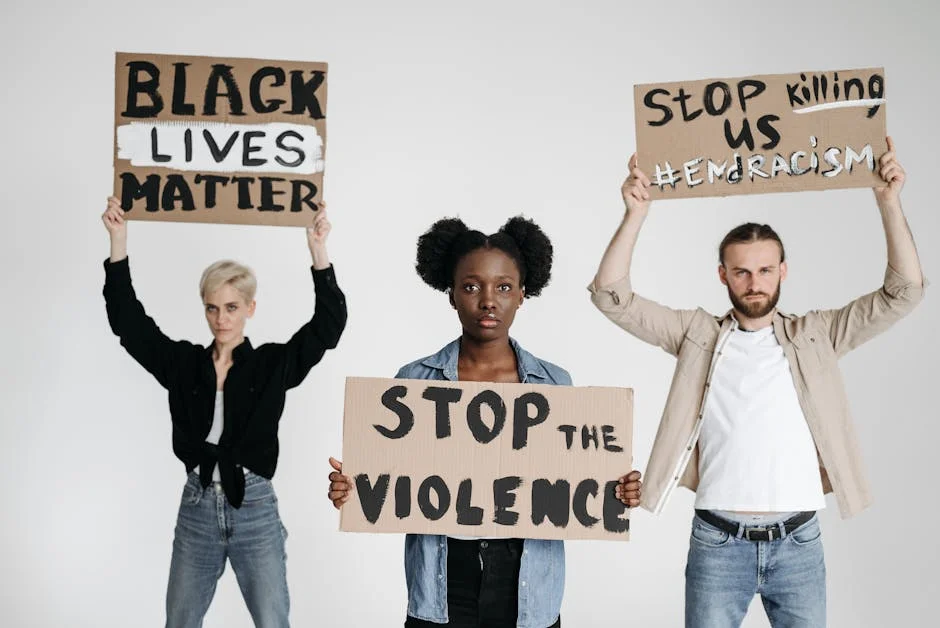
The Western Cape, where Zille has been a key political figure, has seen a surge in discussions around race and representation. In 2023, the region recorded a 12% increase in political protests, many of which focused on issues of equity and access. Zille argued that these issues should be addressed through policy and dialogue, not division. “We must not allow our differences to become a wedge that splits us,” she said during a recent speech in Cape Town.
Impact on Daily Life and Communities
For residents of the Western Cape, the implications of race-based politics are tangible. In areas like Khayelitsha and Langa, where poverty and unemployment remain high, political rhetoric often overshadows real solutions. Zille pointed out that policies focused on race can divert attention from pressing issues such as job creation and infrastructure development. “When we talk about race, we risk ignoring the real problems that affect people’s daily lives,” she said.
Community leaders in the region echoed her concerns. Thandi Molefe, a local activist in Mitchell’s Plain, said: “We need leaders who focus on what unites us, not what divides us. Race should never be the basis for policy.” Molefe added that many residents feel frustrated by political promises that fail to materialize, leading to a sense of disillusionment.
Historical Context and Political Shifts
Zille’s warning is not new. South Africa’s post-apartheid democracy has always been tested by the challenge of balancing identity and inclusion. In 1994, the African National Congress (ANC) came to power on a platform of reconciliation, but over the years, some factions have pushed for more radical policies. Zille, who has been a vocal critic of the ANC’s recent direction, said that race-based politics risk repeating the mistakes of the past.
Her comments come as the Democratic Alliance prepares for the 2024 national elections. The party has seen a rise in support in the Western Cape, but it faces challenges in expanding its influence. Zille said that the party must continue to build trust with voters by focusing on practical solutions rather than divisive narratives. “We are not against identity,” she said. “But we must not let it define our politics.”
What’s Next for South Africa?
As the 2024 elections approach, the debate over race and politics is likely to intensify. Zille’s call for unity comes at a critical moment for the country. With the ANC facing internal challenges and the Democratic Alliance seeking to grow its base, the role of identity in politics will remain a central issue. Analysts say that how leaders respond to this challenge will shape the future of South Africa.
Residents in the Western Cape are watching closely. Many hope that political leaders will prioritize policies that address poverty, education, and healthcare. Zille’s message is clear: South Africa must move beyond race-based politics to build a more inclusive and prosperous future. “Our strength lies in our diversity, not in our divisions,” she said. “We must choose unity over division.”
The next few months will be crucial. With the 2024 elections on the horizon, the political landscape in South Africa is shifting. How leaders respond to Zille’s warning will determine whether the country moves toward greater inclusivity or deeper division.