Nigeria’s federal government has sentenced 390 individuals linked to Boko Haram and the Islamic State West Africa Province (ISWAP), marking a significant escalation in its counter-insurgency efforts. The convictions, announced by the Ministry of Justice, come after a months-long trial in Abuja, where suspects were accused of participating in attacks, recruiting, and financing terrorist activities. The move has sent shockwaves through northern communities, where fear of retaliation and retribution remains high.
Local Communities Face Uncertainty
The sentencing has left many families in the north-eastern states of Borno and Yobe in a state of anxiety. Local leaders say that while the government’s actions are seen as a step towards stability, the lack of clear communication about the fate of those convicted has fueled distrust. “We understand the need for security, but the silence around what happens next is unsettling,” said Amina Abubakar, a community representative in Maiduguri. “People are worried about their relatives being targeted.”
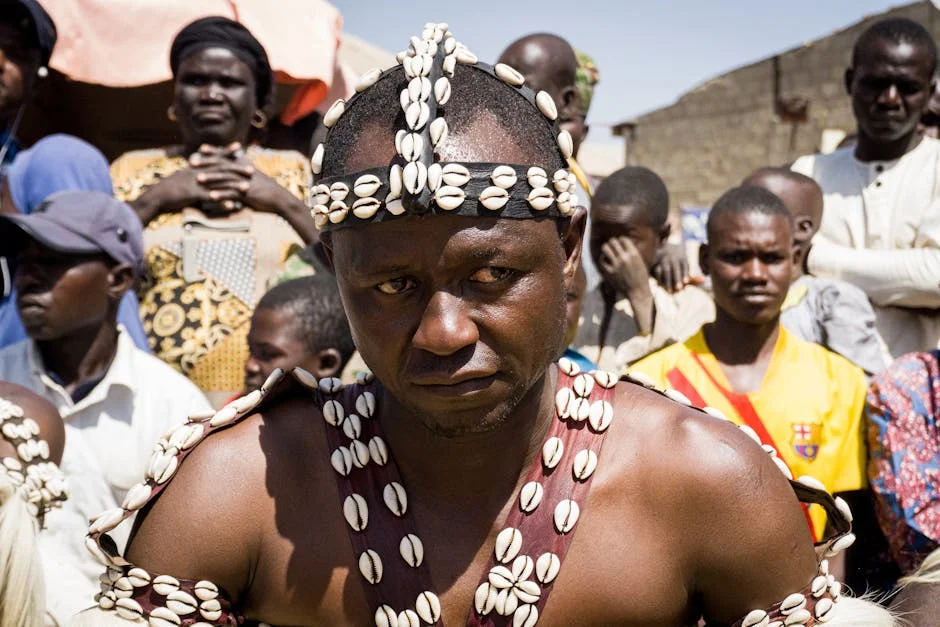
The impact on daily life is already visible. In towns like Gwoza and Monguno, which were once hotbeds of Boko Haram activity, local markets have seen a decline in foot traffic. Traders report that customers are hesitant to gather in groups, fearing both violence and government crackdowns. “We are caught between two dangers,” said Bashiru Adamu, a shopkeeper in Gwoza. “The militants and the security forces.”
Security Measures Intensify
As part of its crackdown, the Nigerian Army has increased patrols in several towns, leading to heightened tensions. The Ministry of Defence confirmed that additional troops have been deployed to areas where Boko Haram and ISWAP have a strong presence. While some residents welcome the increased security, others fear that the military’s presence could lead to more human rights violations. “We have seen too many cases of arbitrary arrests and forced disappearances,” said Hauwa Musa, a human rights activist in Kano. “This could worsen the situation.”
The government has also launched a public awareness campaign, urging citizens to report suspicious activity. However, this has led to a rise in informal reporting, with some communities accusing local authorities of overstepping. “We don’t want to be seen as informants, but we also don’t want to be victims of another attack,” said Umar Dikko, a resident of Borno state. “It’s a difficult position to be in.”
Impact on the Local Economy
The ongoing security crisis has had a lasting impact on the local economy, particularly in rural areas. According to a 2023 report by the Nigerian Bureau of Statistics, unemployment in the north-east has risen to 32%, with many young people unable to find stable work. The recent sentencing has only deepened these concerns. “If people are being arrested without due process, it will discourage investment and hurt the local economy,” said Dr. Chika Nwosu, an economist at the University of Ibadan. “This is not just a security issue — it’s an economic one.”
The agricultural sector, which is a primary source of income for many in the region, has also been affected. Crops are often left unharvested due to fear of attacks, leading to food shortages and rising prices. In Maiduguri, the price of maize has increased by 25% in the past six months, according to the National Bureau of Statistics. “We are not just losing lives — we are losing our livelihoods,” said Fatima Mohammed, a farmer from Borno.
Community Responses and Calls for Balance
Despite the challenges, some communities have taken initiative to address the crisis. In Borno, a group of local leaders has formed a peace committee to mediate between security forces and residents. “We believe that dialogue is the only way forward,” said Musa Abubakar, a member of the committee. “We need to find a balance between security and human rights.”
Meanwhile, international organisations are closely monitoring the situation. The United Nations has called for greater transparency in the judicial process, warning that arbitrary arrests could undermine long-term stability. “The government must ensure that justice is not only served, but seen to be served,” said UN spokesperson Lina D’Costa. “This is crucial for rebuilding trust in the region.”
Looking Ahead: What Comes Next?
As the government continues its crackdown, the focus will now shift to how the sentences are carried out and how communities respond. The next few weeks will be critical in determining whether this move leads to lasting peace or further unrest. With the upcoming elections in 2023, the government is under pressure to demonstrate its ability to restore order and protect citizens. However, many believe that a more inclusive approach — one that involves local voices and addresses root causes — will be essential for long-term stability.
The coming months will also see increased scrutiny from international partners, including the UK, which has pledged continued support for Nigeria’s counter-terrorism efforts. For now, the people of northern Nigeria remain on edge, hoping for a resolution that brings security, justice, and economic recovery.