NASA has released its first images from a recent Moon fly-by, capturing a rare view of Earthset — a phenomenon where Earth disappears below the lunar horizon. The images, captured on 12 October, offer a unique perspective on the planet’s atmosphere and surface, sparking global interest. The mission, part of the Artemis program, aims to enhance understanding of Earth's climate and space exploration capabilities. The data will be shared with international partners, including India's Space Research Organisation (ISRO), which has shown keen interest in the findings.
What is Earthrise and Why It Matters
Earthrise, first captured during the Apollo 8 mission in 1968, is a breathtaking view of Earth emerging over the Moon’s horizon. NASA’s latest images, taken from the Lunar Reconnaissance Orbiter, show Earthset — the reverse of the phenomenon — as the planet vanishes from view. This rare event occurs only when a spacecraft or observer is positioned on the Moon’s far side. The images provide valuable data on Earth's atmospheric conditions and serve as a reminder of the planet's fragility. Scientists at NASA’s Jet Propulsion Laboratory in California described the footage as a “visual milestone” for space exploration.
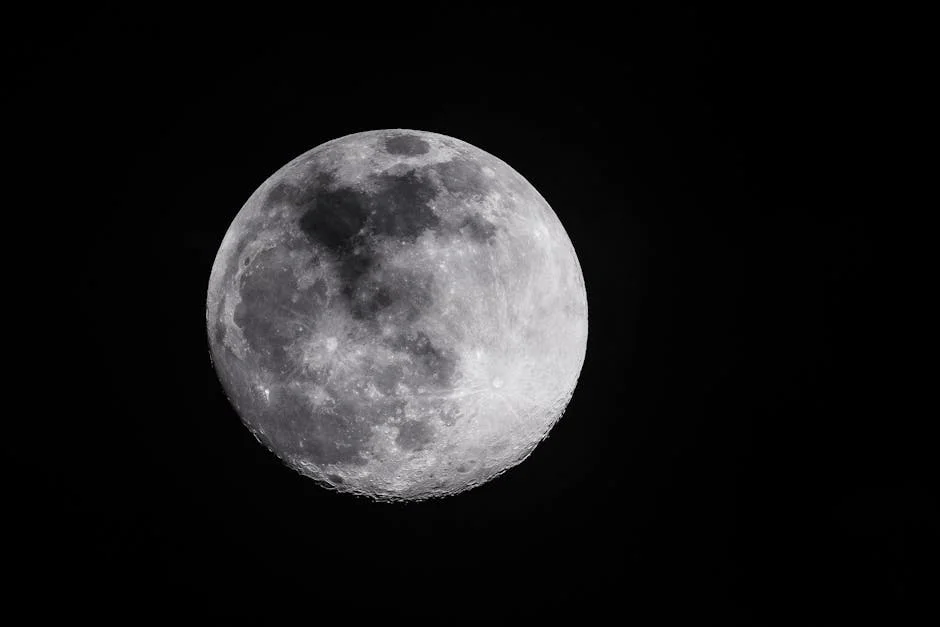
The significance of Earthrise lies in its ability to inspire and educate. For communities in India, where space technology is rapidly advancing, these images offer a unique opportunity to engage with scientific progress. The Indian Space Research Organisation (ISRO) has already expressed interest in collaborating with NASA on future missions. In cities like Bengaluru, where aerospace industries are booming, the images have sparked discussions on the importance of space research for national development.
Impact on Local Communities and Education
The release of these images has had a direct impact on educational institutions across India. Schools and universities in cities such as Pune and Hyderabad have incorporated the footage into their science curricula, using it to explain celestial mechanics and the importance of space exploration. “These images are not just visually stunning, but they also help students understand the scale and complexity of our solar system,” said Dr. Anjali Mehta, a physics professor at IIT Bombay.
Local communities have also shown interest in the mission. In Kerala, a state with a growing tech sector, residents have been discussing the implications of NASA’s findings for future space missions. “It’s inspiring to see how space exploration can bring people together,” said Ravi Kumar, a software engineer in Thiruvananthapuram. The images have also been shared widely on social media, with many users expressing pride in India’s growing role in global space research.
Global Collaboration and Future Missions
NASA’s collaboration with international partners, including ISRO, highlights the importance of shared scientific goals. The data from the Moon fly-by will be used to improve climate models and support future lunar missions. The Indian government has also announced plans to launch its own lunar exploration mission in 2025, which will build on the insights gained from NASA’s latest findings.
The Artemis program, which aims to return humans to the Moon by 2025, has already seen partnerships with countries like Japan and the United Arab Emirates. NASA’s recent images are expected to play a key role in these efforts. “This mission is a step towards a more collaborative approach to space exploration,” said Dr. Sarah Mitchell, a NASA scientist based in Washington, D.C.
How India Can Benefit from the Data
The data from the Moon fly-by could have practical applications for India’s growing space industry. For instance, improved climate models could help predict weather patterns and manage natural disasters. In regions like the Himalayas, where extreme weather is a concern, such data could be critical for disaster preparedness.
Additionally, the images may inspire a new generation of scientists and engineers in India. With the country’s space sector expanding rapidly, the opportunity to contribute to global space research is significant. “This is a moment for India to showcase its scientific potential,” said Dr. Rajesh Patel, a space policy expert in Mumbai.
What to Watch Next
NASA has announced plans to release more images from the Moon fly-by in the coming weeks. The data will be made available to researchers and educational institutions worldwide. India’s Space Research Organisation is also expected to share its own findings from upcoming missions, which could build on the insights provided by NASA.
For citizens and communities in India, the latest developments in space exploration offer both inspiration and opportunity. As the country continues to invest in science and technology, the role of international collaboration will be crucial. Readers should keep an eye on upcoming missions and how they may impact India’s space strategy in the years to come.