Nigeria’s President Bola Tinubu has condemned a deadly attack in Borno State that killed 22 soldiers, calling on citizens to rally behind the military in the ongoing fight against insurgency. The assault, which occurred on Monday near the town of Monguno, has intensified concerns over security in the region, where Boko Haram and other armed groups continue to operate. The incident has left local communities in fear and raised questions about the government’s ability to protect its citizens.
Attack Leaves Communities in Shock
The attack, which took place in the early hours of Monday, targeted a military base in Monguno, a town in north-eastern Nigeria that has long been a hotspot for violence. According to the Nigerian Army, 22 soldiers were killed and 15 others injured in the assault. The attackers, believed to be members of an armed group, used explosives and small arms to breach the base’s perimeter. The incident has left families in the area in a state of panic, with many fearing for their safety as the threat of further attacks looms.
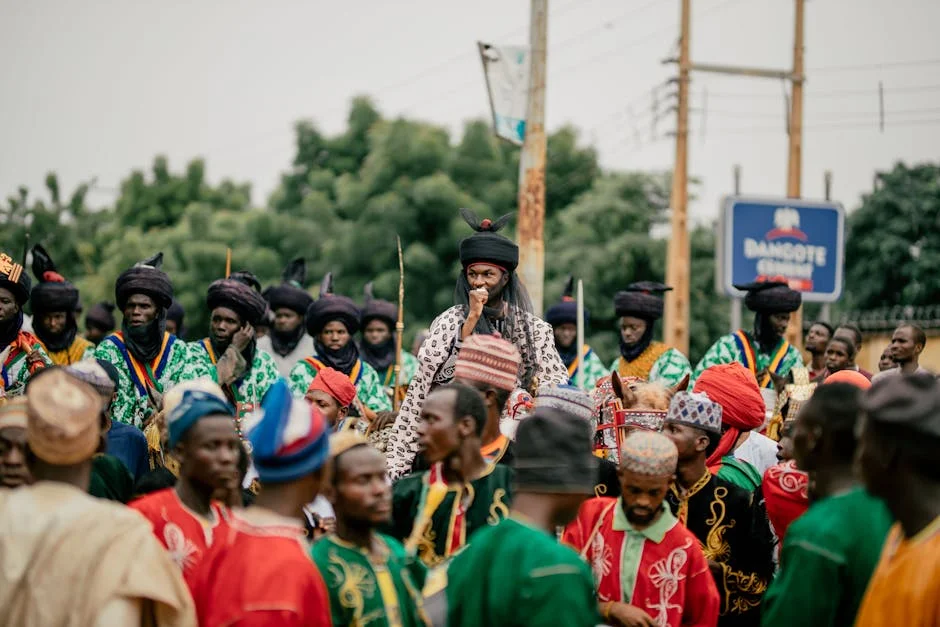
Local residents described the attack as one of the most brazen in recent months. “We are terrified,” said Amina Yusuf, a mother of three from Monguno. “Every night, we hear explosions and gunfire. We don’t know when the next attack will come.” The attack has also disrupted daily life in the region, with schools and markets closing temporarily as security forces increased their presence.
Tinubu Urges Unity and Support
In a public statement, President Tinubu condemned the attack and urged Nigerians to stand behind the military. “This is a dark day for our nation, but we will not be intimidated,” he said. “The armed forces are doing their duty, and we must support them in every way possible.” The president’s call for unity comes amid growing pressure on the government to improve security in the north-east, where thousands have been displaced by years of violence.
The Federal Road Safety Corps has also been deployed to the area to assist in securing key roads and preventing the movement of armed groups. Meanwhile, the Ministry of Defence has announced plans to reinforce military bases in Borno and surrounding states. However, many locals remain skeptical about the effectiveness of these measures.
Impact on Local Economy and Daily Life
The attack has had a direct impact on the local economy, with traders and farmers reporting a sharp decline in business. “Since the attack, people are afraid to travel to the market,” said Musa Adamu, a local trader. “Sales have dropped by more than 50% in the past week.” The region, which relies heavily on agriculture, has also seen a slowdown in farming activities due to the heightened security presence and fear of violence.
Health facilities in Monguno are struggling to cope with the influx of injured civilians and soldiers. Dr. Hauwa Umar, a physician at the local hospital, said: “We are overwhelmed. We don’t have enough supplies or personnel to treat everyone.” The situation has prompted calls for increased government aid to support the region’s healthcare system and provide relief to affected families.
Community Response and Resistance
Despite the fear, some community leaders have taken matters into their own hands. In Monguno, a local vigilante group has formed to protect residents from further attacks. “We can’t wait for the government to save us,” said Umar Bello, a community leader. “We are taking action to protect our people.” However, the formation of such groups has raised concerns about the potential for further violence and the lack of government oversight.
Meanwhile, human rights organisations have warned against the rise of vigilante activities, citing the risk of extrajudicial actions and the erosion of state authority. “While the intentions may be good, these groups operate outside the law and can cause more harm than good,” said Zainab Aminu, a representative from the Nigerian Human Rights Commission.
What to Watch Next
The Nigerian government has announced plans to hold a security review meeting within the next two weeks to assess the situation in Borno and other affected states. The outcome of this meeting could determine whether additional military resources or policy changes are introduced. Meanwhile, international aid agencies are preparing to send emergency supplies to the region, including food, water, and medical equipment.
For now, the people of Borno remain on edge, hoping for a return to stability. With the threat of further attacks lingering, the coming weeks will be critical in shaping the future of the region. Citizens are being urged to remain vigilant and report any suspicious activity to local authorities.