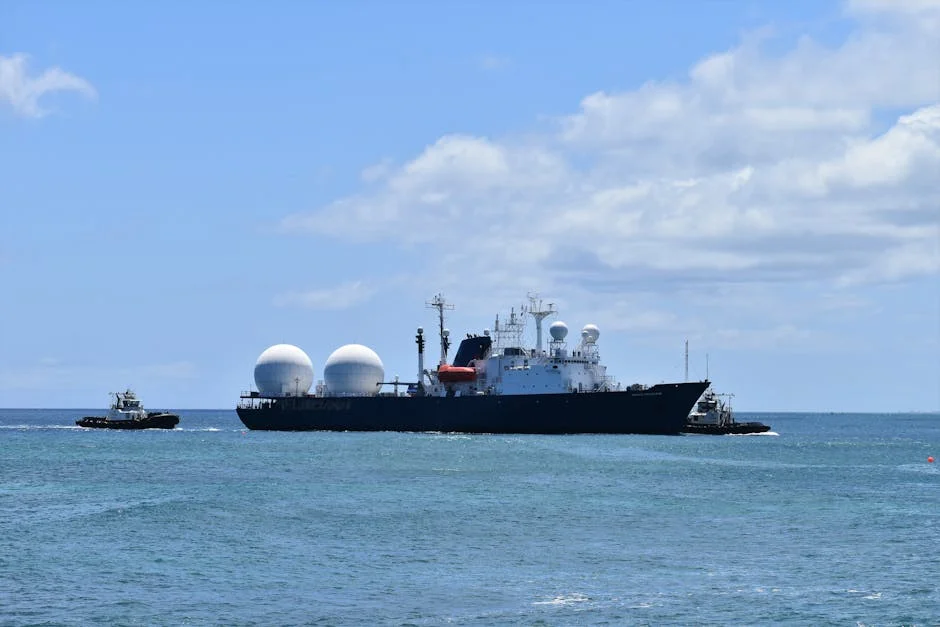
Donald Trump has once again warned Iran over its actions in the Strait of Hormuz, a critical waterway for global oil trade. The former US president, who has been vocal about his stance on Middle East affairs, made the remarks during a campaign event in Florida. The Strait, which lies between the Arabian Peninsula and Iran, is a strategic chokepoint where 20% of the world’s oil passes through daily. This renewed rhetoric has raised concerns among regional stakeholders, particularly in India, which relies heavily on stable energy supplies from the Middle East.
Strategic Importance of the Strait of Hormuz
The Strait of Hormuz is a vital maritime corridor, with over 17 million barrels of oil passing through it daily. Any disruption in this region can cause global oil prices to spike, directly affecting economies across Asia, including India. The Indian government has previously expressed concerns about the stability of the region, given its reliance on oil imports from the Middle East. A single incident in the strait could lead to a 5% increase in fuel prices, as seen during past tensions between Iran and the US.
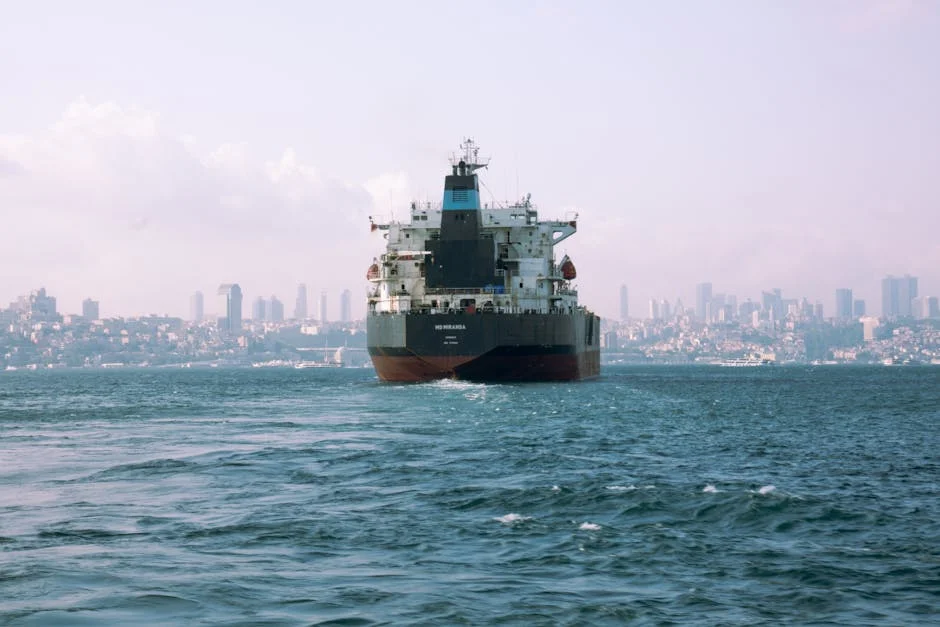
India’s Ministry of External Affairs has been monitoring the situation closely. A senior official, speaking on condition of anonymity, said, “We are aware of the growing tensions and are in regular contact with our regional partners to ensure stability.” The Indian government has also been engaging with Gulf Cooperation Council (GCC) members to explore alternative shipping routes and energy diversification strategies.
Regional Impact on Citizens and Communities
The threat of conflict in the Strait of Hormuz could have immediate effects on Indian citizens. Fuel prices are already a sensitive issue, with diesel prices in India reaching a record high of ₹103.50 per litre in May 2023. Any further escalation in the region could push these prices higher, increasing the cost of living for millions. Additionally, the Indian diaspora in the Gulf, which numbers over 3 million, could face travel and work disruptions if security conditions worsen.
Local businesses in coastal regions, especially in Gujarat and Maharashtra, are also watching the situation closely. These states are heavily dependent on shipping and trade, with ports like Mundra and Nhava Sheva handling a significant portion of India’s maritime cargo. Any delay or increase in shipping costs could ripple through the supply chain, affecting everything from manufacturing to retail.
Political and Economic Tensions
The US has been involved in a long-standing dispute with Iran, particularly after the 2018 withdrawal from the Iran nuclear deal. Trump’s administration imposed strict sanctions on Iran, leading to a sharp decline in oil exports. While the Biden administration has sought to re-engage with Iran, tensions remain high. The recent threats from Trump signal a possible shift in US policy, which could further destabilize the region.
Israel, a key US ally in the region, has also been vocal about its concerns. The Israeli Ministry of Defense has warned that any Iranian military action in the Strait could trigger a direct response. This has led to increased military activity in the region, with both the US and Israel conducting joint naval exercises in the Gulf.
Global and Regional Responses
The United Nations has called for de-escalation, urging all parties to avoid actions that could lead to conflict. Meanwhile, regional powers like China and Russia have been increasing their diplomatic efforts to mediate between the US and Iran. China, which is a major buyer of Iranian oil, has warned against any unilateral actions that could disrupt global trade.
India has taken a more neutral stance, advocating for dialogue and diplomatic solutions. However, the government has also been exploring alternative energy sources, including increased imports from African and Latin American countries. This strategy aims to reduce dependence on the volatile Middle East region.
What to Watch Next
The coming weeks will be critical in determining the trajectory of tensions in the Strait of Hormuz. The US and Iran are expected to hold indirect talks in the coming months, with the goal of easing hostilities. In India, the government is preparing for potential energy price hikes and has announced plans to increase domestic oil reserves. Citizens are advised to monitor fuel prices and stay informed about regional developments, as the situation could have far-reaching economic consequences.