Londoners braced for a chaotic weekend as Transport for London (TfL) announced the closure of two major tube lines, the Northern and Victoria lines, for essential maintenance. The disruption affects over 1.5 million daily commuters, with significant delays and overcrowding reported on alternative routes. The shutdown, scheduled from 10 PM on Saturday to 6 AM on Monday, has sparked frustration among residents and businesses across the city.
Impact on Daily Commutes and Local Economy
The closures are expected to cause severe disruptions for workers, students, and shoppers in central and north London. TfL confirmed that 11 other lines will face partial service reductions, with some stations closed entirely. The Northern Line, which serves key areas like Bank, Euston, and Waterloo, is a lifeline for thousands of commuters, many of whom rely on it for work and school. The Victoria Line, connecting London’s west and east, is also a major artery for businesses and tourists.
Local businesses in areas like King’s Cross and Brixton have expressed concern over the potential loss of customers. “We’re already seeing fewer people coming in because of the disruption,” said Sarah Patel, a café owner in Islington. “It’s not just about the commute—it’s about the whole community.” The economic ripple effect is expected to be felt across the region, with transport delays likely to impact retail, hospitality, and service sectors.
Public Reaction and Community Response
Residents have taken to social media to voice their frustration, with #LondonTubeDisruption trending on Twitter. Many criticized TfL for the lack of clear communication and alternative transport options. “It’s not just about the inconvenience—it’s about the lack of planning,” said Londoner James Carter. “We’ve been told about this for weeks, but there’s no real solution.”
Community groups have stepped in to offer support, with volunteers distributing information at key stations and helping stranded passengers. The London Community Action Network (LCAN) launched a hotline for those affected, providing real-time updates and advice. “We’re trying to keep people informed and connected,” said LCAN spokesperson Amina Rahman. “This is a tough time for everyone, but we’re here to help.”
Long-Term Implications for Transport Infrastructure
The closures come as part of TfL’s broader plan to modernize London’s aging rail network. The work includes replacing signals, upgrading tracks, and installing new safety systems. While the long-term benefits are clear, the short-term disruption has raised questions about the timing and planning of such projects. TfL acknowledged the challenges, stating that the maintenance is necessary to prevent future breakdowns and ensure safer services.
Experts argue that the current situation highlights the need for better infrastructure investment. “London’s transport system is under immense pressure,” said Dr. Emily White, a transport analyst at Imperial College London. “Without significant upgrades, we’ll continue to see these kinds of disruptions.” The government has pledged to invest £5 billion in the next five years, but many feel it’s not enough to meet the growing demands of the city’s population.
Alternative Transport Solutions
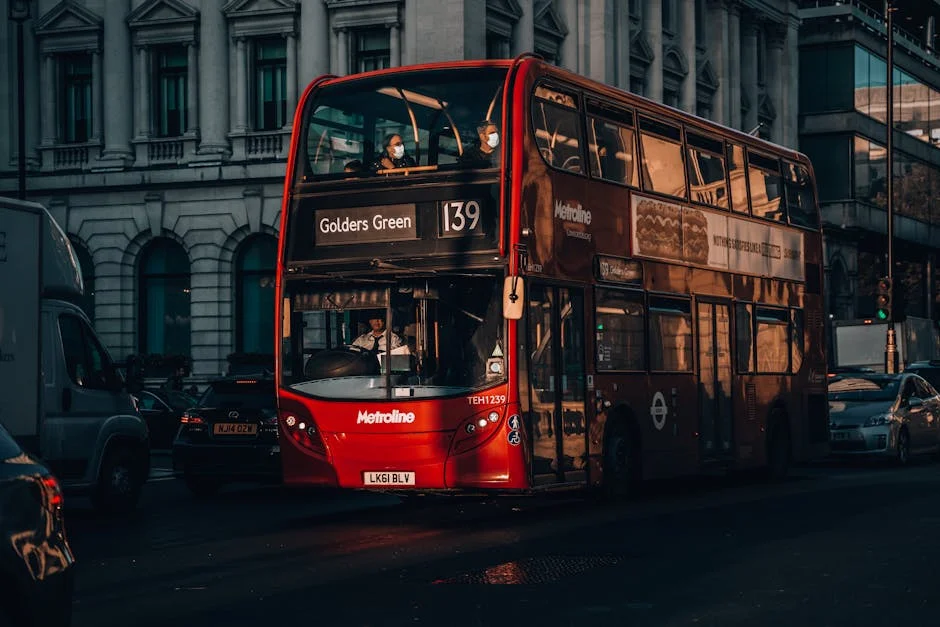
TfL has advised passengers to use alternative routes, including buses, taxis, and the Overground. However, the increased demand on these services has led to overcrowding and longer wait times. The London Bus Network reported a 20% rise in passenger numbers on key routes, with some buses reaching full capacity. TfL has also deployed additional staff to manage the congestion and provide assistance.
For those planning to travel, TfL recommends checking the official website or app for real-time updates. The organization has also set up a dedicated helpline for affected passengers. Despite these efforts, many commuters are calling for more transparency and better communication from TfL. “We need more than just updates—we need solutions,” said local councillor David Mitchell.
Looking Ahead: What Comes Next?
The disruptions are expected to last until early next week, with full service on the Northern and Victoria lines resuming by Monday morning. However, TfL has warned that further maintenance work may be needed in the coming months, which could lead to more temporary closures. The organization has also announced plans to introduce a new ticketing system by 2025, which could offer more flexibility for commuters.
For now, Londoners are navigating the chaos with a mix of frustration and determination. As the city prepares for the next phase of its transport overhaul, the focus remains on balancing the need for modernization with the immediate needs of its residents. “We need to find a way to move forward without leaving people behind,” said London Mayor Sadiq Khan in a recent statement. “This is a challenge we must tackle together.”