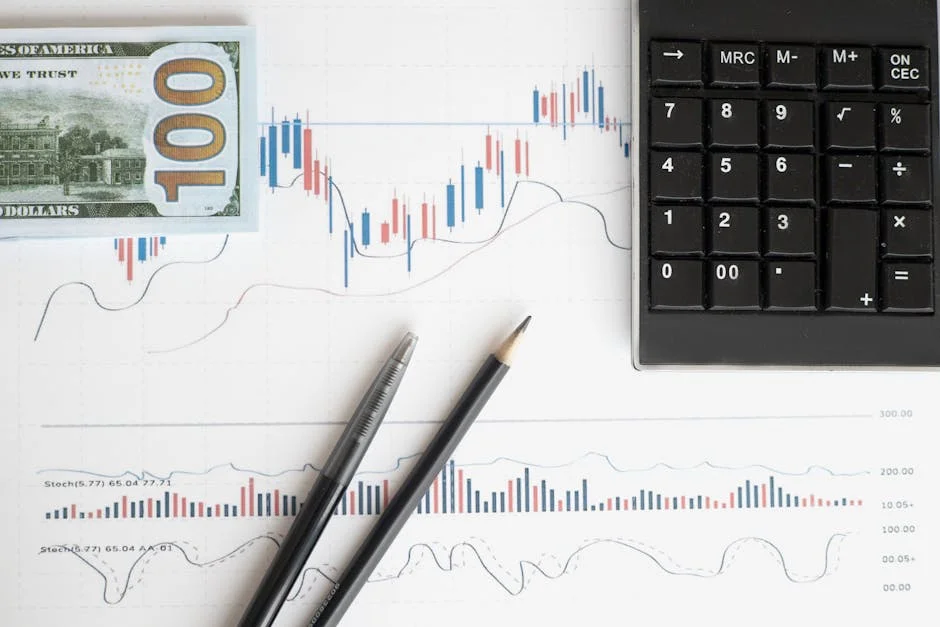
The Indian stock market, represented by the benchmark Sensex, fell 2.3% on Thursday as tensions in West Asia intensified, raising concerns about the impact on the country's economy and daily life. The decline came after a five-day surge, highlighting the volatility of financial markets amid global geopolitical shifts. The Ministry of Finance has warned that rising uncertainty could affect trade and investment flows, particularly in key sectors like manufacturing and exports.
Market Volatility and Investor Anxiety
The Sensex, which closed at 61,450 points on Thursday, saw a sharp drop as investors reacted to reports of renewed clashes in West Asia. The region, a major supplier of oil and raw materials, has seen its stability threatened by a fragile ceasefire. The slump has raised fears among traders and investors, who are now bracing for further fluctuations. "The market is highly sensitive to external shocks, and any escalation in West Asia could have a ripple effect on Indian consumers," said Rajiv Mehta, an analyst at Axis Securities.
Local businesses, particularly those reliant on imported goods, are already feeling the pressure. In Mumbai, a major commercial hub, retailers report higher costs for raw materials, leading to price hikes for everyday products. "We are seeing a 5-7% increase in the cost of imported electronics and machinery," said Anjali Patel, a shop owner in Dadar. "This is directly affecting our customers, who are now paying more for essentials."
Impact on Daily Life and Local Economy
The fall in the Sensex has broader implications for the Indian economy, especially for middle-class families who depend on stock market-linked savings and pensions. With inflation already at a 6.5% annual rate, the market's instability could further erode purchasing power. In cities like Hyderabad and Bangalore, where many IT professionals rely on stock market returns, the uncertainty has led to cautious spending and delayed investment decisions.
The government has been monitoring the situation closely, with the Reserve Bank of India (RBI) preparing contingency measures to stabilize the financial system. "We are in constant communication with global partners to mitigate risks," said RBI Governor Shaktikanta Das. "Our priority is to ensure that the Indian economy remains resilient in the face of external shocks."
Regional Concerns and Community Response
Communities in western India, particularly in Gujarat and Maharashtra, are especially vulnerable due to their reliance on trade with West Asian countries. The region is a major gateway for oil and gas imports, and any disruption in supply could lead to higher energy costs. Local leaders have called for more transparency and support from the central government to cushion the impact on small businesses and workers.
In Ahmedabad, a group of local entrepreneurs has formed a coalition to advocate for policy changes that would reduce dependence on volatile global markets. "We need more focus on domestic production and alternative energy sources," said Ravi Sharma, a member of the coalition. "This is not just about the economy — it's about the livelihoods of thousands of people."
Long-Term Implications and Policy Shifts
The current crisis has prompted calls for a more self-reliant economic strategy, with some experts suggesting a shift towards renewable energy and local manufacturing. "India must reduce its exposure to external factors that are beyond our control," said Dr. Priya Kapoor, an economist at the Indian Institute of Management. "This is a wake-up call for structural reforms."
Some policymakers are already pushing for a review of trade agreements and energy diversification plans. The Ministry of Petroleum has announced plans to increase domestic oil production by 10% over the next three years, aiming to reduce reliance on imports.
Looking Ahead: What Comes Next?
As the situation in West Asia remains uncertain, the Indian market is expected to remain volatile in the coming weeks. Investors will be closely watching for any signs of a lasting ceasefire or policy changes from the government. The next major economic data release, scheduled for early next month, will offer further insight into how the crisis is affecting the broader economy.
For citizens, the immediate priority is to stay informed and make prudent financial decisions. With the Sensex at a critical juncture, the coming days will determine whether the market can recover or if the fallout from global tensions will continue to ripple through local communities.