Nigeria's military confirmed the deaths of at least 12 soldiers and the killing of a senior general in a deadly attack on a base in Borno state, a region long plagued by jihadist violence. The assault, carried out by armed militants linked to Boko Haram, targeted the base in Maiduguri, the capital of Borno, on Tuesday evening. The incident has intensified fears of a resurgence in the conflict that has killed thousands over the past decade.
Attack Leaves Local Communities in Shock
The attack on the military base in Maiduguri sent shockwaves through the local population, many of whom have lived under the threat of violence for years. Residents described the attack as one of the most brazen in recent memory. "It was like a war zone," said Aisha Musa, a local shopkeeper. "We heard explosions and gunfire, and then we saw people running in panic." The attack has raised concerns about the security situation in the region, which has seen a decline in large-scale attacks in recent years but remains vulnerable to sporadic violence.
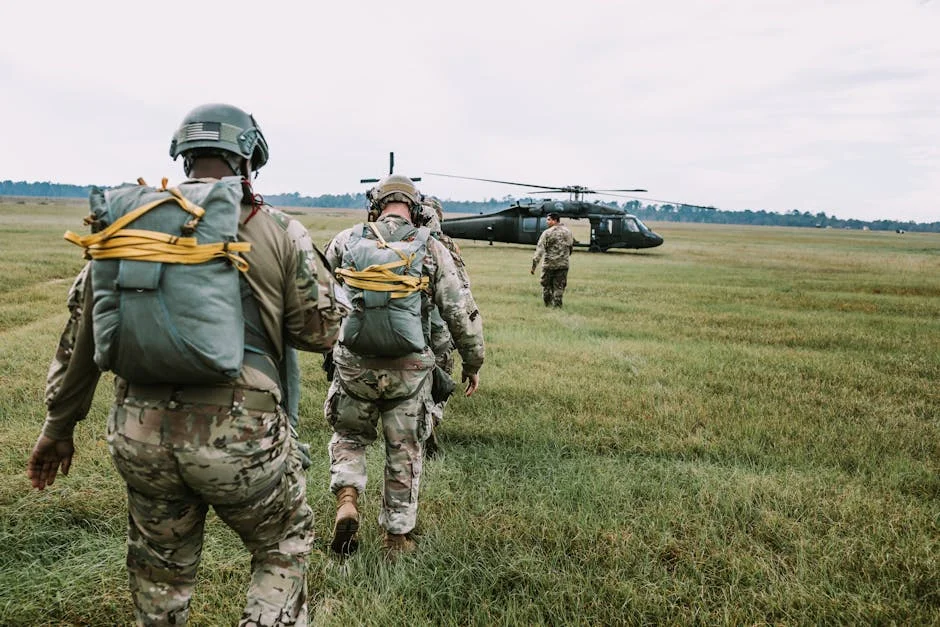
Local authorities have declared a state of emergency in parts of Borno, urging residents to remain vigilant. The Nigerian Army, which has been engaged in a long-running campaign against Boko Haram, has not yet released a full report on the casualties. However, a military spokesperson confirmed that General Yakubu Musa, a senior officer based at the Maiduguri facility, was killed in the attack. His death has been a blow to the already strained military leadership in the region.
Impact on Daily Life and Local Economy
The attack has had immediate consequences for the daily lives of Borno residents. Markets in Maiduguri, which had begun to see a slight recovery in recent months, have been forced to close temporarily. "Business is down by at least 50%," said Muhammad Abubakar, a market vendor. "People are scared to come out, and those who do are hesitant to spend." The local economy, already weakened by years of conflict, now faces new challenges as fear and uncertainty take hold.
Humanitarian groups have warned that the attack could worsen the already dire conditions for displaced families in the region. Borno state is home to over 200,000 internally displaced people, many of whom rely on aid from international organisations. "This attack will likely lead to more displacement and a greater need for humanitarian assistance," said Fatima Hassan, a representative from the International Rescue Committee. "We are preparing for an increase in demand for food, shelter, and medical supplies."
Community Response and Calls for Security
Local communities have responded with a mix of fear and determination. In Maiduguri, residents have begun forming neighborhood watch groups to monitor for any signs of unrest. "We can't rely on the military alone," said Lami Adamu, a community leader. "We need to protect our own families." The government has also pledged to increase security in the region, but many residents remain skeptical about the effectiveness of such measures.
Meanwhile, religious and community leaders have called for unity and resilience. "We must not let fear divide us," said Imam Usman Ibrahim, a prominent figure in Maiduguri. "This is a time for solidarity and strength." The attack has also reignited discussions about the long-term security strategy for Borno, with many questioning whether current efforts are sufficient to prevent future violence.
Regional and National Implications
The attack has raised concerns about the security situation across northern Nigeria. Borno is one of the most affected states in the region, but neighboring states like Adamawa and Yobe have also seen sporadic violence. The federal government has been under pressure to address these challenges, with critics arguing that military operations have not been enough to fully eliminate the threat of Boko Haram.
At the national level, the attack has reignited political debates about the effectiveness of the current administration’s security policies. Opposition leaders have called for an independent investigation into the attack, while the ruling party has defended its record. "We are committed to protecting our citizens," said a spokesperson for the ruling All Progressives Congress. "We will continue to take all necessary steps to ensure security across the country."
What Comes Next?
The Nigerian military has announced plans to conduct a full investigation into the attack and to deploy additional forces to Borno. However, the path to stability remains uncertain. Analysts warn that without a comprehensive strategy that includes both military and development efforts, the region will continue to face challenges. "This attack is a reminder that the threat is far from over," said Dr. Chidi Nwabudike, a security analyst at the Nigerian Institute for International Affairs.
For now, the people of Borno remain on edge, watching for any signs of further violence. As the region grapples with the aftermath of the attack, the focus will be on how quickly the government can restore a sense of security and stability. The coming weeks will be critical in determining whether the situation in Borno can be brought under control or if the cycle of violence will continue.