LinkedIn has faced a surge in backlash after users discovered the platform was scanning browser extensions for data, leading to two lawsuits filed in California. The controversy has sparked concerns among Indian users, who rely heavily on the professional networking site for job searches, business connections, and career growth. The issue has raised questions about digital privacy and data security, particularly in a region where online activity is increasingly monitored by both corporations and government agencies.
How LinkedIn’s Data Practices Affect Indian Users
The lawsuits allege that LinkedIn accessed users’ browser extensions without explicit consent, collecting information about their online activities. This has left many Indian professionals, especially in cities like Bangalore, Hyderabad, and Mumbai, questioning how their data is being used. The practice is seen as a direct threat to digital privacy, with users fearing that their professional and personal activities may be tracked without their knowledge.
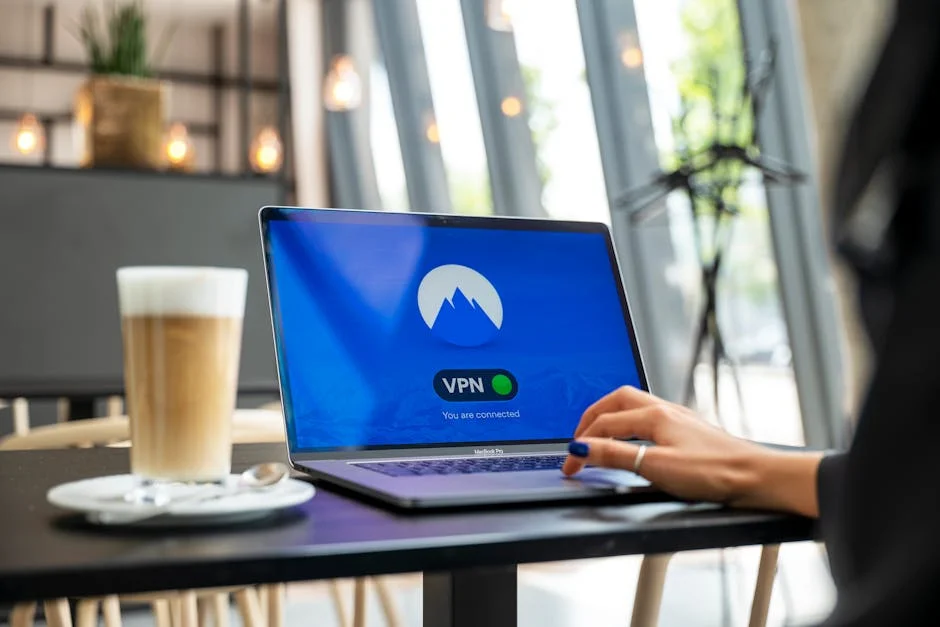
India’s digital economy is growing rapidly, with over 700 million internet users as of 2023, according to the Internet and Mobile Association of India. LinkedIn, with its large user base in the country, has become a critical platform for job seekers and recruiters. The controversy has prompted a wave of concern among users, many of whom have started to question the security of their personal and professional data on the platform.
Legal and Regulatory Implications
The two lawsuits, filed by Indian users in the United States, argue that LinkedIn violated the Computer Fraud and Abuse Act and California’s Consumer Privacy Act. One of the plaintiffs, a software engineer from Pune, said he was shocked to learn that LinkedIn had accessed his browser data. “I never gave them permission to see what I was doing on my browser,” he said. “This feels like a complete invasion of privacy.”
India’s data protection laws are still evolving, with the Personal Data Protection Bill currently under consideration. The issue highlights the need for stronger regulations to protect users from corporate overreach. Privacy advocates in the country are calling for stricter enforcement of data protection laws, especially as global tech companies expand their operations in India.
Industry Response and User Reactions
LinkedIn has not yet issued a public statement on the lawsuits, but the company has acknowledged the issue in internal communications. A spokesperson for the platform said, “We are aware of the concerns raised by users and are reviewing our practices to ensure transparency and compliance.”
Indian users have taken to social media to express their frustration. On Twitter, hashtags like #LinkedInPrivacy and #DataProtectionIndia have trended, with many users vowing to delete their accounts. “I will not trust LinkedIn anymore,” said a user from Chennai. “If they can scan my browser, what else are they doing?”
Impact on Local Businesses and Job Seekers
Small businesses and job seekers in India rely on LinkedIn for networking and recruitment. The controversy has led to a decline in user trust, with some companies reconsidering their use of the platform for hiring. A recruitment agency in Delhi reported a 20% drop in user engagement since the news broke, according to a recent internal report.
For job seekers, the issue has raised concerns about the security of their professional profiles. Many fear that their data may be used for purposes beyond job searching, such as targeted advertising or even surveillance. “I have spent years building my profile on LinkedIn,” said a marketing professional from Kolkata. “Now I’m worried about what might happen to it.”
What Comes Next?
The lawsuits are expected to take months to resolve, with the first court hearing scheduled for early 2024. In the meantime, users are advised to review their privacy settings and limit the data they share on the platform. LinkedIn has also been urged to provide clearer information about how user data is collected and used.
As India continues to develop its digital infrastructure, the case has become a focal point for discussions on data privacy and corporate accountability. Users and regulators alike are watching closely to see how the situation unfolds and what steps LinkedIn will take to restore trust among its Indian users.