Kamal Kharazi, the former Iranian foreign minister, died in New York on April 5, less than a week after he was injured in a suspected US-Israeli strike in Tehran. The incident has sent shockwaves through diplomatic circles and raised concerns about escalating regional tensions. Kharazi, 78, was a key figure in Iran's foreign policy during the 1990s and early 2000s, and his death has triggered an outpouring of grief from both Iranian and international officials.
Death in New York Sparks Diplomatic Outcry
Kharazi was admitted to a New York hospital on April 1 after suffering severe injuries in an attack that Iran claims was carried out by US and Israeli intelligence agencies. The Iranian government has not released detailed medical reports, but officials say the former minister was in critical condition. His death has led to an immediate diplomatic response from Iran, with the Ministry of Foreign Affairs condemning the attack as an act of "state-sponsored terrorism."
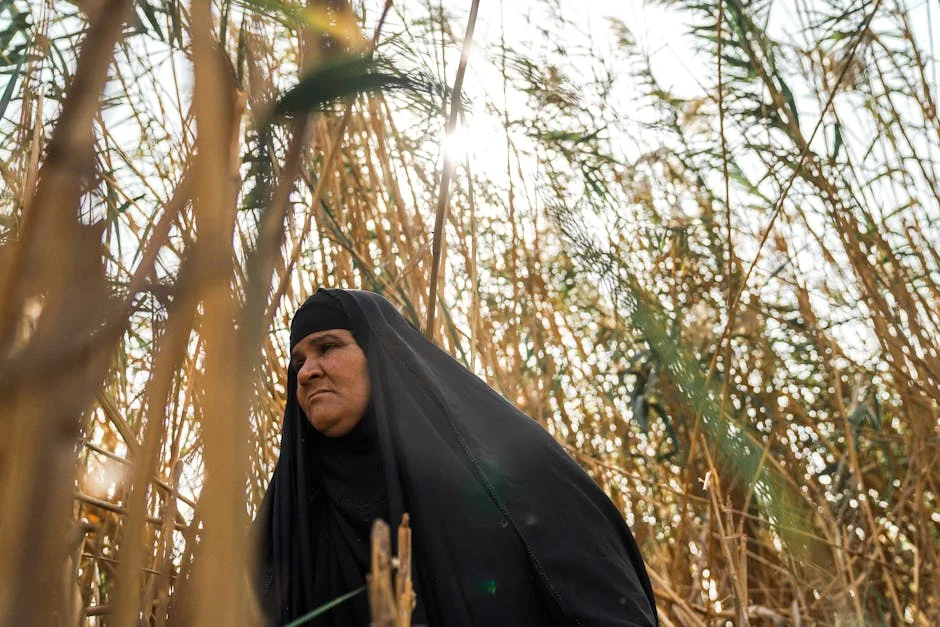
The circumstances of the attack remain unclear. Iranian state media reported that Kharazi was targeted in a coordinated strike in central Tehran, though no group has officially claimed responsibility. US and Israeli officials have not commented on the incident, but regional analysts suggest the strike may be linked to ongoing intelligence operations against Iranian officials suspected of involvement in cross-border attacks.
Impact on Regional Relations and Public Sentiment
The death of Kharazi has intensified existing tensions between Iran and its regional adversaries. In the past year, Iran has accused the US and Israel of conducting covert operations targeting its political and military leadership. This incident has only deepened those suspicions, with Iranian state media framing the attack as a direct threat to national security.
Public sentiment in Iran has been largely unified in condemnation. Protests have erupted in several cities, with demonstrators demanding accountability from the US and Israel. In New York, where Kharazi was treated, the Iranian community has called for a thorough investigation into the circumstances of his death. "This is not just a loss for Iran, but for the entire region," said Ali Rezaei, a community leader in Brooklyn.
Domestic and International Reactions
The Iranian government has issued a formal statement calling for an emergency meeting of the UN Security Council, accusing the US and Israel of violating international law. Meanwhile, regional allies such as Iraq and Lebanon have expressed concern over the potential for further escalation. In Baghdad, the Iraqi government has urged restraint, warning that the situation could destabilise an already fragile Middle East.
Internationally, the incident has drawn mixed reactions. The European Union has called for a "transparent and impartial investigation," while the United Nations has urged all parties to avoid actions that could worsen regional tensions. The US has not publicly addressed the issue, but officials in Washington have reportedly been in close contact with Israeli intelligence agencies to assess the situation.
What to Watch Next
The next few days will be critical in determining how this incident unfolds. Iran has announced plans to hold a special session of its parliament to discuss the matter, and regional leaders are expected to meet in Cairo to address the growing instability. Meanwhile, the US and Israel are under pressure to clarify their stance on the attack. Analysts suggest that the situation could lead to a new phase of diplomatic and military posturing in the region.
For now, the focus remains on the families of Kharazi and the broader implications for Iran's foreign policy. The death of a prominent diplomat in such circumstances is a stark reminder of the high stakes involved in regional conflicts. As the world watches, the next steps will shape the future of Middle East diplomacy and security.
Looking Ahead: A Regional Crossroads
With tensions at a boiling point, the coming weeks will determine whether this incident leads to further conflict or a renewed push for dialogue. Iran has warned that it will take "all necessary measures" to protect its interests, a statement that has raised alarms in Washington and Tel Aviv. The international community is closely monitoring the situation, with many fearing a potential chain reaction in the region.
For citizens in India and other regions affected by Middle East instability, the implications are far-reaching. The region's political volatility can impact global oil prices, trade routes, and even domestic energy policies. As the situation develops, en-IN readers should remain vigilant to how this unfolding story could influence their daily lives and economic conditions.