Britain has dismissed claims of a Christian revival, with the Archbishop of Canterbury, Justin Welby, stating that the country is not experiencing a religious resurgence. The statement comes as data from the 2021 census shows that only 46% of the population now identifies as Christian, down from 59% in 2011. This shift is raising concerns among religious leaders and communities across the UK, particularly in cities like Manchester and Birmingham, where faith-based institutions are adapting to a more secular society.
Secular Trends and Church Attendance
Church attendance in England and Wales has dropped significantly, with only 8% of people attending weekly services in 2023, according to the Church of England’s latest report. This is a sharp decline from 20% in the early 2000s. In Manchester, St. Ann’s Church has seen a 40% reduction in regular attendees over the past decade. Rev. Sarah Thompson, a local parish priest, said, “We’re seeing fewer young people coming through the doors, and that’s affecting our ability to sustain community programs.”
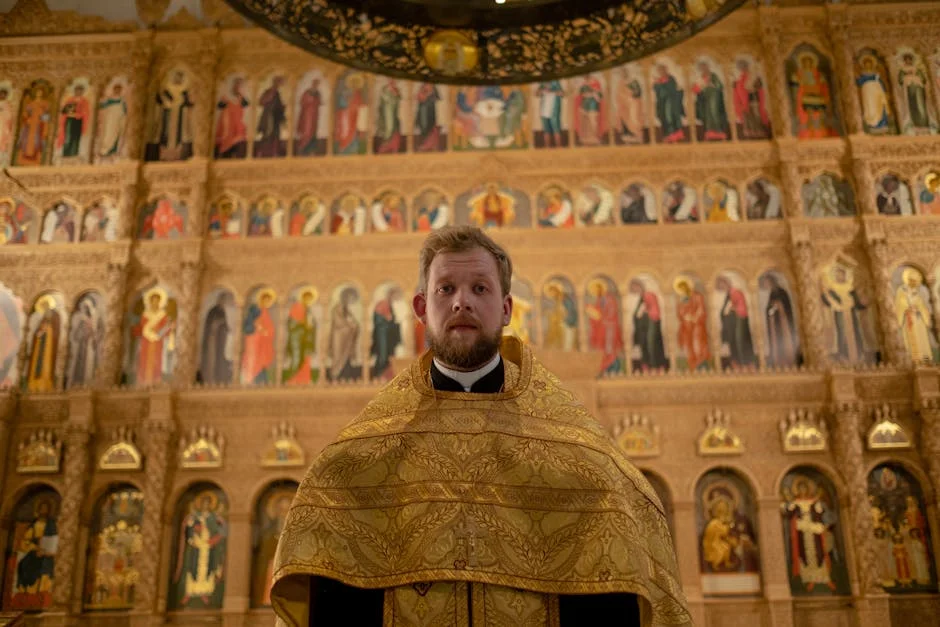
The trend is not limited to urban areas. In rural parts of Yorkshire, small village churches are closing due to a lack of congregants. The Diocese of York has announced the closure of seven churches in 2024, citing financial and staffing challenges. “It’s a sad reality,” said Bishop John Whitaker. “We’re struggling to keep our doors open, and it’s impacting the communities that rely on us for support.”
Impact on Faith-Based Communities
Communities that once relied on Christian institutions for social services are now turning to secular organisations for help. In Birmingham, the Muslim Welfare Association has reported a 25% increase in requests for food aid and mental health support. “We’re seeing people from all backgrounds coming to us, not just Muslims,” said Amina Khan, a community officer. “But the Christian charities that used to be a mainstay are no longer there.”
Local councils are stepping in to fill the gap. In Liverpool, the city council has partnered with non-religious charities to provide free legal advice and youth programs. Councillor Mark Reynolds said, “We’re not replacing faith groups, but we’re ensuring that people still have access to essential services.”
Religious Outreach and New Strategies
Some churches are adapting by focusing on youth engagement and digital outreach. The Church of England launched a new initiative in 2023, offering online worship services and virtual community events. “We’re trying to reach people where they are,” said Rev. David Morgan, who leads the initiative. “It’s not the same as in-person services, but it’s a start.”
Other churches are collaborating with local schools and businesses. In Bristol, St. Nicholas Church has partnered with a tech startup to offer coding classes for young people. “We’re not just about worship,” said Rev. Linda Carter. “We want to be part of the community in a meaningful way.”
Broader Implications for Faith and Society
The decline of Christian influence in Britain is not just a religious issue but a social one. It affects everything from public policy to community cohesion. In London, a recent survey by the Centre for Social Cohesion found that 60% of respondents believe religious institutions have less influence on public life than they did 20 years ago. “This is a shift that’s happening across the board,” said Dr. Rachel Lee, a sociologist at the University of Oxford. “It’s changing how communities interact and how services are delivered.”
Religious leaders are also worried about the long-term effects. “If young people don’t see religion as relevant, we risk losing the moral and ethical framework that has shaped our society,” said Archbishop Welby. “But we also need to be open to new ways of engaging with faith.”
What to Watch Next
As the trend continues, the next few years will be critical for religious institutions in Britain. The Church of England is expected to announce new strategies for community engagement in early 2025, while local councils are preparing to expand their social service programs. The impact of these decisions will be felt across the country, particularly in communities that have relied on faith-based organisations for decades.
For citizens and communities in India, the situation in Britain offers a glimpse into the broader global shift toward secularism and the evolving role of religion in public life. As more countries face similar trends, the lessons from Britain could shape how faith and society interact in the future.