Thousands of Indigenous protesters have gathered in Brasília for the third consecutive day, demanding land rights and government action to protect their communities. The Free Land Encampment, a coalition of Indigenous groups, has set up a large protest site near the presidential palace, drawing attention to longstanding disputes over land ownership and environmental destruction. The demonstrations, led by the Indigenous leader Maria da Silva, have highlighted growing frustration over the slow pace of policy change and the impact of deforestation on their way of life.
Indigenous Protests Intensify in Brasília
The march, which began on April 5, has seen a steady increase in participants, with estimates suggesting over 5,000 people have joined the protest. The Free Land Encampment, a coalition of over 30 Indigenous tribes, has called for stronger legal protections for their ancestral lands. Maria da Silva, a spokesperson for the group, stated, “We are not asking for much—just the right to live on our lands without fear of being displaced or exploited.”
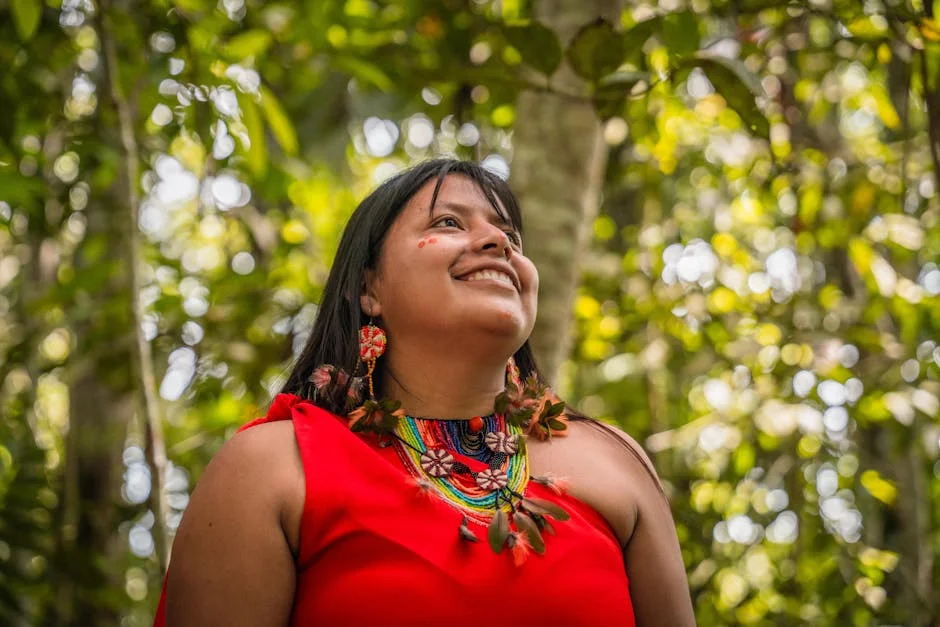
The protest has drawn attention from national and international media, with many highlighting the role of the Brazilian government in failing to enforce land rights. The Ministry of Indigenous Affairs has been criticized for its inaction, with some local leaders accusing it of prioritizing economic development over Indigenous welfare. The encampment has also raised concerns about the impact of illegal logging and mining on the Amazon rainforest, which is home to many of these communities.
Impact on Local Communities and Economy
The protests have had a direct effect on the daily lives of people in Brasília and surrounding areas. Local businesses near the encampment have reported a decline in foot traffic, with some shops closing temporarily to avoid unrest. “We rely on the crowds that come to the capital for events and tourism,” said João Ferreira, a shop owner in the city center. “This is affecting our income.”
The broader economic impact is also being felt. The Amazon region, which is central to the protests, is a key area for agriculture and natural resource extraction. Many local farmers and small businesses have expressed concerns that the government’s failure to address Indigenous land rights could lead to further instability. “If the government doesn’t act, we all suffer,” said Ana Costa, a farmer from Mato Grosso. “We depend on the land, and it’s under threat.”
Environmental groups have also weighed in, emphasizing the connection between Indigenous land rights and conservation. The Brazilian Institute of Environment and Renewable Natural Resources (IBAMA) has acknowledged the need for stronger enforcement, but critics say the agency lacks the resources and political will to act effectively.
Government Response and Political Tensions
The Brazilian government has responded with mixed messages. President Luiz Inácio Lula da Silva, who took office in January, has pledged to support Indigenous rights, but his administration has faced pressure from powerful agribusiness interests. A recent statement from the Ministry of Indigenous Affairs called for dialogue but did not commit to new legislation or policy changes.
Opposition leaders have criticized the government for not doing enough to protect Indigenous lands. “This is a test of Lula’s commitment to his promises,” said Senator Carlos Eduardo, a member of the opposition. “If he doesn’t act now, he risks losing the trust of the Indigenous communities and the public.”
Meanwhile, the protests have sparked a broader conversation about the role of Indigenous people in Brazilian society. Many citizens have joined the demonstrations, showing solidarity with the cause. “This isn’t just about land—it’s about justice,” said Paulo Mendes, a student from Brasília. “We need to stand up for our rights and the rights of those who have been ignored for too long.”
Looking Ahead: What Comes Next?
The Free Land Encampment has set a deadline for the government to respond by April 12. If no action is taken, the group has warned of escalating protests, including potential blockades of major roads and infrastructure. The Ministry of Indigenous Affairs has indicated it is preparing for further discussions, but details remain unclear.
Local communities and activists are urging the government to take immediate steps to address land rights and environmental concerns. “We cannot wait any longer,” said Maria da Silva. “Our lands, our future, and our right to exist are at stake.”
As the protests continue, the situation in Brasília will be closely watched by both national and international observers. The coming days could determine whether the government will take meaningful action or face further unrest from Indigenous groups and their allies.