The United Nations has launched a major initiative to boost food security across Africa, with a focus on Kampala, Uganda. The program, announced last week, aims to address chronic hunger and improve agricultural productivity in a region where over 230 million people face food insecurity. The initiative, led by the Food and Agriculture Organization (FAO), will provide technical support and funding to smallholder farmers, who form the backbone of the continent’s food economy.
Regional Food Insecurity Crisis
Africa continues to grapple with a deepening food insecurity crisis, exacerbated by climate change, conflict, and economic instability. In 2023, the United Nations estimated that 230 million people across the continent were in need of urgent food assistance. Kampala, as a major urban hub, is both a center for agricultural innovation and a symbol of the challenges faced by millions in rural areas. The FAO's new project targets 100,000 small-scale farmers in the region, offering training in sustainable farming techniques and access to improved seed varieties.
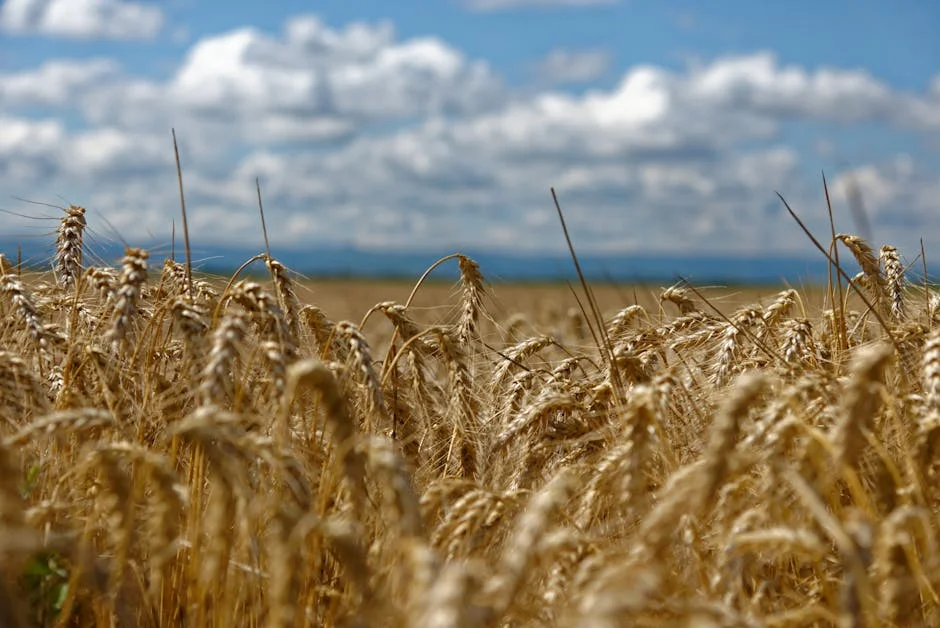
The initiative comes at a critical time. In Uganda, where 27% of the population lives below the poverty line, food prices have risen by 15% in the past year, according to the National Statistics Office. For many families, this has meant cutting back on essential meals, with children often the hardest hit. "This program is a lifeline for us," said Sarah Mutebi, a farmer from Wakiso District. "It gives us the tools to grow more food and feed our families."
Local Economic Impact
The FAO’s efforts are expected to have a ripple effect on the local economy. By increasing agricultural output, the program aims to reduce reliance on food imports and create jobs in rural areas. In Kampala, where the informal sector employs over 70% of the workforce, improved food production could lead to better market access and higher incomes for farmers. This, in turn, could boost consumer spending and stimulate growth in related industries such as transportation and retail.
However, the success of the initiative depends on several factors, including government support and infrastructure development. The Ugandan Ministry of Agriculture has pledged to collaborate with the FAO, but critics argue that more needs to be done to address long-standing issues like poor road networks and limited access to credit. "We need a coordinated approach," said Dr. Josephine Kiggundu, an economist at Makerere University. "Without proper infrastructure, the benefits of this program may not reach the most vulnerable."
Community Response and Challenges
Local communities have responded positively to the FAO’s initiative, with many expressing hope that it will bring lasting change. In rural areas near Kampala, farmers have already begun attending training sessions on soil conservation and crop diversification. These efforts are seen as a step toward greater resilience in the face of unpredictable weather patterns and fluctuating market prices.
Despite the optimism, challenges remain. Climate change continues to threaten agricultural yields, and the ongoing conflict in neighboring South Sudan has disrupted regional trade. Additionally, the high cost of fertilizers and machinery remains a barrier for many smallholder farmers. "We need more than just training," said Michael Okello, a farmer in Masaka. "We need affordable inputs and better access to markets."
Future Steps and Policy Implications
The FAO’s project is part of a broader effort by the United Nations to address food insecurity across Africa. It aligns with the African Union’s 2023 Agenda for Food and Nutrition Security, which calls for a 30% increase in agricultural production by 2030. However, achieving this goal will require sustained investment and political will. The Ugandan government has committed to allocating an additional $50 million to support agricultural development in the coming year, but this falls short of the estimated $150 million needed for full implementation.
As the program rolls out, the focus will shift to monitoring and evaluation. The FAO has pledged to track progress through regular assessments, ensuring that the benefits are distributed equitably. For now, the initiative represents a promising step toward a more food-secure future, but the real test lies in its long-term impact on communities like those in Kampala.
The coming months will be crucial. By the end of 2024, the FAO plans to expand the initiative to other regions in Uganda and beyond. For now, the project offers a glimmer of hope in a region where food security remains a pressing concern. As the UN continues its efforts, the question remains: will this initiative be enough to transform the lives of millions?