President Donald Trump has reportedly considered withdrawing some US troops from Europe, according to a senior White House official, as tensions within NATO continue to rise. The potential shift comes amid growing concerns over the alliance's ability to maintain unity and security in the face of global challenges. The decision, if finalised, could reshape the military landscape in Europe and have far-reaching implications for regional stability.
Strained NATO Relations and Strategic Shifts
The White House official, speaking on condition of anonymity, revealed that discussions are ongoing about reducing the US military footprint in Europe. The move is part of a broader review of US foreign policy, with the administration re-evaluating long-standing commitments. This comes as several NATO members, including Germany and France, have called for greater burden-sharing, citing concerns over the US’s reliance on European allies for defense costs.
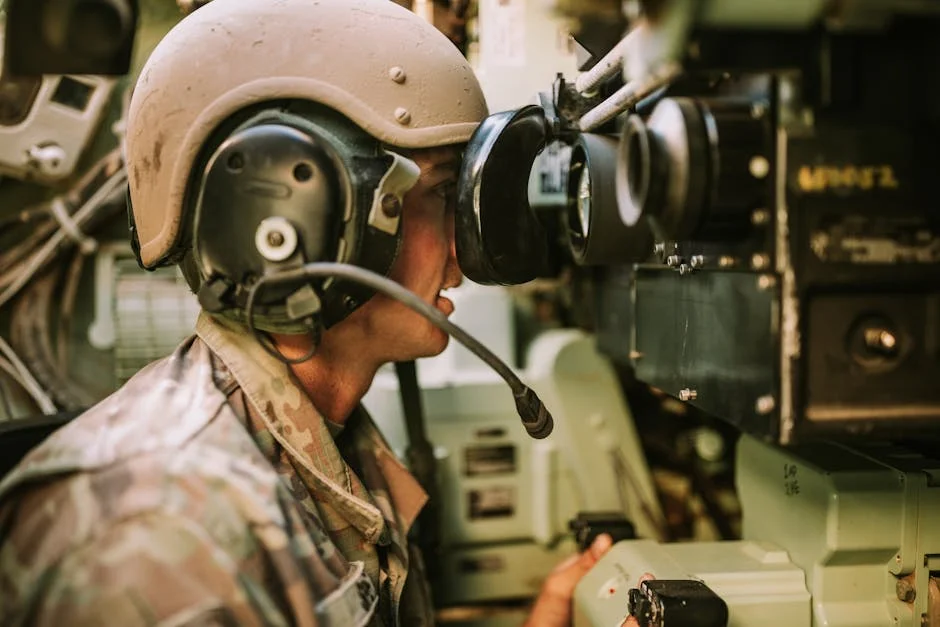
Analysts suggest that the potential troop pullback could weaken the alliance’s deterrence capabilities, particularly in Eastern Europe. The US currently maintains around 60,000 troops in the region, with a significant presence in Germany. A reduction could create a power vacuum, potentially emboldening Russia and other regional actors. NATO Secretary-General Jens Stoltenberg has warned that any changes must be made carefully to avoid undermining collective security.
Impact on European Citizens and Communities
For communities near US military bases, the potential withdrawal could mean a loss of jobs and economic support. In Germany, for example, US bases contribute millions of euros annually to local economies. The city of Ramstein, home to a major US Air Force base, could see a significant economic blow if troops are relocated. Local officials have expressed concern about the impact on small businesses and public services.
Residents in these areas have also grown accustomed to the presence of US forces, which provide a sense of security and stability. The prospect of reduced military presence has raised fears about the long-term security of the region. “We rely on the US to keep us safe,” said a local shop owner in Heidelberg. “If they leave, what will happen?”
Geopolitical Implications for the Region
The potential shift in US military strategy could also affect other strategic locations, such as Greenland and the Strait of Hormuz. Greenland, a self-governing territory of Denmark, has become a focal point in the US’s strategic interests due to its strategic location and access to Arctic resources. The US has previously sought to strengthen its military presence in the region, but the current focus on Europe could shift priorities.
The Strait of Hormuz, a critical maritime chokepoint, remains a key area of concern. The US has maintained a strong naval presence in the area to ensure free passage and counter Iranian influence. However, with the potential reallocation of resources, the region’s security could be compromised, affecting global trade and energy flows. The Indian Ocean, a vital route for oil shipments, could see increased volatility if the US reduces its presence.
Greenland and the Arctic Strategic Landscape
Greenland’s strategic importance has grown in recent years, with the US and other nations vying for influence in the Arctic. The region holds vast untapped resources and is a key area for climate research and military positioning. The US has sought to deepen its ties with Greenland, including a 2019 deal to expand a US military base. However, the current focus on Europe may slow these efforts, impacting the region’s geopolitical dynamics.
The Danish government has consistently opposed any US military expansion in Greenland, citing concerns over sovereignty and environmental impact. The situation highlights the delicate balance between national interests and international alliances. As the US re-evaluates its global strategy, the Arctic region may see a shift in power dynamics, with other nations like China and Russia increasing their presence.
What Comes Next for NATO and the US
While no official decision has been made, the White House has indicated that the review of troop deployments is ongoing. The final outcome will depend on a range of factors, including diplomatic negotiations and the evolving security environment. NATO leaders are expected to address the issue at their upcoming summit in July, where they will discuss how to strengthen the alliance and address concerns about burden-sharing.
For now, the situation remains fluid. European countries are closely watching the developments, with some calling for greater transparency and clarity from the US. The next few months will be critical in determining the future of US military presence in Europe and the broader implications for NATO and global security.
As the US rethinks its military strategy, the impact on European communities and regional stability will become clearer. Citizens in affected areas are bracing for potential changes, while global powers are preparing for a new era of geopolitical realignment. The coming months will test the resilience of alliances and the ability of nations to adapt to a rapidly changing security landscape.