Nigeria's financial barriers to healthcare are pushing women to the brink, with maternal mortality rates climbing as access to essential services becomes increasingly unattainable. A recent report by the National Bureau of Statistics reveals that over 40% of women in rural areas cannot afford prenatal care, exacerbating a crisis that has long been underestimated. The issue is not just a health concern but a socioeconomic one, affecting entire communities and families.
Financial Barriers in Rural Nigeria
Across Nigeria, particularly in rural regions, the cost of healthcare is a major deterrent for women seeking maternal care. In Kaduna State, for instance, the average cost of a prenatal visit exceeds 5,000 naira, a sum that many families cannot afford. This financial strain forces women to delay or forgo critical medical attention, increasing the risk of complications during pregnancy and childbirth.
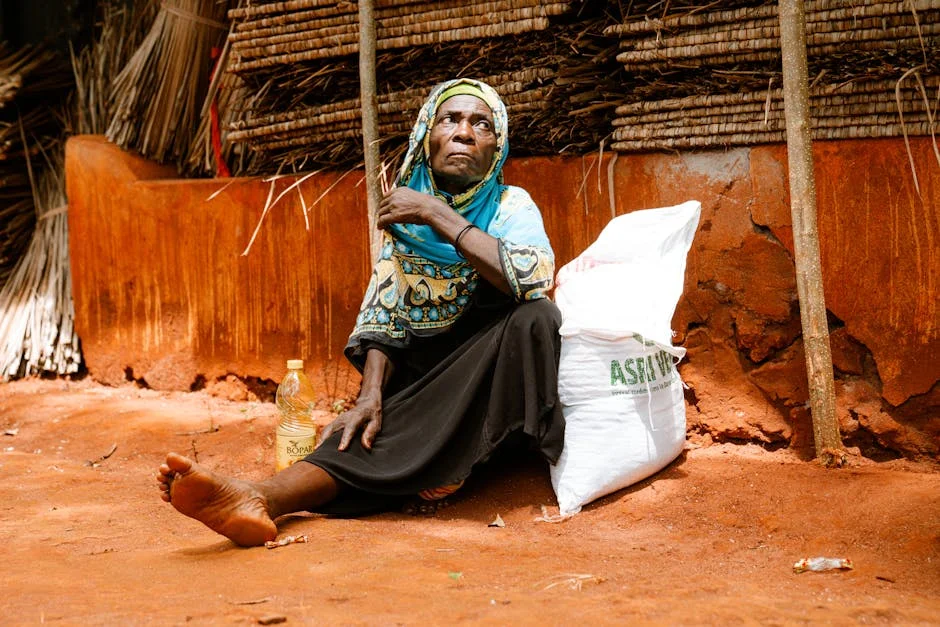
Dr. Amina Yusuf, a medical officer at Kaduna General Hospital, explains that many women only come to the clinic when they are in severe distress. “We see cases where women have been in labor for days, unable to afford transport to a health facility. It’s heartbreaking,” she says. The lack of affordable healthcare options is not just a personal struggle but a systemic failure that impacts the broader community.
Impact on Local Communities
The maternal mortality crisis has far-reaching consequences for families and communities. In many rural areas, the loss of a mother during childbirth can lead to the breakdown of households, with children left without care and economic stability at risk. A 2023 study by the Nigerian Health Association found that 30% of families affected by maternal death reported a decline in income and increased poverty levels.
Community leaders in Kano have begun to voice concerns about the rising toll of the crisis. “When a woman dies in childbirth, it’s not just a loss for her family—it’s a loss for the entire village,” says Alhaji Musa, a local councilor. “We need more support, not just from the government, but from the community as well.”
Government Response and Challenges
The Nigerian government has launched several initiatives to address the issue, including the National Health Insurance Scheme (NHIS), which aims to provide affordable healthcare to low-income families. However, implementation has been slow, and many rural communities remain underserved. According to the World Health Organization, only 15% of Nigerian women have access to the NHIS, leaving the majority without financial protection.
Efforts to expand healthcare access have also been hampered by a lack of infrastructure and trained personnel. In some states, health facilities lack even basic equipment, forcing women to travel long distances for care. “We don’t have the resources to provide the care that women need,” says Dr. Nkechi Okorie, a public health official in Enugu. “Without investment, this crisis will only get worse.”
Community-Led Solutions
Despite the challenges, some communities are taking matters into their own hands. In Oyo State, a group of local women have formed a cooperative to pool resources and cover the costs of prenatal care. “We help each other because we know that no one should die because they can’t afford to live,” says Aisha Bello, one of the cooperative’s founders. Such grassroots efforts highlight the resilience of communities but also underscore the need for broader systemic change.
NGOs like the African Population and Health Research Center (APHRC) are also working to raise awareness and advocate for policy reforms. Their research highlights the urgent need for targeted interventions, including financial support for low-income families and the expansion of healthcare services in rural areas.
Looking Ahead: What Comes Next?
With the upcoming budget session, there is hope that healthcare funding will be prioritized. However, without concrete action, the financial barriers that plague women’s healthcare access are unlikely to change. Advocacy groups are urging the government to increase funding for maternal health programs and to ensure that existing schemes like the NHIS reach more people.
For now, women across Nigeria continue to face a daunting challenge. As the country grapples with economic instability, the need for affordable healthcare has never been more urgent. What happens next will determine whether the maternal mortality crisis continues to claim lives or if real progress is made toward a healthier, more equitable future.